Concrete Engineering Solutions

Why Some Concrete Repairs Fail Within 2 Years and How to Avoid It?

Category: News

Why Some Concrete Repairs Fail Within 2 Years and How to Avoid It

Concrete repairs are expected to last. When they fail within a short time, it is rarely due to bad luck. In most cases, something important was missed during assessment, preparation, or application.

Across many buildings in Sydney, early repair failure is a common issue. You may see the same crack return, patch areas breaking away, or water finding its way back through previously repaired sections.

The problem is not always the repair itself. It is often the process behind it.

Why Early Failure Happens More Often Than Expected

Concrete behaves differently depending on its environment, age, and structural role. A repair that works in one situation may fail in another.

In Sydney, buildings are exposed to moisture, temperature variation, and in some areas, coastal salt. These factors affect how concrete deteriorates and how repairs perform over time.

When repairs are done without understanding these conditions, failure becomes likely.

The Most Common Causes of Repair Failure

1.Treating the Surface Instead of the Cause

One of the most frequent mistakes is repairing what is visible without identifying what caused the damage.

A crack may be sealed, but if the structure is still moving, that crack will return. A patch may be applied, but if corrosion is active underneath, the repair will fail from within.

Proper diagnosis always comes before repair.

2.Poor Surface Preparation

Concrete repairs depend heavily on how well the surface is prepared.

If loose material, dust, or contaminated concrete is not removed properly, the new repair material cannot bond effectively. Over time, the repair begins to separate.

Good preparation is not optional. It is essential.

3.Ignoring Moisture Conditions

Moisture plays a major role in repair performance.

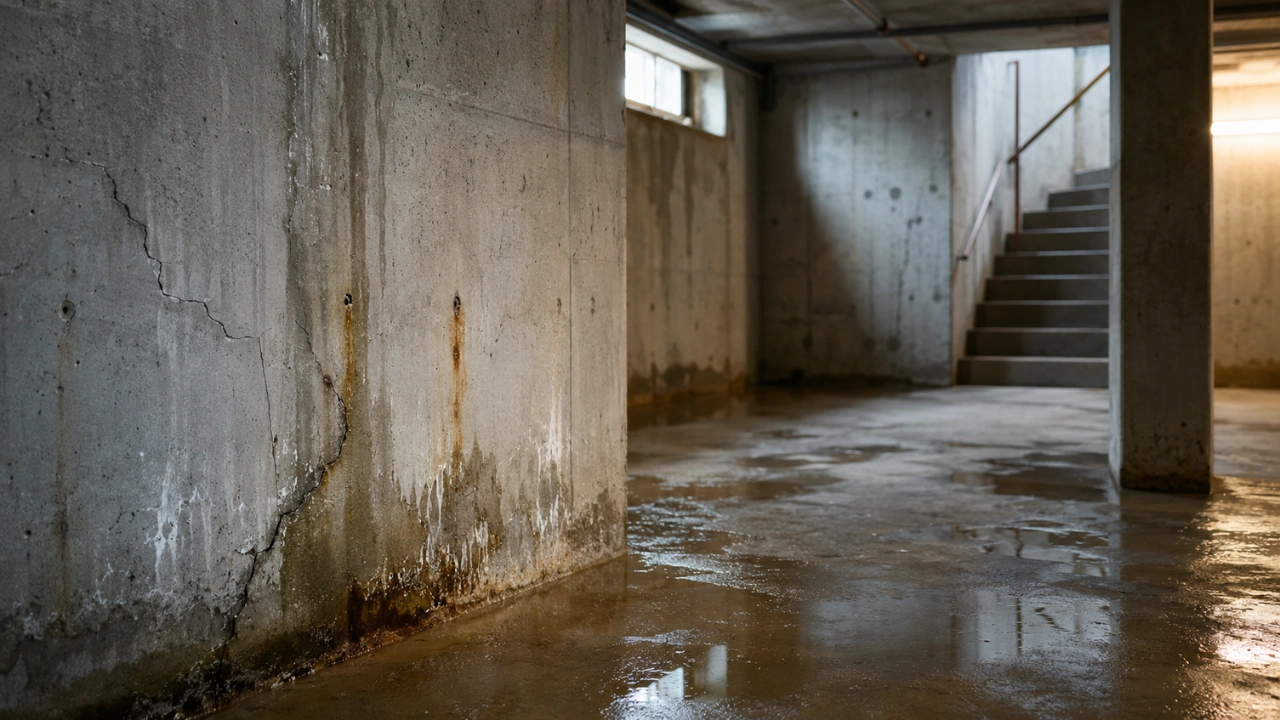
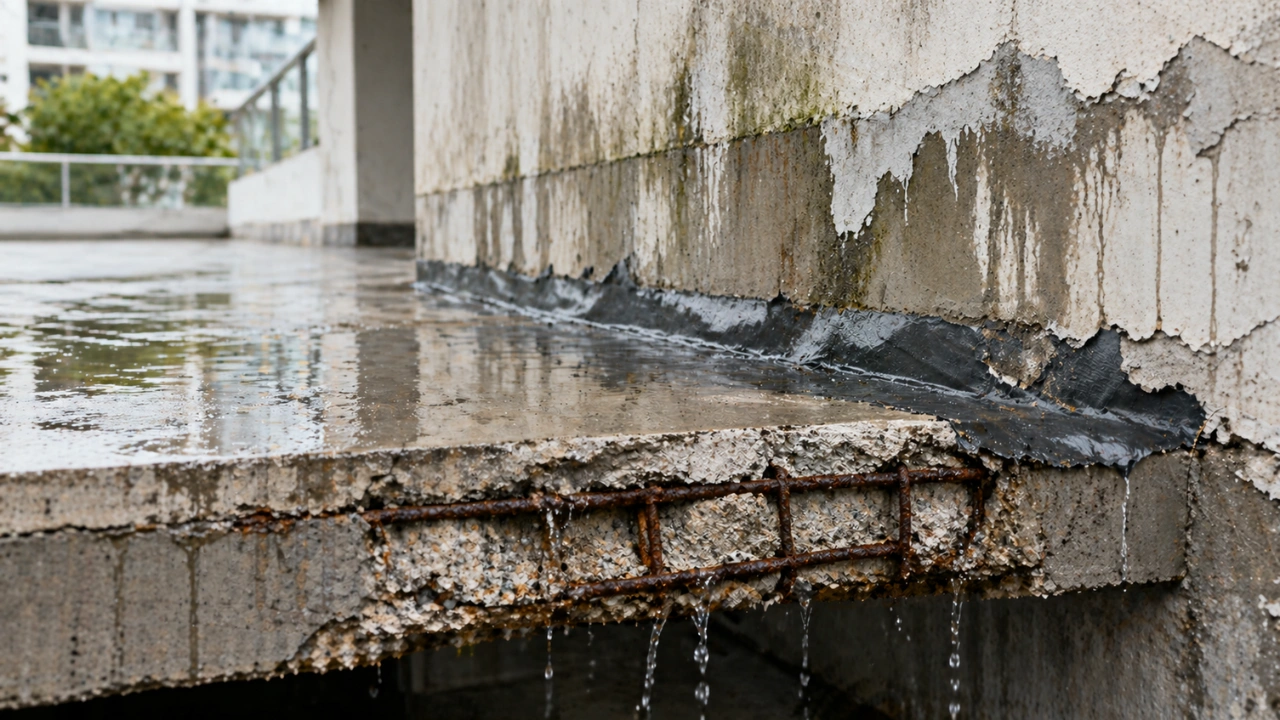
If water is still entering the structure, repairs will not last. This is especially common in basements, balconies, and exposed slabs.

Moisture can weaken bonding and continue to drive deterioration behind the repaired area.

4.Using the Wrong Repair Method

Not all repairs are the same. A structural crack requires a different solution compared to a surface defect.

Using a simple patch where injection is needed, or applying the wrong material for the exposure conditions, leads to early failure.

5.Lack of Structural Understanding

Concrete is part of a structural system. Repairs should consider how loads are transferred and how the element is performing.

Without this understanding, repairs may look correct but fail to restore actual performance.

This is where many Concrete Repair Works fall short.

How Sydney Conditions Affect Repair Durability

Local conditions matter more than most people realise.

In Sydney, several factors influence how repairs behave:

  • High rainfall can lead to ongoing moisture exposure
  • Coastal areas experience chloride attack from salt air
  • Older buildings may have lower concrete cover over reinforcement
  • Temperature changes can cause movement and expansion

These conditions need to be considered before selecting any repair method.

Signs That a Repair May Fail Early

Some warning signs appear even before failure becomes obvious.

You should pay attention if you notice:

  • Cracks reappearing in the same location
  • Edges of repair areas lifting or separating
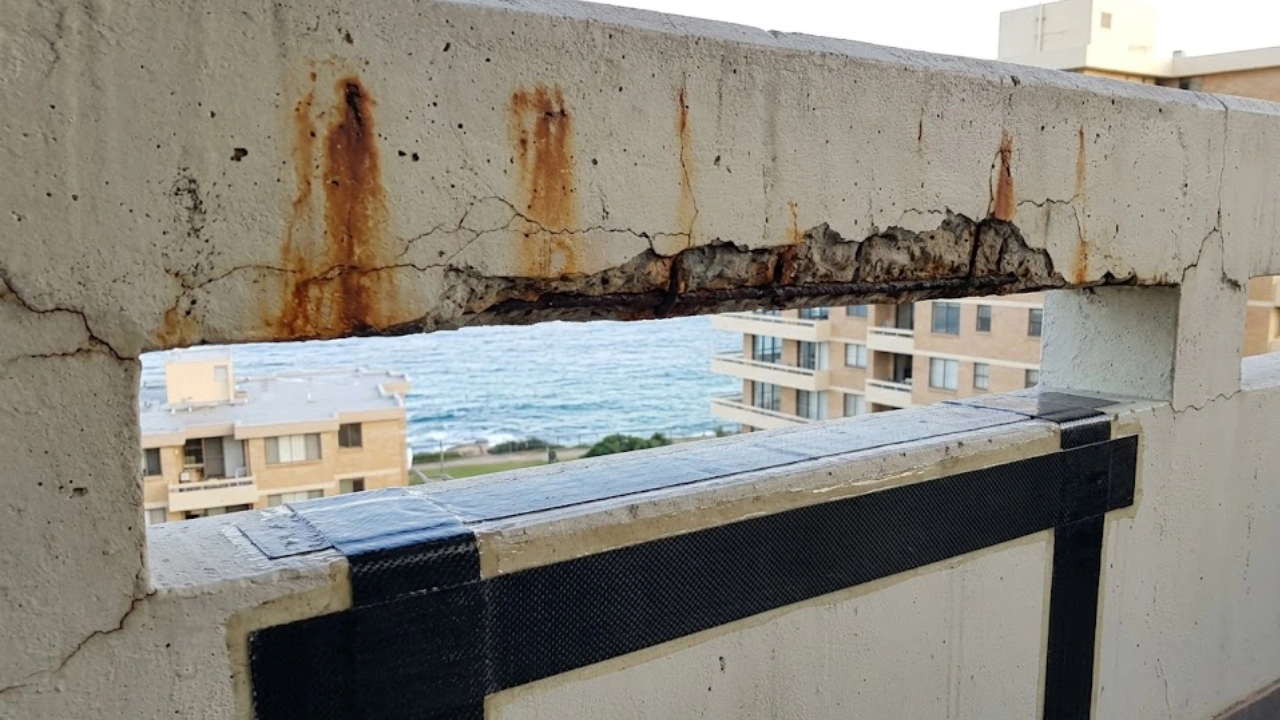
  • Rust staining near repaired zones
  • Damp patches returning after repair
  • Hollow sound when tapping repaired surfaces

These are indicators that the underlying issue has not been resolved.

What Proper Repair Should Involve

A durable repair follows a structured process. Skipping steps often leads to failure.

A typical approach includes:

  • Identifying the root cause of the damage
  • Assessing whether the issue is structural or surface level
  • Removing all weak or contaminated concrete
  • Treating any exposed reinforcement
  • Selecting the correct repair method and material
  • Ensuring proper curing and protection

This level of attention is what separates short term fixes from long term solutions.

Surface Repair vs Structural Repair

Aspect

Surface Repair

Structural Repair

Purpose

Improve appearance

Restore strength

Depth

Shallow

Full depth or through section

Method

Patching or coating

Injection or rebuilding section

Durability

Short to medium term

Long term if done correctly

Risk if ignored

Cosmetic damage

Structural deterioration

Understanding this difference is critical before any repair begins.

PRO TIP

If a crack or defect returns after repair, do not repair it again in the same way.
Repeated repairs usually mean the real cause has not been addressed.

Why Professional Assessment Matters

Before carrying out concrete repair works in Sydney, it is important to understand how the structure is behaving.

An experienced team will look beyond visible damage. They assess load conditions, material performance, and environmental exposure before recommending a solution.

This approach avoids repeated repair cycles and ensures the work lasts.

Avoiding Repeat Repairs

To avoid repairs failing within two years, focus on the following:

  • Always identify the cause before repair
  • Do not ignore moisture or corrosion
  • Use repair methods suited to the defect
  • Ensure proper preparation and application
  • Seek engineering input for structural issues

When these steps are followed, repairs are far more reliable.

When to Act

If you are already seeing signs of repair failure, early action can prevent further damage.

Delaying repair allows deterioration to continue. This increases both cost and complexity.

Professional Concrete Repair in Sydney should always aim to fix the problem once, not repeatedly.

If your concrete repairs are failing or showing signs of deterioration, it is time to take a closer look at the cause.

Concrete Engineering Solutions provides expert assessment and repair services across Sydney for commercial, industrial, residential and strata buildings.

Speak with our team today and get a clear understanding of what is happening in your structure and how to fix it properly.

Frequently Asked Questions

Why do concrete repairs fail so quickly?

Most failures happen because the root cause was not identified. Surface repairs without addressing movement, moisture, or corrosion often fail early.

How long should a concrete repair last?

A properly executed repair can last many years. Short term failure usually indicates poor preparation, incorrect method, or ongoing structural issues.

Is it normal for cracks to come back after repair?

No. If cracks return, it usually means the structure is still moving or the repair method was not suitable.

Can moisture affect concrete repair?

Yes. Moisture is one of the main reasons repairs fail. It must be controlled before and during the repair process.

Do all repairs need engineering assessment?

Not all, but structural issues should always be assessed before repair. This ensures the solution is appropriate and long lasting.

5 Signs Your Building Requires a Structural Engineering Investigation

Category: News

Concrete Engineering Solutions

Structural problems rarely appear without warning. They evolve over time. What separates a controlled repair from a major rectification project is how early those warning signs are recognised and whether the response is based on proper engineering assessment.

A structural engineering investigation is not simply an inspection. It is a systematic evaluation of how a building performs relative to its intended structural capacity. It considers load paths, material condition, durability exposure, settlement behaviour and compliance with current standards.

In our experience across residential, commercial, industrial and strata buildings, the following conditions should never be ignored.

1.Cracking That Reflects Structural Movement

All concrete cracks. The critical question is why.

Shrinkage cracks typically stabilise shortly after construction. Structural cracks behave differently. They tend to follow load paths, radiate from stress points, or reappear after cosmetic repair.

When cracking progresses over time, it often indicates:

  • Redistribution of load
  • Foundation settlement
  • Reinforcement corrosion
  • Increased imposed loads
  • Long-term material fatigue

Without proper evaluation, surface patching only conceals the symptom. A structural investigation determines whether the cracking affects structural continuity or remains superficial.

The distinction is fundamental before any remedial decision is made.

2.Differential Settlement or Slab Movement

Subtle changes in floor level are frequently dismissed. However, misaligned doors, repetitive tile cracking, or visible slab deflection can signal deeper performance issues.

Sydney’s varying soil profiles, including reactive clays and historical uncontrolled fill, can contribute to foundation movement over time. Combined with ageing reinforcement or altered load usage, this may lead to uneven settlement.

A proper building structural investigation in Sydney assesses:

  • Foundation interaction with soil conditions
  • Original design intent
  • Structural capacity of slabs and beams
  • Current load demands

This ensures remediation addresses the cause rather than simply correcting visible unevenness.

3.Persistent Moisture Affecting Structural Elements

Moisture ingress is one of the most common drivers of structural deterioration.

When water repeatedly penetrates basements, podium slabs, or retaining walls, corrosion of reinforcement is likely. Corrosion expansion fractures surrounding concrete can reduce the effective steel cross-section.

In coastal or high rainfall areas of Sydney, chloride exposure can accelerate this process.

What begins as minor rust staining can develop into spalling and capacity reduction if not properly assessed. Investigation allows quantification of deterioration depth before repair methodology is selected.

Treating moisture without assessing structural impact is incomplete remediation.

4.Recurring Repairs Without Lasting Resolution

When the same defect returns after multiple repairs, the underlying structural mechanism has not been resolved.

This is common in strata buildings where patch repairs are undertaken repeatedly without deeper analysis. Cosmetic improvements may temporarily restore appearance but do not correct load redistribution, corrosion progression or foundation instability.

A structured assessment reviews crack patterns, reinforcement condition and structural behaviour over time. It ensures that remedial works are proportionate, targeted and durable.

Engineering judgement prevents cyclical maintenance expenditure.

5.Spalling Concrete and Exposed Reinforcement

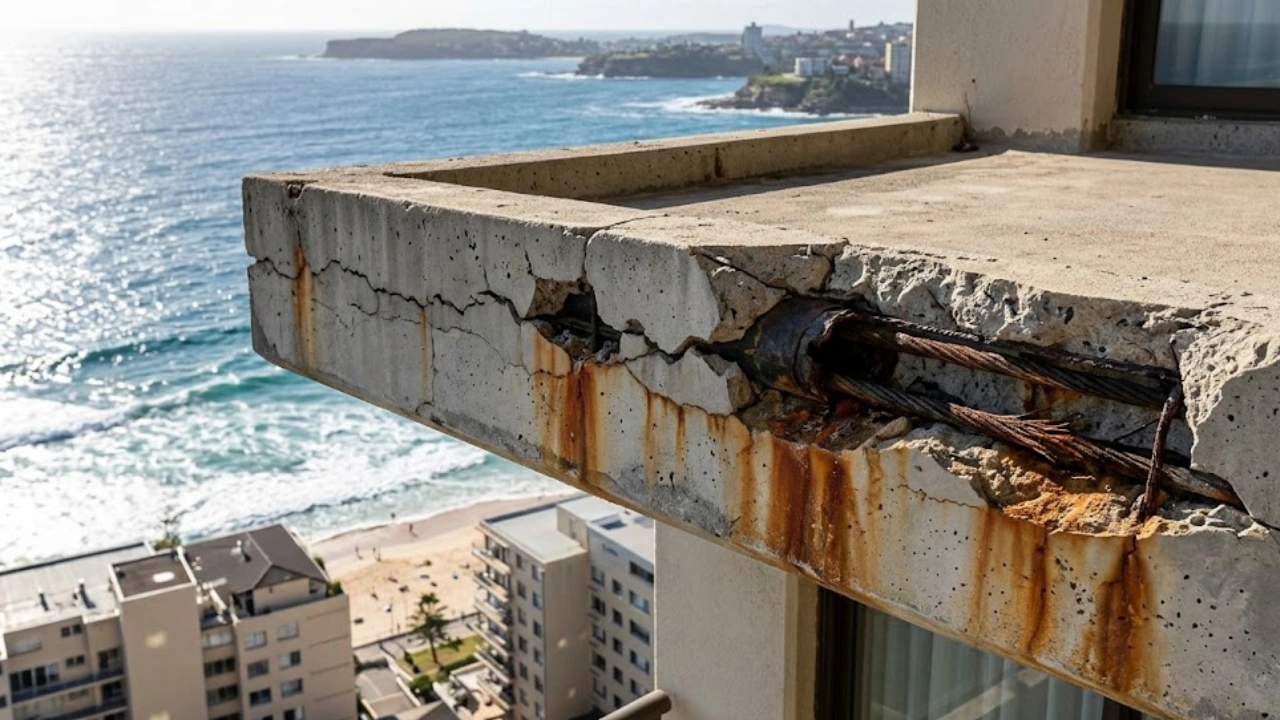
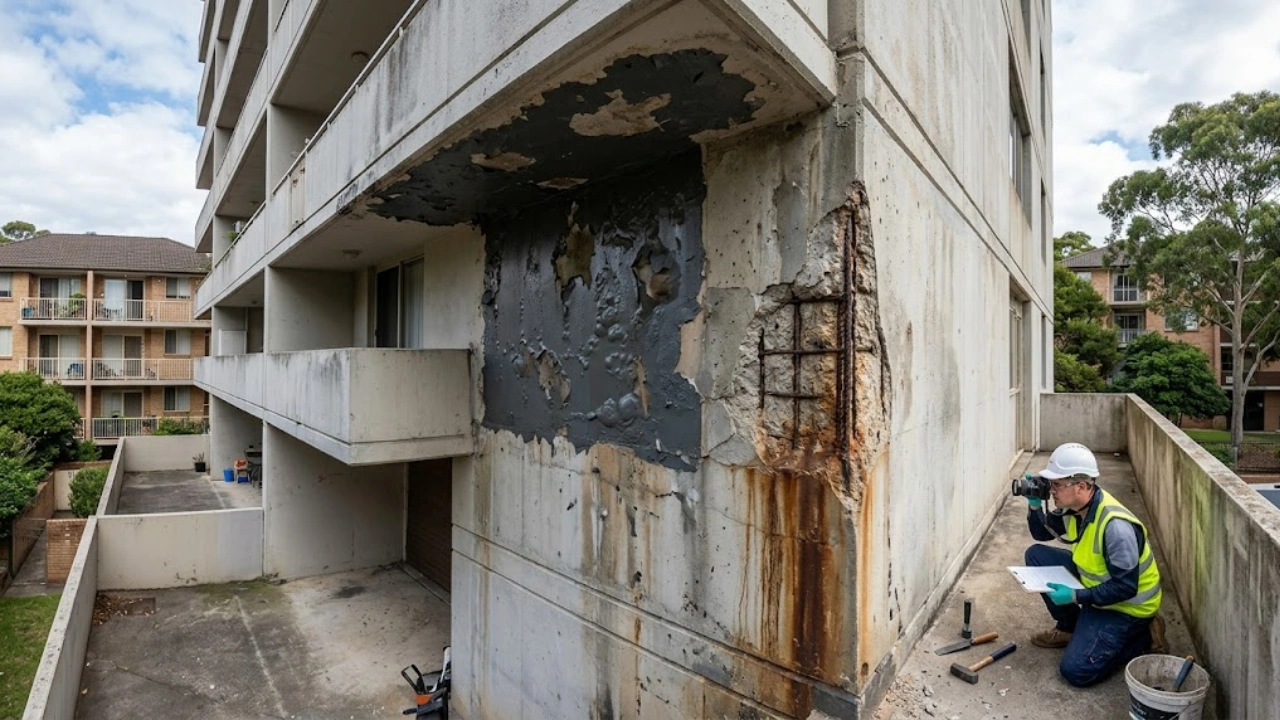
Once reinforcement is visible, the issue has progressed beyond minor deterioration.

Spalling indicates internal pressure, often from corrosion or bond failure. As steel loses cross-sectional area, its structural capacity may decrease. In severe cases, load transfer between concrete and reinforcement becomes compromised.

At this stage, immediate evaluation is necessary to determine:

  • Extent of corrosion
  • Remaining structural capacity
  • Whether strengthening is required
  • Appropriate staged remediation

Delaying intervention increases both risk and cost.

What a Proper Investigation Involves

A true structural assessment goes beyond visual review.

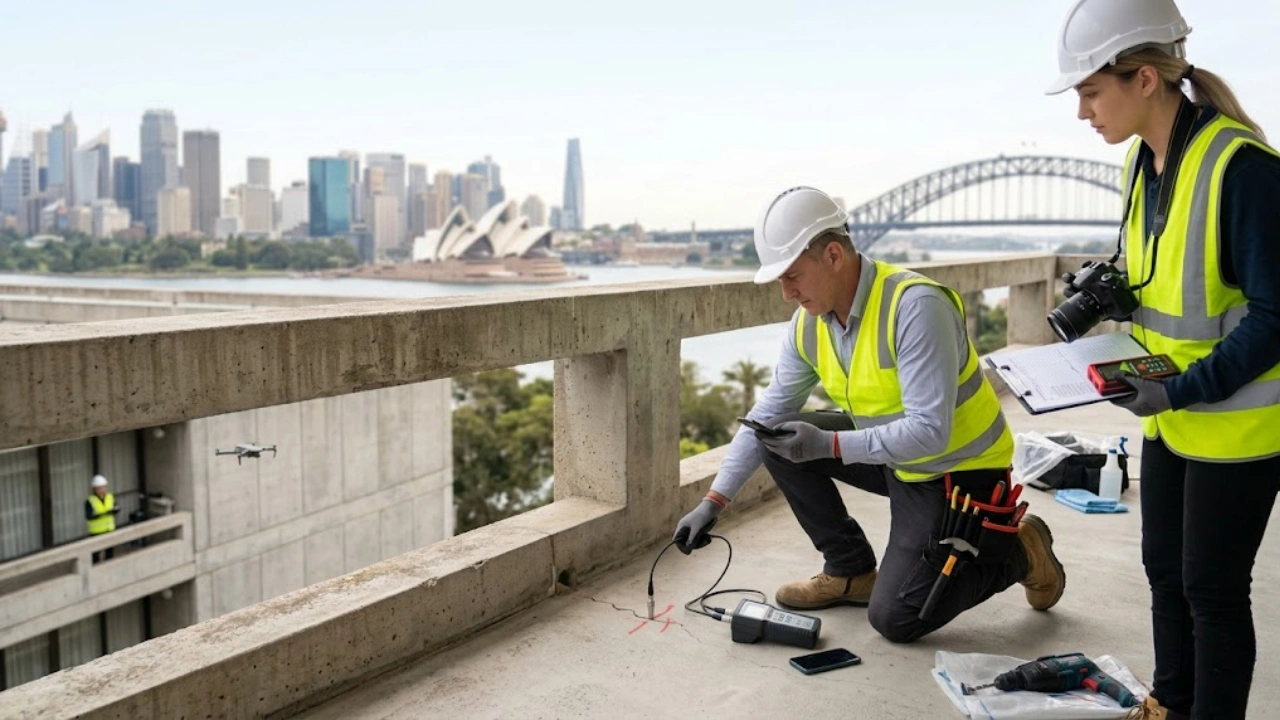
At Concrete Engineering Solutions, investigations may include non-invasive and invasive techniques, such as detailed visual mapping, material hardness testing, core sampling, pull-off testing, and subsurface scanning, where required.

Analysis considers both original design assumptions and current usage conditions. Advanced modelling software is used where necessary to evaluate structural performance against modern standards.

The goal is clarity – not assumption.

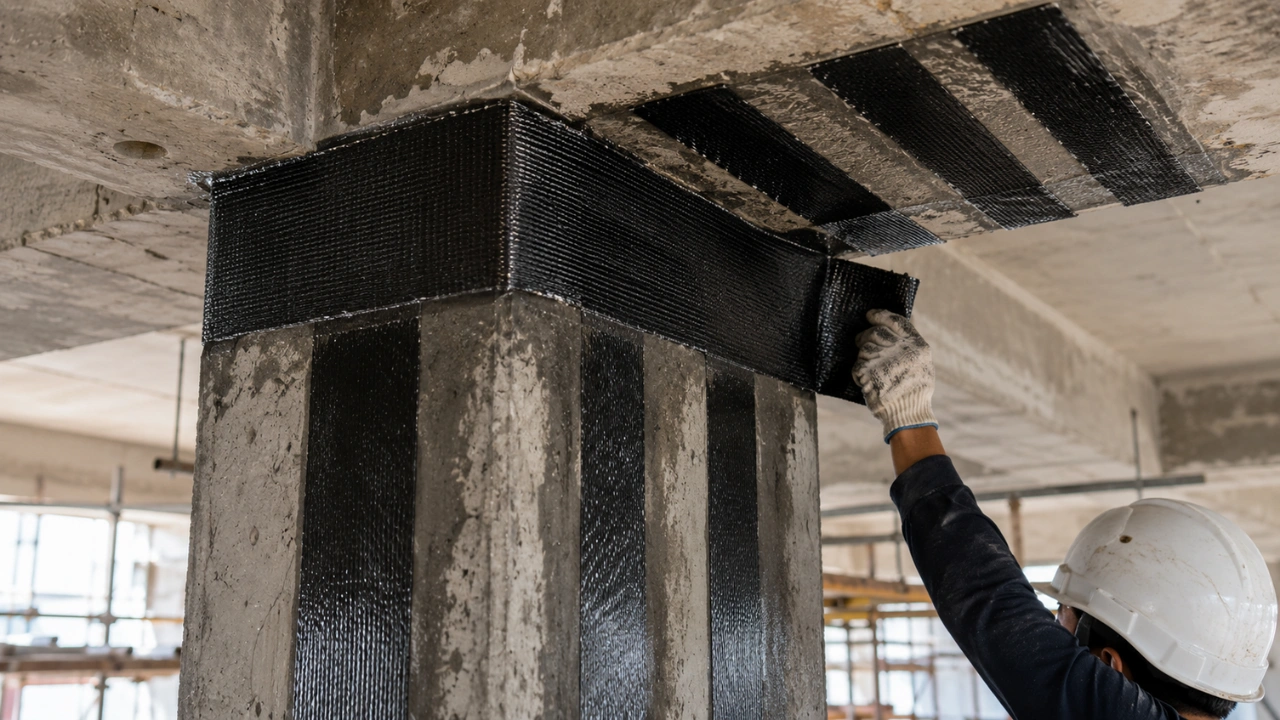
Understanding the root cause allows tailored repair strategies, whether that involves crack injection, strengthening, waterproofing upgrades, retrofitting or staged structural remediation.

Why Investigation Should Precede Repair

Skipping the investigation introduces risk.

Without proper diagnosis, repair may:

  • Address symptoms but not causes
  • Lock in stress conditions
  • Underestimate capacity loss
  • Result in repeat failure
  • Increase long-term expenditure

Conversely, early engineering assessment enables efficient, proportionate and compliant solutions.

In a city with mixed-age building stock and diverse environmental exposure, informed decision-making is essential.

When Advice is Required

If cracking is widening, reinforcement is exposed, water intrusion persists, or structural movement is evident, professional evaluation should not be delayed.

Early understanding protects safety, compliance and long-term asset value.

Concrete Engineering Solutions provides comprehensive structural assessment services across Sydney, delivered by experienced in-house Regulated Design Practitioners.

If your building is showing signs of distress, arrange a professional review before minor defects escalate into significant structural failures.

Contact our team to schedule an initial consultation and obtain clear, engineering-led guidance tailored to your property.

Frequently Asked Questions

What is the difference between a structural inspection and a structural engineering investigation?

A visual inspection identifies visible defects. A structural engineering investigation goes further. It analyses the cause of those defects, evaluates load paths, assesses material condition and determines whether structural capacity has been affected. It may involve testing, modelling and review of original design documentation.

When should a building structural investigation be carried out?

An investigation should be undertaken when there is progressive cracking, visible reinforcement corrosion, slab movement, repeated repair failure, or persistent moisture affecting structural elements. It is also recommended before major renovations or load changes.

Can cracks alone justify an investigation?

Yes, depending on their behaviour and location. Cracks near load-bearing elements, cracks that widen over time, or cracks accompanied by movement or spalling should be assessed. Stable, hairline shrinkage cracks typically do not require structural evaluation.

Is an investigation required before remedial works begin?

In most cases, yes. Repairing without understanding the root cause can lead to recurring defects. An investigation ensures the repair methodology matches the structural condition and complies with relevant standards.

How long does a structural engineering investigation take?

The timeframe depends on the issue’s complexity and the building’s size. Some assessments can be completed within days, while complex cases involving testing and modelling may require additional time. A clear scope is usually established during the initial consultation.

Will an investigation always lead to major repair work?

Not necessarily. In many cases, investigations confirm that defects are minor or stable. The purpose is clarity, either to justify intervention or to provide confidence that monitoring is sufficient.

Do older Sydney buildings require more frequent structural assessments?

Older buildings often face durability challenges due to outdated detailing, thinner concrete cover or long-term environmental exposure. While not all require major intervention, periodic assessment is prudent, particularly where corrosion or settlement is evident.

Structural Issues That Regular Building Maintenance Should Never Ignore

Category: News

building maintenance work in Sydney

Most structural failures don’t happen overnight.

They begin quietly. A small crack. A damp patch. Rust stains near a column. A slab that feels slightly uneven.

During routine inspections, these signs are often dismissed as minor maintenance items. But some issues are early warnings of deeper structural stress.

The purpose of regular building maintenance is not just to keep a property looking presentable. It is to protect its structural integrity over time.

Ignoring the wrong defect can turn manageable repair work into major rectification.

1.Cracks That Change Over Time

Hairline cracks are common in concrete. Many are harmless.

What should never be ignored are cracks that:

  • Continue to widen
  • Reappear after repair
  • Follow structural lines near beams or columns
  • Form step patterns in masonry

Movement is the key factor. If a crack grows, something is shifting.

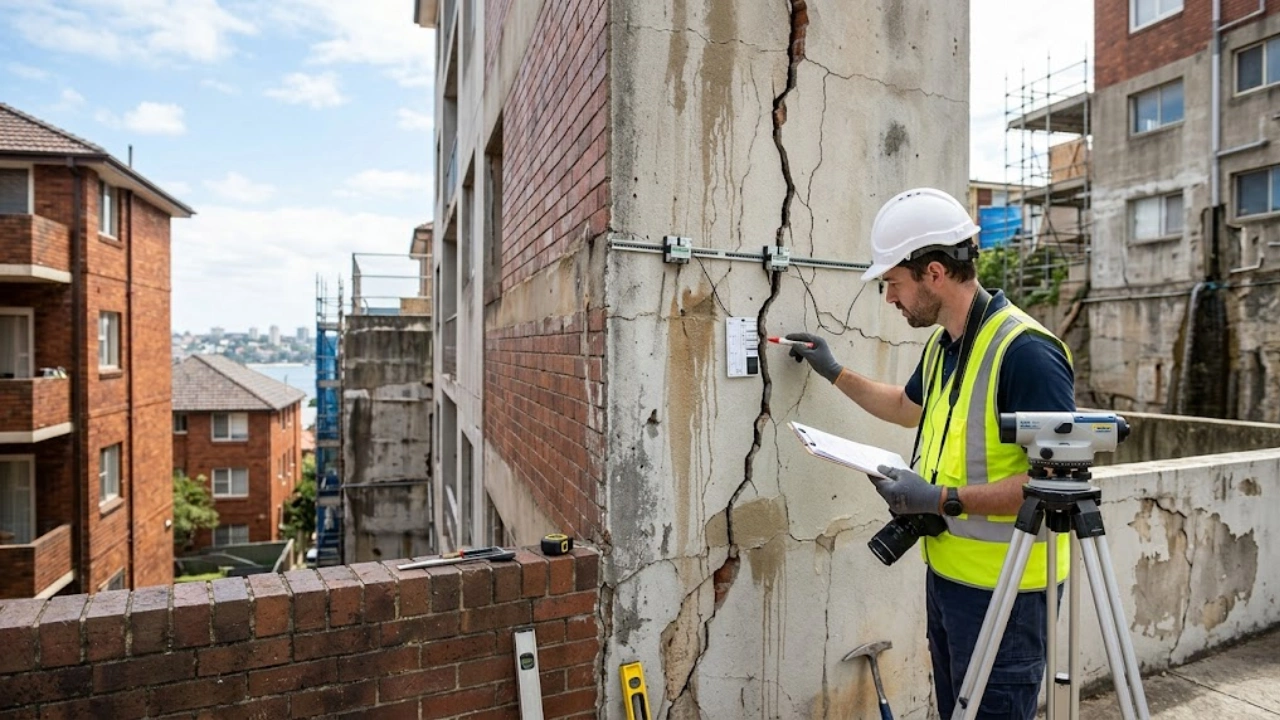
Regular maintenance inspections should include measuring and monitoring cracks, rather than simply noting their presence.

2.Rust Stains and Exposed Reinforcement

Rust staining is more than cosmetic.

When steel reinforcement corrodes, it expands. That expansion forces concrete to crack and break away. This process is progressive.

Once spalling begins, the damage accelerates.

Early detection during maintenance prevents:

  • Loss of structural capacity
  • Expensive large-scale repairs
  • Safety risks from falling concrete

Moisture control and protective repairs are far easier at the early stage.

3.Water Ingress in Basements and Podiums

Water entering structural elements is a serious warning sign.

Basements in Sydney are especially vulnerable due to:

  • Groundwater pressure
  • Heavy rainfall
  • Ageing waterproofing systems

Water reaching reinforcement speeds up corrosion dramatically.

Maintenance teams should treat persistent dampness, leaks, or efflorescence as structural risk indicators, not surface issues.

4.Uneven Floors or Subtle Deflection

Small level changes often go unnoticed at first.

But deflection in slabs or beams can indicate:

  • Overloading
  • Foundation settlement
  • Loss of support
  • Progressive material deterioration

Any noticeable change in floor levels, especially in commercial or industrial settings, should be assessed structurally.

Maintenance records are valuable here. Comparing past and present conditions can reveal trends in movement.

5.Repeated “Patch Repairs” in the Same Area

If the same location needs repair every year, the root cause has not been addressed.

Repeated cosmetic repairs without investigation usually mean:

  • Ongoing moisture exposure
  • Structural movement
  • Corrosion not properly treated

Short-term fixes hide symptoms. They rarely solve them.

Why Maintenance Is More Than Surface Upkeep

Effective building maintenance work in Sydney should always include a structural awareness component.

Maintenance is not just cleaning, painting or patching. It is an opportunity to:

  • Identify early structural deterioration
  • Monitor known defects
  • Prevent escalation
  • Plan staged repairs

In a city like Sydney, where buildings are exposed to coastal conditions, heavy rainfall, and ageing infrastructure, proactive monitoring is critical.

Early detection reduces risk. It also protects asset value.

PRO Tip: Document Everything

One of the simplest but most powerful tools in structural maintenance is documentation.

Photograph cracks. Record measurements. Date inspections.

Trends matter more than single observations.

If something changes, that change tells a story.

When to Escalate Beyond Maintenance

Maintenance teams should escalate to structural assessment when:

  • Cracks widen over time
  • Reinforcement becomes visible
  • Concrete begins breaking away
  • Movement affects doors, windows or structural joints
  • Water ingress persists despite surface repair

Early structural advice is far less disruptive than late-stage emergency repairs.

Conclusion

Structural issues rarely announce themselves loudly.

They begin as small changes that are easy to ignore during routine maintenance.

The difference between controlled repair and major rectification often comes down to how early those signs were recognised.

Regular maintenance should not only maintain appearance; it should protect structural performance.

Ignoring the wrong defect can cost far more than fixing it early.

Frequently Asked Questions

Are small cracks always safe?

Not always. Stable hairline cracks are common, but cracks that change over time should be monitored.

How often should structural elements be inspected?

Commercial and strata properties should include structural review as part of routine maintenance, especially in high-exposure environments.

Is rust staining serious?

Yes. Rust indicates reinforcement corrosion, which can reduce structural capacity if untreated.

Can water ingress affect structural strength?

Absolutely. Persistent moisture accelerates steel corrosion and weakens concrete over time.

When should a structural engineer be consulted?

If movement, widening cracks, or reinforcement exposure is observed, professional assessment is recommended.

When Does a Concrete Crack Require Injection Instead of Surface Sealing?

Category: News

concrete crack repair in Sydney

Cracks in concrete are common. The real question is not whether a crack exists; it’s what that crack is doing.

Many property owners assume that sealing a surface crack is enough. In some cases, it is. In others, it is completely inadequate and can even make the problem worse.

Knowing when an injection is required instead of simple surface sealing comes down to one thing: structural behaviour.

The Difference Between Sealing and Injection

Surface sealing treats appearance and moisture at the top layer.

Injection restores internal integrity.

Sealing is suitable when:

  • The crack is shallow
  • There is no movement
  • The structural capacity is unaffected
  • The purpose is mainly waterproofing

Injection becomes necessary when:

  • The crack passes through the structural depth
  • Load transfer has been compromised
  • Reinforcement may be exposed or affected
  • The crack allows ongoing water ingress
  • The crack continues to widen

Surface sealants do not restore strength. They simply close the visible opening.

Injection, on the other hand, bonds the concrete internally and reinstates continuity.

Signs That Injection is Structurally Required

Not every crack needs aggressive intervention. But there are clear warning signs.

1.The Crack Is Active

If a crack changes width over time, it indicates movement. Sealing an active crack traps stress inside the element.

2.The Crack Runs Deep

If the crack extends through the slab or wall thickness, structural continuity is interrupted. Internal bonding is required.

3.There Is Water Penetration

Water passing through structural cracks accelerates corrosion. Moisture combined with oxygen attacks reinforcement.

4.Reinforcement Is Visible or Rust-Stained

Corrosion expansion is a structural issue. Surface repair will not stop internal steel deterioration.

In these cases, professional concrete crack injection is not optional; it is necessary to restore structural performance.

Why Surface Sealing Often Fails

We regularly see sealed cracks that reopen within months.

Why?

Because the underlying stress or movement was never addressed.

Surface materials sit on top. They do not penetrate through the crack. If the structural section has separated under load, only internal bonding can restore behaviour.

Sealing may temporarily improve appearance, but it does not reconnect the structural section.

How Injection Works in Structural Terms

Injection is not about filling gaps. It is about restoring monolithic behaviour.

When properly designed, the injected material:

  • Bonds to both sides of the crack
  • Transfers load across the section
  • Prevents moisture ingress
  • Stabilises further crack propagation

The selected material depends on the crack type and behaviour.

Epoxy is typically used when structural strength must be restored.
Polyurethane is often used where water control is the primary concern.

The method must match the cause.

Why Diagnosis Comes Before Injection

One of the biggest mistakes in remediation is injecting cracks without understanding why they formed.

Before injection, assessment should consider:

  • Is the movement ongoing?
  • Has the load pattern changed?
  • Is a settlement involved?
  • Is corrosion the primary driver?
  • Are environmental conditions accelerating deterioration?

Without proper evaluation, injection can lock in stress or simply redirect cracking elsewhere.

Professional concrete crack repair in Sydney should always begin with cause identification, not product selection.

When Injection is the Smarter Choice

Injection is generally preferred when:

  • The structure must regain its load capacity
  • The crack is structural, not cosmetic
  • Demolition would be excessive
  • The building is occupied and disruption must be minimised
  • Long-term durability is required

In Sydney’s coastal and high-moisture environments, restoring structural continuity early prevents much larger remediation later.

PRO Tip: Monitor Crack Behaviour Before Acting

If unsure whether a crack is active, measure its width and monitor it over several weeks.

If it changes, do not seal it blindly.

Movement tells you the structure is still adjusting. In those cases, sealing alone will not solve the problem.

Common Mistakes Property Owners Make

  • Assuming all cracks are cosmetic
  • Applying hardware store sealants to structural cracks
  • Ignoring rust staining
  • Delaying repair until spalling occurs
  • Choosing the cheapest short-term solution

Concrete deterioration follows a predictable pattern. Early structural intervention prevents escalation.

Frequently Asked Questions

Can I just seal a structural crack?

No. Surface sealing does not restore load transfer or structural integrity.

Is the injection permanent?

When properly diagnosed and executed, injection can restore long-term performance. Durability depends on proper material selection and preparation.

Is epoxy always better than polyurethane?

No. Epoxy is generally used for structural bonding. Polyurethane is typically used where water ingress control is required. The choice depends on crack behaviour.

Are all basement cracks structural?

Not always. However, cracks allowing water ingress should be assessed properly before treatment.

How quickly should structural cracks be repaired?

As soon as movement or corrosion is identified. Delay increases repair scope.

Summary

Not every crack needs injection. But every crack needs understanding.

Surface sealing works for minor, stable defects. Injection is required when structural continuity has been compromised.

The decision should never be based solely on appearance. It should be based on behaviour, load performance and long-term durability.

When treated correctly and early, structural crack repair is controlled and precise. When ignored, it becomes complex and expensive.

How to Identify When Concrete Repair Works are Structurally Required?

Category: News

concrete repair works

Concrete cracking is normal. Structural failure is not.

Across Sydney, we regularly inspect slabs, balconies, basements and car parks where cracks have been ignored for years. Most began as minor defects. Some remained harmless. Others developed into structural problems that required significant remediation.

The difference between cosmetic cracking and structural distress is not always obvious at first glance. That is why understanding when repair becomes structurally necessary is critical.

Cosmetic Cracks vs Structural Cracks

Not all cracks are equal. Some occur during curing and stabilise quickly. Others develop because the structure is under stress.

A cosmetic crack usually:

  • Fine and shallow
  • Does not widen over time
  • Appears randomly without a pattern
  • Shows no associated movement

A structural crack often:

  • Follows a load path (near beams or supports)
  • Extends through the depth of the element
  • Continues to widen
  • Is accompanied by deflection or settlement
  • Exposes reinforcement

The behaviour of the crack matters more than its appearance.

A Practical Comparison

Below is a simplified way to distinguish between common crack types:

Feature

Likely Cosmetic

Potentially Structural

Width

Hairline and stable

Increasing or wide

Location

Random surface areas

Near supports or load zones

Reinforcement Exposure

None

Steel visible or rust staining

Movement

No change over time

Progressive widening

Associated Defects

None

Spalling, delamination, water ingress

This table is not a replacement for assessment. It is a guide to when further investigation is necessary.

When Structural Repair Becomes Necessary

Structural repair is required when the defect compromises the building’s ability to safely carry loads.

This typically occurs when:

  • Reinforcement corrosion has begun
  • Cracks interrupt structural continuity
  • Settlement has altered the load distribution
  • Water ingress is accelerating the deterioration
  • Spalling has reduced the concrete cover

In these cases, delaying intervention increases the extent of damage.

Over time, corrosion reduces the steel cross-section. Loss of steel means reduced capacity. Reduced capacity means increased stress elsewhere in the structure.

That cycle does not reverse on its own.

This is when professional concrete repair works are essential to restore integrity and prevent progressive failure.

The Importance of Proper Diagnosis

One of the most common mistakes in remediation is treating symptoms instead of causes.

Surface patching may improve appearance. It does not restore structural continuity.

Before repair, the following must be understood:

  • What caused the crack?
  • Is the movement still active?
  • Has loading changed since construction?
  • Is reinforcement compromised?
  • Are environmental factors accelerating deterioration?

Without answers to these questions, repairs often fail prematurely.

In many cases across strata and commercial buildings, poorly diagnosed repairs result in repeat cracking within 12 to 24 months.

Proper assessment ensures repairs are designed, not improvised.

Why Replacement is Not Always Required

Demolition is disruptive. It also carries risk.

In many cases, the structural core remains sound while the cover zone has deteriorated. Concrete repair works in Sydney can reinstate performance without unnecessary removal.

When correctly designed, structural repair can:

  • Restore load transfer
  • Reinstate protective concrete cover
  • Arrest corrosion
  • Extend service life significantly

This approach is especially important in occupied buildings where shutdowns affect tenants and operations.

Sydney-Specific Risk Factors

Concrete in Sydney is exposed to conditions that quietly accelerate deterioration.

Near the coast, salt in the air settles into concrete over time. That salt eventually reaches the steel reinforcement. Once corrosion begins, it expands and cracks the surrounding concrete.

Basements are another common problem area. Many buildings sit below ground level and are subject to constant moisture pressure. If the waterproofing weakens, water slowly seeps in. Over time, that moisture attacks the steel.

Heavy rainfall also plays a role. Sudden storms can expose weak points in balconies, podium slabs and retaining walls.

Then there’s the age factor. Many buildings across Sydney were built decades ago. Design standards were different. Concrete cover was sometimes thinner. Moisture protection was not always as robust as it is today.

All of this suggests that a crack may not be just a surface issue. It could be an early sign of long-term corrosion or durability stress.

That local context matters when deciding whether a crack is cosmetic or something more serious.

PRO Tip: Monitor Before You Assume

If you are unsure whether the crack is structural, mark both ends of the crack and measure its width. Re-check after several weeks.

If the crack grows or changes direction, do not ignore it.

Movement tells a story and that story should be investigated properly.

What Happens If Structural Repair Is Delayed?

Concrete deterioration follows a predictable pattern:

  1. Crack formation
  2. Moisture ingress
  3. Steel corrosion
  4. Expansion and spalling
  5. Section loss
  6. Reduced capacity

Each stage increases repair complexity.

Early intervention is controlled and precise. Late intervention is invasive and expensive.

Structural integrity should not be deferred.

Why Experience Matters

Structural repair is not about applying products. It is about understanding behaviour.

An experienced engineering-led approach considers:

  • Load paths
  • Material compatibility
  • Environmental exposure
  • Compliance requirements
  • Long-term durability

This level of evaluation ensures that repairs restore performance rather than simply improve appearance.

At concrete repair works, structural assessment guides every repair methodology. That approach protects both safety and investment.

When Do You Need Professional Advice

You should seek assessment when:

  • Cracks appear near columns or beams
  • Rust staining is visible
  • Concrete is breaking away from steel
  • Water enters structural elements
  • Cracking reappears after the previous repair

Early advice prevents major intervention later.

Frequently Asked Questions

Are hairline cracks always safe?

Not always. Many are harmless, but their location and behaviour must be considered.

How serious is exposed reinforcement?

Very serious. Once steel is exposed, corrosion accelerates and structural capacity may be reduced.

Can structural cracks be repaired permanently?

Yes, when properly diagnosed and repaired using engineered methods.

Is it better to repair or replace concrete?

Repair is often more efficient when the structural core is intact. Replacement is required only when capacity has been significantly compromised.

How often should buildings be inspected?

Commercial and strata buildings should undergo regular structural condition assessments, particularly in coastal or high-moisture environments.

Conclusion

Concrete cracks should never be dismissed without understanding their cause. Some are minor. Others are early warning signs of structural stress.

Identifying when repair becomes structurally necessary requires experience, technical understanding and proper evaluation.

When addressed early and correctly, structural repair restores performance and extends asset life without unnecessary demolition.

If you are unsure whether cracking in your building is cosmetic or structural, seek professional assessment before the problem progresses.

Why Structural Engineering Investigations Prevent Costly Concrete Failures?

Category: News

Why Structural Engineering Investigations Prevent Costly Concrete Failures

Concrete failures rarely happen without warning. Cracking, movement, water ingress or unexpected deterioration are usually symptoms of underlying issues rather than isolated defects. The problem is not that these signs appear; it’s that they are often misunderstood or addressed too late.

A structural engineering investigation is intended to answer the most important questions before remediation begins: why the issue occurred, whether it is ongoing, and what technical outcome is required to restore performance. Without this step, repairs risk being misdirected, temporary or unnecessarily expensive.


The Purpose of a Structural Engineering Investigation

The purpose of a structural engineering investigation is not to catalogue defects. It is to identify causes, assess implications and guide decisions that affect safety, durability and cost.

An investigation typically aims to:

  • Determine whether observed damage is structural or superficial
  • Understand load paths and how they have changed over time
  • Assess whether deterioration is progressive or stabilised
  • Identify contributing factors such as moisture, movement or construction detail
  • Define repair objectives aligned with long-term performance

In practical terms, it provides the evidence base for selecting the right remediation strategy, rather than the quickest or most convenient one.


When Investigations are Required: Signs and Triggers

Not every surface defect requires a full investigation. However, certain signs and triggers should prompt an engineering assessment before any repair is specified.

Common Triggers

  • Cracks that are wide, stepped, or increasing over time
  • Recurrent cracking after previous repairs
  • Differential movement between adjoining elements
  • Water ingress associated with cracking or joints
  • Corrosion staining or concrete spalling
  • Changes in building use that increase loading

In Sydney, investigations are particularly important for older assets where original documentation may be limited, and for post-tensioned structures where drilling or repairs can carry a higher risk.


Why Skipping Investigation is a High-Risk Decision

When remediation proceeds without understanding the cause, the outcome is often predictable: the problem returns.

Skipping the investigation can lead to:

  • Repairs that address symptoms but not causes
  • Locking in stresses that create new cracking
  • Incompatible repair materials or methods
  • Escalating costs as multiple repair cycles are required

For example, sealing a crack caused by ongoing movement may temporarily improve appearance, but it does nothing to restore structural continuity. The result is often further cracking adjacent to the repair.

From a risk perspective, the most expensive failures are rarely sudden; they are the cumulative result of incorrect early decisions.


How Investigations Guide Correct Repair Methods

A key value of investigation is that it narrows the solution set. Rather than asking “what repair can we apply?”, the question becomes “what outcome is required to restore performance?”

Matching Repairs to Causes

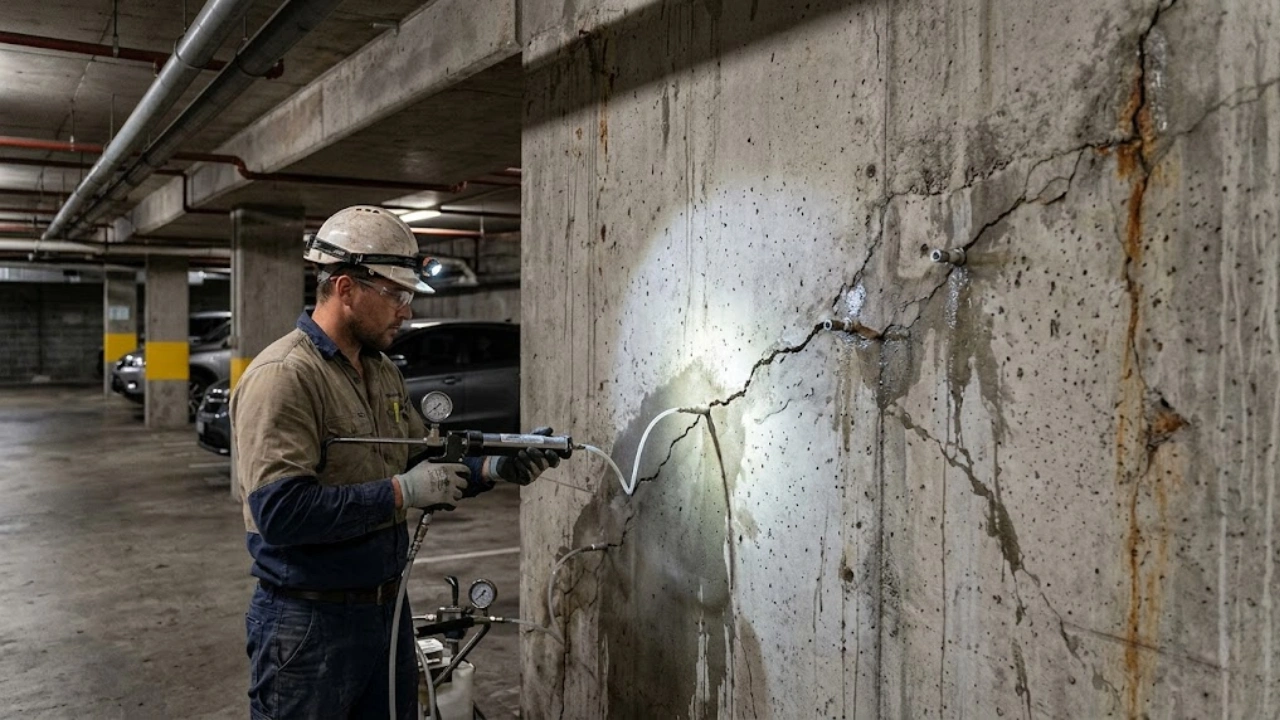
  • If cracking has compromised continuity, concrete crack injection may be required to re-establish load transfer.
  • If deterioration is limited to the surface zone, resurfacing may be appropriate once underlying issues are addressed.
  • If movement is ongoing, repairs may need to accommodate or control that movement rather than restrain it.

This cause-and-effect approach prevents over-repair in some cases and under-repair in others.


Avoiding Over-Repair and Unnecessary Replacement

One of the most overlooked benefits of investigation is cost control through precision. Without evidence, decisions tend to be conservative, often defaulting to removal and replacement.

However, full replacement is disruptive, costly and not always technically justified. In many Sydney assets, the structure remains sound while surface performance has declined. In such cases, targeted repair strategies can be adopted confidently.

This is where solutions like concrete resurfacing in Sydney can be specified appropriately, after confirming that the underlying element is structurally adequate and that resurfacing will deliver durable results.


The Role of Context in Sydney’s Built Environment

Sydney’s construction context adds complexity to remediation decisions:

  • Coastal exposure accelerates moisture-related deterioration
  • High-rise and podium structures rely on post-tensioned systems
  • Mixed-age building stock includes legacy detailing
  • Many sites remain operational during remediation

Investigations account for these realities. They ensure repairs are compatible with the asset’s environment, usage, and constraints, not just the visible defect.


FAQs

When should an engineering investigation be carried out?
When defects suggest structural involvement, are recurring, or may affect safety or durability.

Can repairs proceed based on visual assessment alone?
Visual assessment identifies symptoms, not causes. Investigation provides the basis for effective repair.

Does investigation slow projects down?
In most cases, it prevents delays by avoiding failed repairs and rework.

Is the investigation only for major defects?
No. Early investigation often reduces the scope and cost of remediation.


Investigations as a Risk-Management Tool

Beyond technical outcomes, investigations play a critical role in risk management. They provide:

  • Defensible decision-making
  • Alignment with duty-of-care obligations
  • Clear justification for repair scope
  • Reduced likelihood of dispute or escalation

For asset owners and project managers, this clarity is as valuable as the technical findings themselves.


Making Informed Remediation Decisions

Effective remediation is not about applying the strongest repair; it is about applying the right one. Structural engineering investigations ensure that repair methods align with:

  • The nature of the defect
  • The behaviour of the structure
  • The intended future use of the asset

This alignment is what prevents short-term fixes from becoming long-term liabilities.


Summary

Concrete failures are rarely sudden or isolated. They develop over time, often signalling their presence well before serious consequences arise. The difference between a controlled repair and a costly failure often comes down to one decision: whether the problem was properly understood before action was taken.

Structural engineering investigations provide that understanding. They turn uncertainty into evidence and guide repairs that restore performance, manage risk and protect value.

In Sydney’s complex built environment, that clarity is not optional; it is essential.

Not All Concrete Cracks are Cosmetic: When Injection is Structurally Required

Category: News

concrete resurfacing in Sydney

Concrete cracks are common across Sydney’s buildings and infrastructure. Walk through any car park, basement or industrial floor, and you will see them, some fine and superficial, others wider and more concerning. The challenge is that cracks that look harmless on the surface can sometimes indicate deeper structural issues.

Assuming all cracks are cosmetic is one of the most frequent and costly mistakes made during maintenance and remediation works. Understanding which cracks matter, when intervention is required, and why proper diagnosis comes first is essential for long-term performance and safety.


Understanding the Different Types of Concrete Cracks

Not all cracks behave the same way, and not all require the same response. Broadly, cracks fall into two categories: non-structural and structural.

Non-Structural Cracks

Non-structural cracks typically occur due to:

  • Plastic shrinkage during curing
  • Minor thermal movement
  • Surface drying or finishing issues

These cracks are usually fine, shallow and stable. While they may affect appearance or surface durability, they do not significantly compromise load-bearing capacity.

Structural Cracks

Structural cracks are different. They often indicate:

  • Overloading or changes in load paths
  • Differential settlement or movement
  • Loss of continuity in the concrete section
  • Reinforcement stress or corrosion-related movement

These cracks may be wider, extend through the entire depth of the element, or exhibit ongoing movement. In these cases, the crack is a symptom, not the problem itself.


Why Visual Assessment Alone is Not Enough

A common misconception is that crack width alone determines severity. In reality, crack behaviour, location and cause are far more important.

For example:

  • A narrow crack that runs through a load-bearing zone may be more serious than a wider surface crack in a non-critical area.
  • A crack that continues to open over time suggests movement that must be addressed, not simply sealed.

This is why a structural engineering investigation is often required before deciding on a repair approach. Correct diagnosis ensures the repair restores performance rather than hiding symptoms.


When Crack Injection is Structurally Required

There are situations where crack injection is not optional; it is necessary to restore structural integrity.

Concrete crack injection is typically required when:

  • Cracks compromise load transfer across an element
  • Structural continuity has been lost
  • Water ingress through cracks is accelerating deterioration
  • Cracks are active or have resulted from structural movement

Injection restores continuity within the concrete, allowing the element to behave as designed under load. This is fundamentally different from surface sealing, which addresses only appearance or surface moisture.


The Risks of Ignoring Structural Cracks

Leaving structural cracks untreated or treating them incorrectly can lead to progressive deterioration. Common consequences include:

  • Reduced load capacity, increasing the risk of further cracking or failure
  • Accelerated reinforcement corrosion due to moisture ingress
  • Propagation of cracking, making future repairs more complex
  • Increased remediation costs as damage spreads

In Sydney’s coastal and urban environments, moisture exposure and chloride presence can significantly accelerate these issues once cracks are present.


Why Diagnosis Must Come Before Injection

Crack injection is not a “one-size-fits-all” solution. Injecting a crack without understanding its cause can result in:

  • Re-cracking adjacent to the repair
  • Locked-in stresses that cause new defects
  • Failure of the injected repair under service loads

A proper investigation considers:

  • Crack origin and load history
  • Whether movement is ongoing or stabilised
  • Structural role of the affected element
  • Interaction with reinforcement and other defects

Only after these factors are understood can injection be specified with confidence.


Crack Injection and Broader Remedial Strategies

In many cases, crack injection forms part of a broader repair strategy rather than a standalone fix.

For example:

  • Injection may restore structural continuity, followed by concrete resurfacing in Sydney to reinstate surface durability and wear resistance.
  • Injection may be combined with load management measures or environmental protection to prevent recurrence.

Sequencing matters. Addressing the structure first ensures subsequent surface treatments perform as intended.


Sydney-Specific Considerations

Sydney’s building stock presents unique challenges that influence crack behaviour and repair decisions:

  • Widespread use of post-tensioned slabs
  • Mixed-age construction with variable detailing
  • High exposure to moisture in basements and coastal zones
  • Ongoing changes in building use and loading

These factors mean cracks must be assessed in context, not judged in isolation.

FAQs

Are all concrete cracks a problem?
No. Some are cosmetic, but others indicate structural issues that require engineering assessment.

Can cracks be ignored if there is no movement?
Not always. Even dormant cracks can allow moisture ingress and lead to long-term deterioration.

Is crack injection a permanent solution?
When correctly diagnosed and applied, injection can restore structural performance and provide long-term results.

Can surface repairs replace injection?
Surface repairs do not restore structural continuity and should not replace injection where structural cracks are present.


Making the Right Call

The key takeaway is simple: not all cracks are cosmetic, and not all cracks should be treated the same way.

Correct decision-making relies on:

  • Understanding crack behaviour
  • Identifying structural implications
  • Selecting repair methods based on cause, not appearance

Injection is a powerful and effective tool, but only when used for the right reasons and in the right context.


Conclusion

Concrete cracks are easy to underestimate. They are also easy to mis-treat. Across Sydney’s commercial and industrial assets, long-term performance depends on recognising when a crack is more than a surface issue.

Structural crack injection, supported by proper investigation and sequencing, restores integrity rather than disguising damage. In a built environment where safety, durability and accountability matter, that distinction is critical.

When Concrete Resurfacing is Smarter Than Replacement

Category: News

When Concrete Resurfacing is Smarter Than Replacement

Concrete deterioration is a common challenge across Sydney’s commercial, industrial and civil assets. Cracked, worn or spalled concrete surfaces are often assumed to require full demolition and replacement. In reality, that approach is not always necessary or technically justified.

When assessed correctly, concrete resurfacing can be a smarter, more efficient solution that restores performance, extends service life and avoids unnecessary cost and disruption.

The key is understanding when resurfacing is appropriate, and when replacement is unavoidable.


Why Concrete Surfaces Deteriorate Over Time

Concrete surface damage rarely occurs without a cause. In Sydney’s built environment, common contributors include:

  • Environmental exposure (moisture ingress, carbonation, chlorides)
  • Mechanical wear from traffic or equipment
  • Construction defects such as inadequate cover or poor compaction
  • Movement or settlement causing surface cracking
  • Ageing of older structures built to earlier standards

Surface symptoms may appear cosmetic at first, but they can also be early indicators of deeper structural or durability issues.


Replacement is Not Always the Best Engineering Solution

Full concrete replacement is disruptive, expensive and often unnecessary. Demolition introduces risks such as:

  • Extended downtime for occupied sites
  • Noise, dust and access limitations
  • Increased waste and disposal requirements
  • Potential disturbance of embedded services or reinforcement

From an engineering perspective, replacement should only be considered when the structural integrity of the concrete element has been compromised beyond repair.

In many cases, the damage is limited to the surface zone, making resurfacing a viable and responsible alternative.

When Concrete Resurfacing is the Smarter Option

Concrete resurfacing is most effective when the underlying structure remains sound and capable of carrying design loads.

Typical situations where resurfacing is appropriate include:

  • Surface cracking without structural distress
  • Localised spalling or delamination
  • Wear to industrial floors or car parks
  • Surface deterioration due to environmental exposure
  • Aesthetic degradation affecting usability or safety

In these cases, resurfacing restores surface performance while retaining the existing structural element.


The Importance of Engineering Assessment First

Before any resurfacing is specified, it is critical to understand why the surface has failed.

A structural engineering investigation helps determine whether deterioration is superficial or symptomatic of a deeper issue. This assessment may consider:

  • Crack type, orientation and movement
  • Evidence of corrosion or moisture ingress
  • Load history and usage changes
  • Slab thickness, reinforcement layout and cover
  • Existing repairs or alterations

Without this step, resurfacing may only mask the problem, leading to premature failure and higher long-term costs.


Addressing Cracks Before Resurfacing

Cracks are one of the most common surface defects encountered on Sydney sites. However, not all cracks are equal.

Before resurfacing, cracks must be properly assessed and treated. Where cracks indicate movement or loss of structural continuity, concrete crack injection may be required to restore integrity and prevent recurrence.

Resurfacing without addressing underlying cracks can result in:

  • Reflective cracking through the new surface
  • Loss of bond or delamination
  • Continued moisture ingress
  • Reduced service life of the repair

Proper crack treatment ensures resurfacing delivers durable outcomes, not temporary improvements.


Performance Benefits of Concrete Resurfacing

When correctly designed and executed, resurfacing delivers several practical advantages:

  • Extends the service life of existing concrete
  • Improves surface durability and abrasion resistance
  • Restores slip resistance and safety
  • Improves aesthetics and usability
  • Reduces environmental impact compared to replacement

For asset owners and facility managers, resurfacing often aligns better with lifecycle cost management and sustainability objectives.


Sydney-Specific Considerations

Sydney’s construction and asset environment presents unique challenges that influence repair decisions:

  • Coastal exposure and chloride environments
  • High usage of post-tensioned slabs
  • Older building stock with limited documentation
  • Ongoing occupation of commercial facilities

In these contexts, non-invasive solutions such as resurfacing are often preferred, provided structural performance is not compromised.

This is why concrete resurfacing in Sydney is increasingly specified as part of broader asset maintenance and remediation strategies.


When Replacement is the Correct Decision

Despite its advantages, resurfacing is not suitable in all situations. Replacement is typically required when:

  • Structural capacity has been significantly reduced
  • Reinforcement corrosion is advanced and widespread
  • Ongoing movement or settlement cannot be stabilised
  • Fire or impact damage has compromised the concrete core
  • The element no longer meets functional or compliance requirements

In these cases, resurfacing would be a short-term fix that fails to address the root cause.


Answering Common Questions

Is concrete resurfacing just a cosmetic fix?
No. When correctly assessed and specified, resurfacing restores surface performance and durability, not just appearance.

Can resurfacing be used on structural slabs?
Yes, provided the slab is structurally sound and any underlying issues are addressed first.

How long does resurfacing last?
Service life depends on preparation, materials and exposure conditions, but properly executed resurfacing can last many years.

Is resurfacing cheaper than replacement?
In most cases, yes – particularly when downtime, disposal and programme impacts are considered.


Making the Right Decision

The decision between resurfacing and replacement should never be based solely on cost. It should be informed by:

  • Structural condition
  • Cause of deterioration
  • Intended future use
  • Compliance requirements
  • Whole-of-life performance

When supported by proper investigation and repair sequencing, resurfacing is often the smarter engineering solution.

Summary

Concrete resurfacing is not a shortcut; it is a legitimate, technically sound repair method when used in the right circumstances. Across Sydney’s commercial and industrial landscape, it offers a balanced approach that restores performance without unnecessary disruption.

The key is correct diagnosis, appropriate preparation and engineering oversight. When those elements align, resurfacing delivers durable, cost-effective and responsible outcomes.

What Can Go Wrong If You Skip Concrete Scanning Before Drilling?

Category: News

Concrete Scanning in Sydney

Concrete drilling is a routine activity across construction, remediation and asset maintenance projects in Sydney. Because it is common, it is often underestimated. Skipping concrete scanning before drilling remains one of the most frequent and preventable causes of safety incidents, structural damage and costly project delays across commercial and civil works.

In modern Australian construction, drilling into concrete without knowing what lies beneath is no longer a calculated risk; it is a failure in planning.

Why Concrete is Rarely “Empty”

Concrete slabs, walls and structural elements almost always contain embedded components that are not visible from the surface. These may include:

  • Post-tension or pre-tension cables
  • Reinforcing steel (reo)
  • Electrical conduits and live services
  • Water, gas or fire services
  • Structural beams, thickenings or load zones

On older sites across Sydney, documentation is often incomplete, inaccurate or missing altogether. Even on new builds, last-minute service changes can differ from drawings. This is why relying solely on plans is not sufficient.


The Most Common Failures When Scanning Is Skipped

  1. Post-Tension Cable Strikes

Post-tension cables are stressed under significant force. Striking a live tendon can cause:

  • Sudden cable release
  • Violent concrete spalling
  • Serious injury to workers
  • Permanent structural damage

In Sydney, post-tension systems are widely used in car parks, commercial floors and residential towers. A single strike can halt a project instantly and require extensive engineering assessment and remediation.

  1. Damage to Live Electrical Services

Electrical conduits are often embedded within slabs and walls. Drilling without prior scanning can result in:

  • Electrocution risk
  • Fire hazards
  • Shutdown of essential building services
  • Emergency repairs and compliance breaches

From commercial offices to hospitals and data centres, service continuity is critical. Damage to live electrical infrastructure can have consequences well beyond the work zone.

  1. Water, Gas and Fire Service Breaches

Water, gas and fire services are commonly installed within concrete elements. Accidental damage can lead to:

  • Flooding and water damage
  • Gas leaks and evacuation
  • Fire system impairment
  • Insurance and liability exposure

These incidents are particularly disruptive on operational sites, where downtime translates directly into financial loss.

  1. Compromising Structural Reinforcement

Reinforcing steel is essential to the load-bearing performance of concrete. Drilling through reo without understanding spacing, depth and load paths can:

  • Reduce structural capacity
  • Create stress concentrations
  • Lead to cracking or long-term deterioration
  • Trigger the need for structural rectification

This is especially critical when installing anchors, fixings or penetrations in load-sensitive zones.

  1. Injury, Equipment Damage and Site Shutdowns

Beyond structural consequences, unplanned strikes frequently result in:

  • Damaged drill bits and coring equipment
  • Lost productivity
  • Site shutdowns for investigation
  • SafeWork and compliance scrutiny

In Sydney’s regulated construction environment, even a minor incident can escalate quickly.

The Financial and Programme Impact

Skipping scanning may appear to save time at the outset, but the downstream costs are significant:

  • Emergency repairs
  • Specialist remediation works
  • Engineering investigations
  • Delays to critical path activities
  • Contractual disputes and variations

In many cases, the cost of rectifying a single strike far exceeds the cost of professional scanning undertaken beforehand.

Compliance and Liability in the Australian Context

Australian Standards, WHS obligations and duty-of-care requirements place responsibility on contractors and project managers to identify and manage foreseeable risks.

Drilling blind into concrete where scanning is readily available may be considered a failure to implement reasonable risk controls. This can expose parties to:

  • Regulatory action
  • Insurance complications
  • Legal liability
  • Reputational damage

Across Sydney, scanning is increasingly viewed not as an optional precaution, but as a baseline compliance measure.

Why Professional Concrete Scanning Changes the Outcome

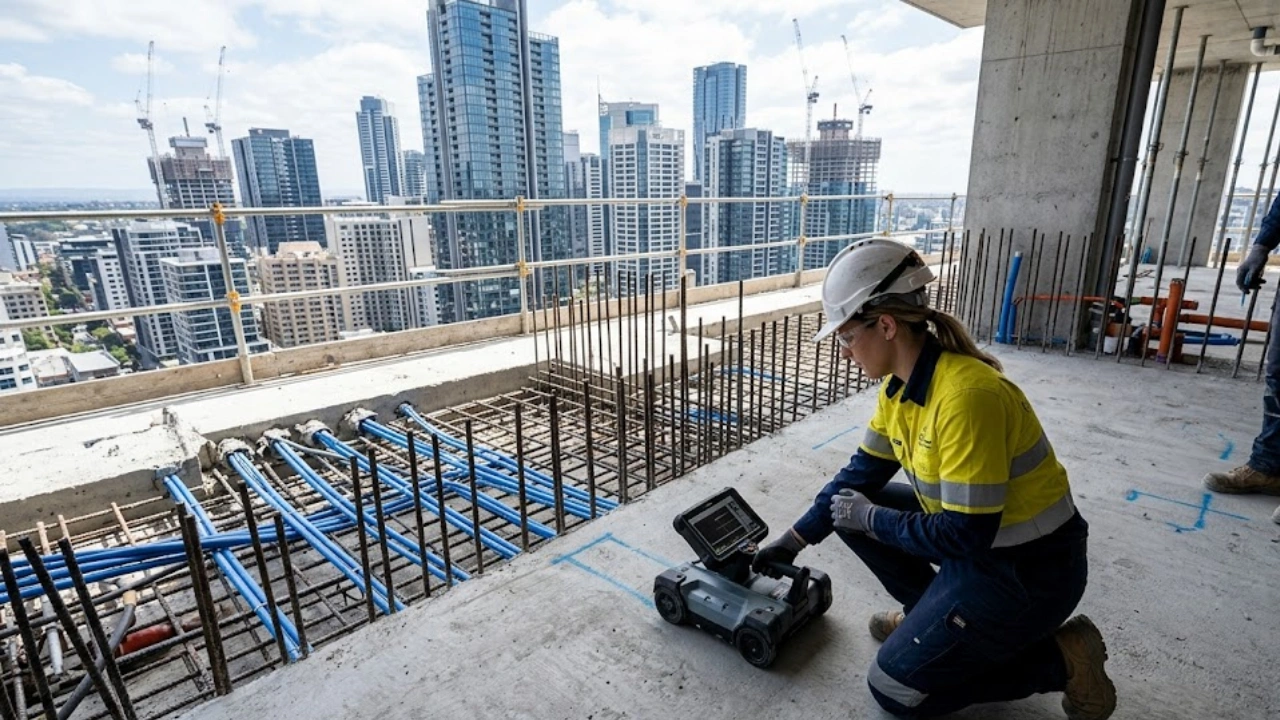
Engaging professional Concrete Scanning in Sydney before drilling provides clarity and certainty. Using non-destructive methods, scanning identifies embedded elements, enabling work to be planned safely and accurately.

Professional scanning allows teams to:

  • Confirm safe drilling zones
  • Adjust penetration locations before work begins
  • Protect structural integrity
  • Reduce safety risks
  • Maintain programme certainty

This is particularly important on complex or high-risk sites, including multi-storey buildings, infrastructure assets and occupied facilities.

The Role of GPR in Modern Construction

GPR Scanning services in Sydney use Ground Penetrating Radar to detect objects within concrete by transmitting high-frequency radio waves and interpreting reflected signals.

When applied correctly, GPR can identify:

  • Post-tension and pre-tension cables
  • Reinforcement layout
  • Conduits and services
  • Slab thickness and cover
  • Structural anomalies such as voids

The value of GPR lies not only in detection, but in accurate interpretation. Experienced technicians and engineers understand how to distinguish critical elements from background noise and construction artefacts.

Why “Guesswork” Is No Longer Acceptable

Historically, trades relied on experience, assumptions or limited drawings. In today’s environment, this approach is increasingly risky.

Sydney construction sites are:

  • More complex
  • More densely serviced
  • More regulated
  • Less tolerant of avoidable incidents

Scanning replaces uncertainty with verified information, allowing decisions to be made confidently and defensibly.

Answering Common Questions

Is concrete scanning really necessary before drilling?
Yes. Concrete almost always contains hidden services or reinforcement. Scanning identifies these risks before damage occurs.

Can drawings replace concrete scanning?
No. Drawings may be outdated or incomplete. Scanning confirms actual site conditions.

What happens if a post-tension cable is hit?
It can cause structural damage, safety incidents and require immediate engineering intervention.

Is scanning only needed on large projects?
No. Even small penetrations can cause major issues if services or reinforcement are struck.

The Bottom Line

Skipping concrete scanning before drilling is one of the most common and costly mistakes on Sydney construction sites. The risks extend beyond immediate damage to include safety incidents, structural compromise, compliance exposure and project delays.

Professional scanning is a practical, proven way to manage these risks. It supports safer work practices, better decision-making and long-term asset performance.

In a construction environment where accuracy, safety and accountability matter more than ever, drilling blind is no longer an acceptable option.

Increase Your Property’s Resale Value with Expert Concrete Resurfacing in Sydney

Category: News

Concrete resurfacing in Sydney

Are you opting for property selling? Thinking of ways to increase the property value?

Every homeowner looks for ways to increase the property’s selling value. Even property investors focus on property renovation to get the best seller and price.

In Sydney, one of the best and proven ways to get the best value is concrete resurfacing. Concrete resurfacing in Sydney helps restore the structural integrity and address any structural deformities. From internal flooring to an externally appealing driveway, concrete resurfacing is the ultimate solution for upgrading your home. Additionally, it is not only suitable for residential buildings but also for commercial buildings.

Explore ways to enhance the home’s value with this process and get the best value for your property. 

Ways to beautify the home with concrete

  1.  Enhance the outdoor space.

In Sydney, most houses have an outdoor living area, which is the most preferred location for families. Enhancing the place with concrete resurfacing is the best idea. Decorative driveways, well-designed pathways, pool railings or alfresco are the best ways to beautify the space.

  1.  Permanent fence with concrete

To boost your home’s resale value, permanent fencing is a good idea. Some people prefer posts made of concrete, while others make a fence entirely of concrete. Whichever option you choose, it makes the wall sturdy and hard to break.

  1.  Add concrete steps to the front door.

Sydney is an area of high precipitation. Adding concrete stairs would improve drainage and enhance the front yard’s appearance. You can also imitate the cobbled pathway look even with the stairs.

  1.  Polished concrete flooring

Polished concrete floors are popular for their low maintenance and durability. Such flooring is highly resistant to any wear and tear. They impart the modern flooring look and enhance the overall look of the house. If you prefer contemporary designs for your home, it is a perfect choice.

  1.  A designed driveway

When it comes to selling properties, the first impression matters. So having a designed driveway raises a lot of issues. Concrete resurfacing in Sydney can enhance the driveway’s look in numerous ways. It imparts a premium look that transforms the entire exterior.

  1.  Concrete edge curves

They are the best for making planters or garden beds in garden areas. Just a concrete edge can transform the overall look of your yard. It provides a distinction between the grass area and the planter area.

Conclusion

Concrete can create magic in your property that you can ever imagine. CES Sydney offers customised services to clients. We provide a tailored plan that perfectly meets the needs of your project. We are the trusted professionals who guarantee the best concrete resurfacing service.

Check the website to book right now.

We also conduct structural and material testing to ensure compliance and provide assurance. Contact our professionals for more information about concrete repairing and resurfacing.