Category: Building Maintenance
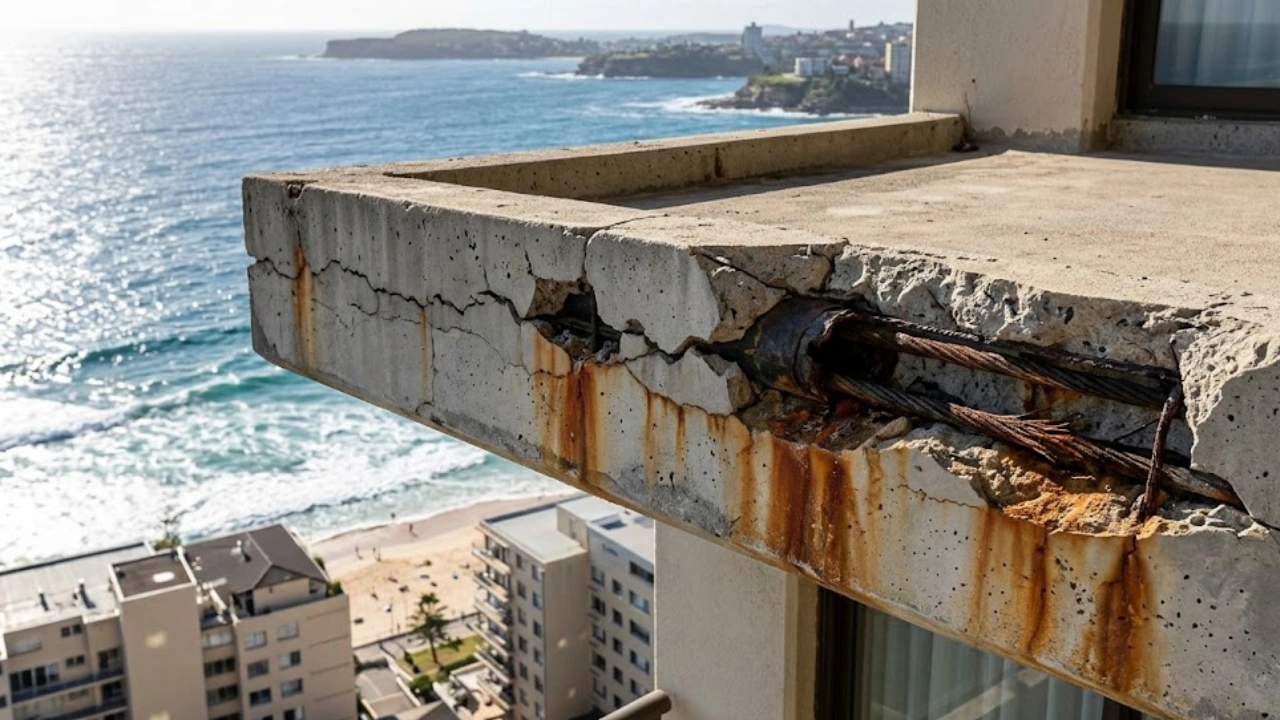
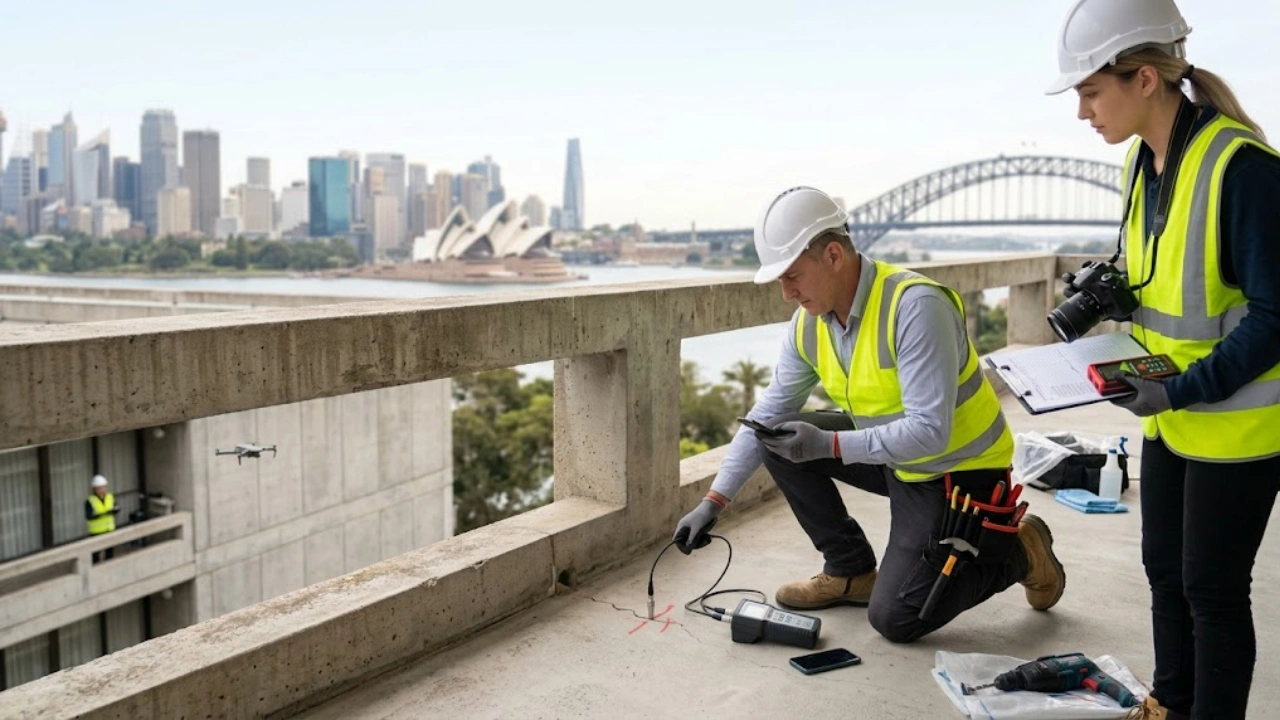
Sydney’s coastline is one of the city’s greatest assets. From stunning harbour views to thriving waterfront developments, coastal locations remain highly desirable for residential, commercial, and mixed use properties. However, the same environment that makes these locations attractive can also create serious challenges for concrete structures.
One of the most significant concerns is corrosion within post tension systems. When these systems become damaged or exposed, Sydney’s coastal conditions can accelerate deterioration far faster than many property owners realise. Left unchecked, corrosion can compromise structural performance, increase repair costs, and reduce the lifespan of valuable assets.
Understanding how coastal conditions affect post tensioned structures is essential for building owners, strata managers, engineers, and developers who want to protect their investments.
What are Post Tension Systems?
Post tensioning is a construction technique used to strengthen concrete slabs, beams, and other structural elements. High strength steel tendons are installed within ducts and tensioned after the concrete has gained sufficient strength.
This process allows concrete structures to span greater distances, carry heavier loads, and reduce the amount of conventional reinforcement required.
Post tension systems are commonly found in:
- Residential apartment buildings
- Commercial office towers
- Shopping centres
- Car parks
- Hotels
- Hospitals
- Mixed use developments
These systems have delivered excellent structural performance for decades. However, they require protection from moisture and corrosion to maintain their integrity.
Why Coastal Environments Create Higher Corrosion Risks
Properties located near the coast face environmental conditions that are far more aggressive than inland locations.
Salt particles carried by sea breezes settle on building surfaces every day. Over time, these chlorides can penetrate concrete and reach embedded steel components.
Once steel is exposed to moisture and chlorides, corrosion can begin.
Sydney’s coastal suburbs experience continuous exposure to:
- Salt laden air
- High humidity levels
- Wind driven rain
- Seasonal temperature fluctuations
- Moisture retention within concrete
These factors work together to create an ideal environment for corrosion development.
The Role of Chlorides in Structural Deterioration
Chlorides are one of the primary causes of corrosion in reinforced and post tensioned concrete structures.
Concrete naturally provides an alkaline environment that helps protect embedded steel. When chlorides penetrate the concrete, this protective environment begins to break down.
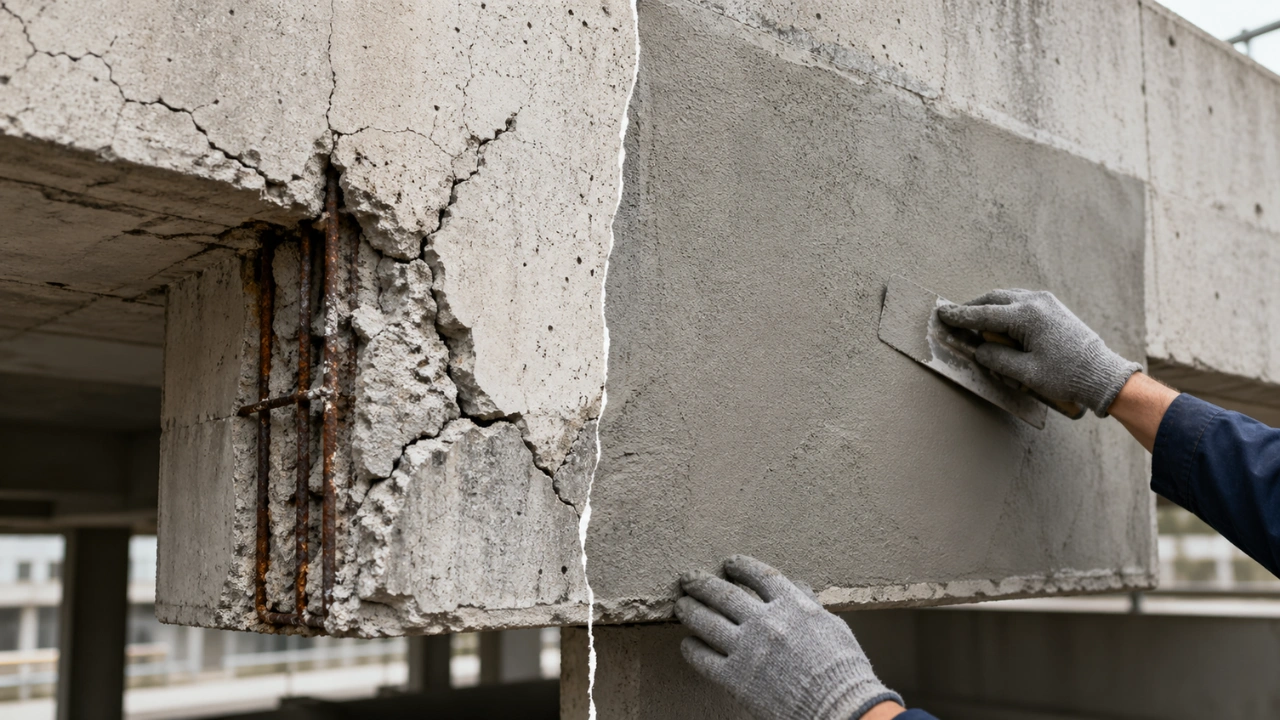
Once corrosion starts, steel components expand as rust forms.
This expansion creates internal pressure within the concrete, leading to:
- Cracking
- Delamination
- Concrete spalling
- Reduced structural capacity
- Increased maintenance requirements
For post tension systems, the consequences can be even more serious because tendons play a critical role in carrying structural loads.
Why Damaged Post Tension Systems Are More Vulnerable
A properly protected post tension system can perform well for many years. Problems often begin when damage allows moisture and contaminants to enter areas that should remain sealed.
Common causes of damage include:
Concrete Cracking
Cracks provide direct pathways for moisture and chlorides to enter the structure.
Poor Waterproofing
Failed waterproofing systems allow water to reach sensitive structural components.
Construction Modifications
Building alterations may unintentionally affect protective layers surrounding tendons.
Age Related Deterioration
Older structures may experience wear that gradually exposes vulnerable areas.
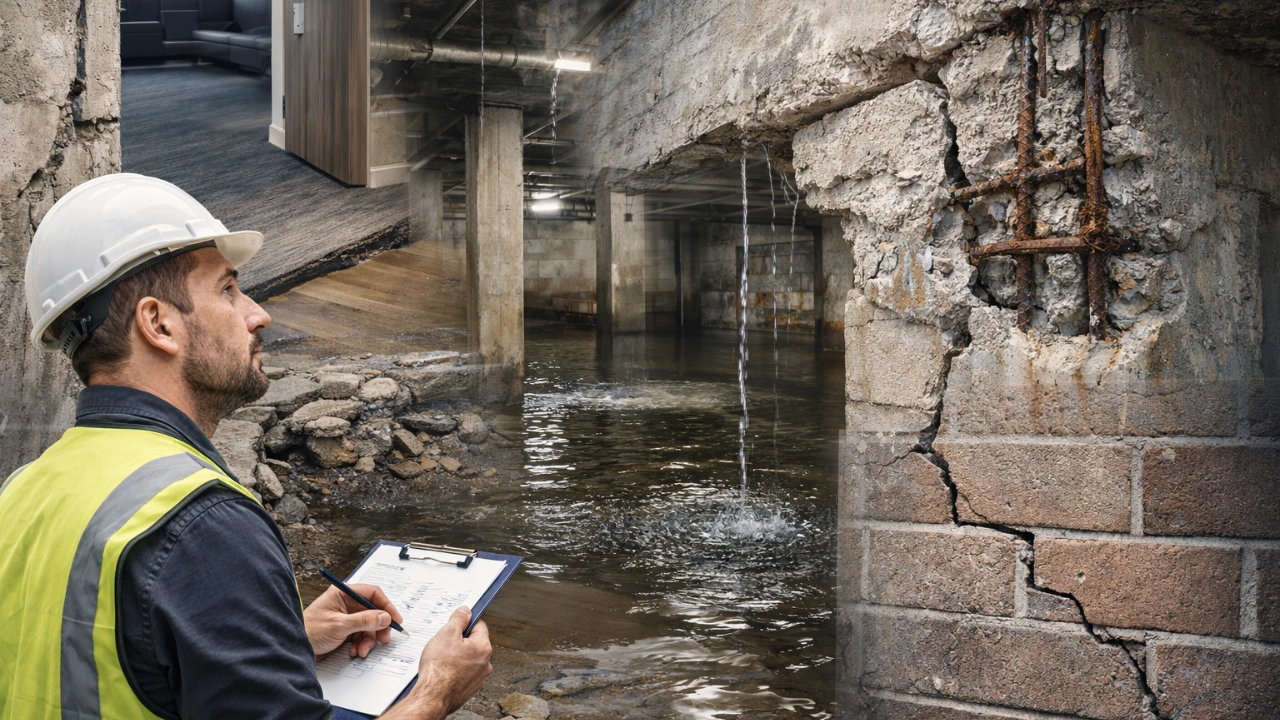
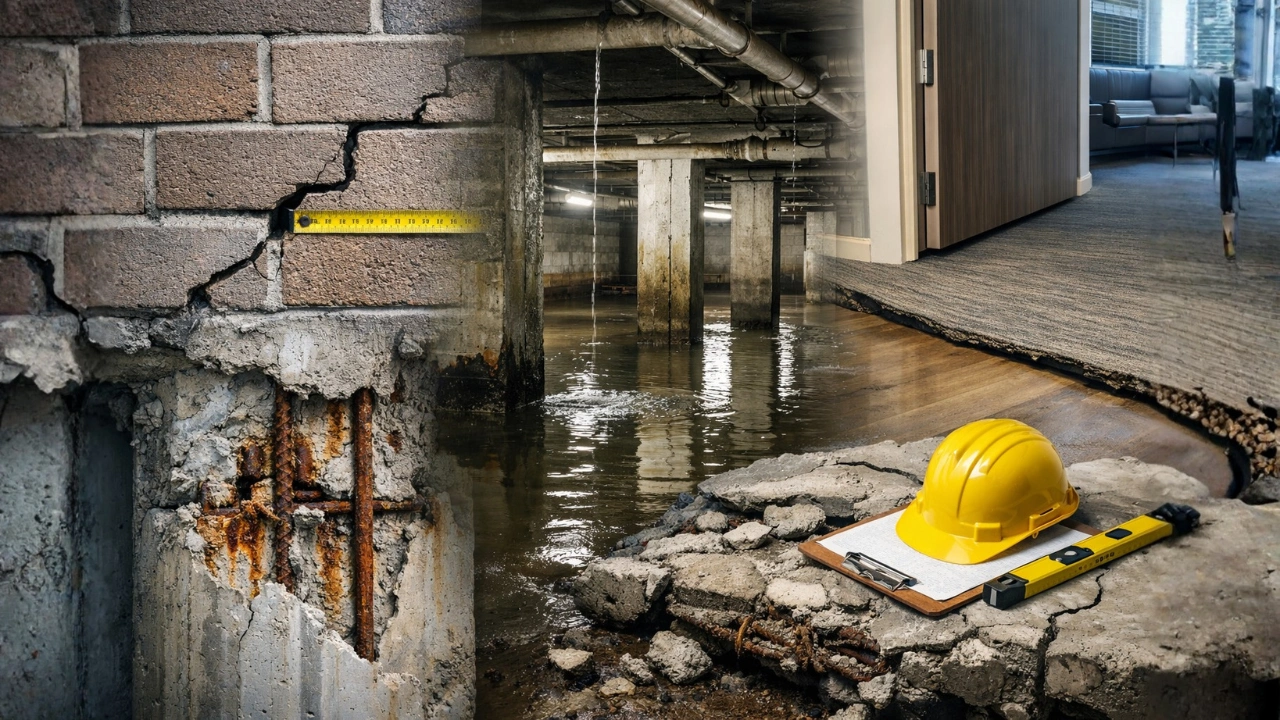
Water Ingress
Persistent moisture can accelerate corrosion activity within tendon systems.
Once these issues occur, coastal conditions can significantly increase the rate of deterioration.
Warning Signs That Corrosion May Be Developing
Many corrosion problems develop slowly before visible signs appear. Regular inspections are essential for identifying issues before major damage occurs.
Some common warning signs include:
Warning Sign | Possible Cause |
|---|---|
Rust staining | Moisture reaching steel components |
Concrete cracking | Expansion caused by corrosion |
Spalling concrete | Internal steel deterioration |
Water leakage | Failed waterproofing systems |
Surface staining | Chloride contamination |
Concrete delamination | Corrosion related expansion |
Early identification can help prevent extensive structural repairs later.
Why Corrosion Can Be Difficult to Detect
One of the challenges with post tension structures is that the steel tendons are often concealed within the concrete.
Unlike exposed structural steel, deterioration may remain hidden for years.
By the time visible symptoms appear, significant internal damage may already exist.
This is why professional investigations often include:
- Concrete scanning
- Corrosion assessments
- Structural inspections
- Moisture testing
- Condition reporting
These assessments help identify risks before they become major structural concerns.
Coastal Apartment Buildings Face Increased Exposure
Sydney’s apartment market has seen substantial growth along coastal corridors. Many of these buildings contain post tensioned slabs and transfer structures.
The combination of high occupancy levels and constant environmental exposure makes ongoing maintenance particularly important.
Balconies, podium decks, rooftop areas, and car parks are often among the first locations where moisture related problems emerge.
Without proper monitoring and maintenance, corrosion can progress unnoticed beneath finished surfaces.
The Financial Impact of Delayed Action
Structural corrosion is not simply a maintenance issue. It can become a significant financial burden when left untreated.
Potential costs may include:
- Structural repairs
- Concrete replacement
- Waterproofing upgrades
- Engineering assessments
- Building downtime
- Strata special levies
- Tenant disruption
Addressing minor issues early is often far more economical than undertaking major remediation works later.
The Importance of Preventative Maintenance
Preventative maintenance remains one of the most effective strategies for protecting post tension structures in coastal environments.
Building owners should consider regular inspections of:
- Balconies
- Rooftop slabs
- Car parks
- Podium decks
- Basement areas
- Retaining structures
Routine inspections can identify developing problems before significant damage occurs.
PRO TIP
Waterproofing systems play a crucial role in protecting post tension structures. Even small waterproofing failures can allow moisture and chlorides to enter concrete and begin the corrosion process.
Things to Remember
- Coastal environments create higher corrosion risks than inland locations.
- Salt laden air can penetrate concrete over time.
- Damaged post tension systems are particularly vulnerable to moisture intrusion.
- Corrosion often develops before visible signs appear.
- Early inspections help reduce long term repair costs.
- Preventative maintenance extends structural lifespan.
The Connection Between Building Modifications and Corrosion Risks
Many commercial and residential buildings undergo renovations during their lifecycle. New services, fit outs, and structural modifications can introduce additional risks if not properly assessed.
Activities involving post tension truncations works must always be planned carefully to ensure tendon systems remain protected and structural integrity is maintained.
Professional engineering assessments play a critical role in identifying risks and determining appropriate solutions before modifications begin.
Protecting Coastal Structures for the Future
Sydney’s coastal environment presents unique challenges for concrete buildings. While post tension systems provide exceptional structural performance, they require ongoing protection from moisture and chloride exposure.
Regular inspections, proactive maintenance, and timely repairs can significantly reduce corrosion risks and help extend the life of valuable assets.
Need Expert Advice on Structural Concrete Issues?
At Concrete Engineering Solutions, we help property owners, strata managers, builders, and commercial asset managers assess structural risks and develop effective remediation strategies.
If your building shows signs of concrete deterioration, water ingress, or potential corrosion concerns, contact Concrete Engineering Solutions for professional guidance and practical solutions that protect your investment for the long term.