
Concrete Engineering Solutions
How Remedial Engineering Restores Structural Safety Without Demolition?
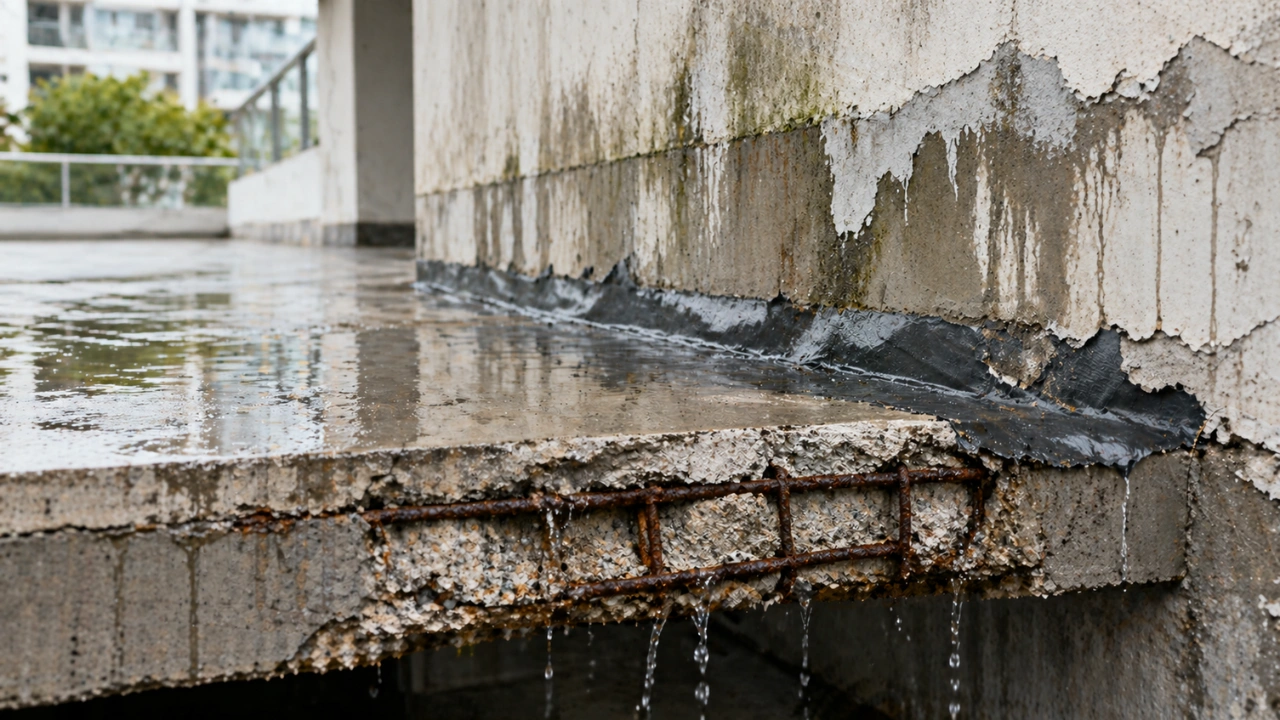
Demolition is often seen as the only solution when a structure begins to fail.
In reality, most structural problems do not require complete removal. They require understanding.
Across many buildings in Sydney, structural deterioration appears in familiar ways. Cracks form. Concrete begins to break away. Water enters areas where it should not. Over time, these issues affect how the structure carries load.
The instinct is often to replace. But in many cases, replacement is not necessary.
Remedial engineering exists to restore performance without removing what still works.
The Difference Between Damage and Failure
Not all damage means the structure has failed.
Concrete can show signs of deterioration while still maintaining its ability to carry load. The challenge is knowing where that line sits.
A surface defect may look serious but remain non structural. At the same time, a small crack in a critical location may indicate deeper stress within the system.
Remedial engineering focuses on identifying this difference.
It answers a simple question. Is the structure still capable of performing its intended role?
If the answer is yes, restoration is possible.
What Remedial Engineering Actually Involves?
Remedial engineering is not just repair work. It is a process.
It begins with understanding the structure. This includes how it was designed, how it is currently behaving, and what has changed over time.
From there, the approach becomes targeted.
Instead of removing entire sections, specific areas are treated based on their condition. This may involve restoring concrete, addressing corrosion, sealing pathways for moisture, or strengthening load bearing elements.
The focus is always on preserving the structure where possible.
Why Demolition is Not Always the Right Answer?
Demolition comes with cost, disruption and risk.
In occupied buildings, it affects tenants and operations. In commercial environments, it can interrupt business. In strata properties, it creates long approval processes and coordination challenges.
More importantly, demolition removes both damaged and undamaged sections.
Remedial work, on the other hand, isolates the problem.
It allows engineers to retain what is still performing and intervene only where required. This makes the process more efficient and often more practical.
Common Situations Where Remedial Work is Used
Across Sydney, many structures benefit from remedial solutions rather than replacement.
These include:
- Concrete spalling caused by corrosion
- Cracking in slabs and beams
- Water affected basement walls
- Deterioration in balconies and exposed elements
- Structural elements that require strengthening due to load changes
In each case, the goal is not to rebuild but to restore.
How Structural Safety is Restored?
Restoring safety is not about covering damage. It is about reinstating performance.
This involves several steps working together.
First, the cause of deterioration is identified. Without this step, any repair remains temporary.
Second, damaged areas are prepared properly. This ensures that new materials bond effectively and perform as intended.
Third, the appropriate method is selected. This depends on whether the issue relates to strength, durability or moisture.
Finally, the repaired element is protected to prevent future deterioration.
Each step contributes to restoring the structure to a safe and functional condition.
Demolition vs Remedial Engineering
Aspect | Demolition Approach | Remedial Engineering |
|---|---|---|
Scope | Full removal | Targeted intervention |
Cost | High | Controlled |
Time | Longer | Shorter in most cases |
Disruption | Significant | Reduced |
Material use | Wasteful | Efficient |
Outcome | New structure | Restored performance |
This comparison shows why remedial solutions are often preferred when feasible.
PRO TIP
If a structure shows localised damage, it does not mean the entire element has failed. Always assess before deciding to replace.
The Role of Experience in Remedial Work
Remedial engineering relies heavily on judgement.
Understanding how structures behave over time is not something that comes from theory alone. It comes from site experience, inspection work and exposure to different building conditions.
In Sydney, buildings vary widely. Some are modern with post tension systems. Others are older with different construction methods.
Each requires a tailored approach.
This is where experienced engineering teams make a difference. They do not apply a single solution. They adapt based on what the structure needs.
Why Early Action Changes the Outcome?
Timing plays a major role in remedial success.
When deterioration is identified early, the scope of work remains limited. Repairs are more straightforward and less disruptive.
If ignored, the same issue spreads. Corrosion progresses, cracks widen, and structural performance begins to reduce.
At that stage, options become more limited and more costly.
Early intervention keeps solutions practical.
A Different Way to Think About Repair
Instead of asking whether a structure needs to be replaced, it is better to ask how much of it still works.
In many cases, a large portion of the structure remains sound. The issue is confined to specific areas.
Remedial engineering focuses on those areas. It restores performance where needed and preserves what is still functioning.
This approach is both practical and efficient.
It aligns with how buildings actually behave over time.
Where This Approach Makes the Most Difference?
This method is particularly valuable in:
- Strata buildings where disruption must be minimised
- Commercial properties where downtime affects operations
- Industrial facilities where access is limited
- Heritage structures where preservation is important
In these environments, targeted repair is often the only workable solution.
A Practical Closing Note
Most buildings do not need to be rebuilt when problems appear. They need to be understood.
When the right assessment is carried out, and the correct method is applied, structural performance can be restored without unnecessary removal.
That is the role of Structural Remedial Building Services in Sydney.
It is not about replacing structures. It is about bringing them back to a safe and reliable condition.
If You Are Facing Structural Issues
If you are dealing with cracking, spalling or ongoing deterioration, it may be worth stepping back before deciding on replacement.
A clear assessment often reveals that the structure can be restored with the right approach.
Concrete Engineering Solutions works across Sydney on projects where repair is not just about fixing damage, but about restoring performance in a practical and controlled way.
A conversation at the right stage can often prevent a much larger problem later.
Frequently Asked Questions
Can structural damage always be repaired without demolition?
Not always, but in many cases yes. It depends on the extent of damage and whether structural capacity can be restored.
Is remedial work as strong as new construction?
When designed and carried out correctly, remedial work can restore the structure to a safe and functional condition.
How do engineers decide between repair and demolition?
The decision is based on structural condition, load capacity, extent of deterioration and feasibility of repair.
Is remedial engineering cost effective?
In many situations, it reduces cost by avoiding full replacement and limiting the scope of work.
When should remedial work be considered?
As soon as signs of deterioration appear. Early action provides more options and better outcomes.