
Concrete Engineering Solutions
Why Carbon Fibre Strengthening is Growing Fast in Sydney Construction Projects?
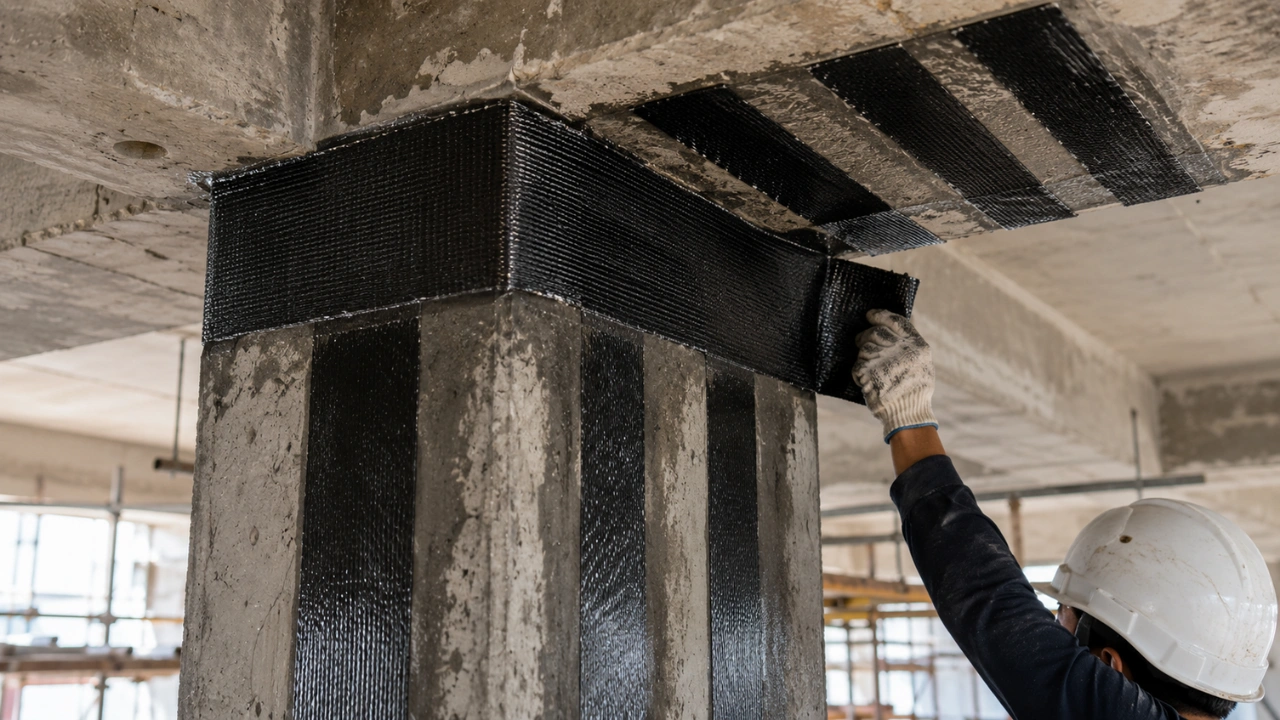
Sydney’s construction industry continues to evolve as builders, engineers, and property owners look for stronger, faster, and more cost effective ways to repair and reinforce structures. Ageing buildings, increasing load requirements, and stricter safety expectations are driving demand for modern strengthening methods across residential, commercial, and industrial projects.
One solution gaining rapid attention is carbon fibre strengthening. From apartment buildings and car parks to bridges and commercial structures, carbon fibre systems are becoming a preferred option for structural reinforcement.
The reason is simple. Property owners want durable results without major demolition, excessive downtime, or heavy structural additions. Carbon fibre systems offer all of these advantages while delivering outstanding strength and long term performance.
What is Carbon Fibre Strengthening?
Carbon fibre strengthening is a structural reinforcement method that uses high strength carbon fibre materials bonded to concrete surfaces using specialised resins and adhesives.
Once applied, the carbon fibre works with the existing structure to improve its ability to carry loads and resist stress. The system strengthens weak areas without adding large amounts of weight to the building.
This method is commonly used for:
- Concrete beams
- Slabs
- Columns
- Walls
- Bridges
- Car parks
- Industrial structures
It has become widely accepted in modern construction because of its efficiency and reliability.
Why Sydney Buildings are Needing More Structural Reinforcement?
Many buildings across Sydney are ageing. Structures built decades ago are now facing increased usage, environmental exposure, and changing building requirements.
Several factors are contributing to the growing demand for strengthening solutions.
Building Upgrades and Renovations
Older buildings are often renovated to support additional floors, heavier equipment, or modern layouts. These changes place extra stress on existing structures.
Concrete Deterioration
Moisture, corrosion, temperature changes, and long term wear can weaken concrete over time.
Commercial Expansion
Warehouses, office buildings, and retail spaces frequently undergo modifications that increase structural load demands.
Stricter Safety Expectations
Modern construction standards require buildings to meet higher performance and safety requirements than in previous decades.
These challenges have increased demand for faster and more reliable strengthening systems.
Why Carbon Fibre Systems Are Becoming So Popular?
Traditional strengthening methods such as steel plating and concrete jacketing have been used for years. However, these systems often involve heavy materials, larger labour costs, and extended project timelines.
Carbon fibre systems provide several advantages that make them more suitable for modern construction projects.
High Strength Without Adding Heavy Weight
One of the biggest advantages of carbon fibre is its incredible strength to weight ratio.
Although lightweight, carbon fibre materials provide extremely high tensile strength. This allows structures to gain reinforcement without placing additional pressure on existing foundations or supports.
PRO TIP
Heavy strengthening systems can sometimes create new structural stress points. Lightweight carbon fibre systems help avoid this problem while still improving load capacity.
Faster Installation Saves Time
Construction timelines are a major concern for builders and property owners across Sydney. Long repair projects can affect businesses, tenants, and operational schedules.
Carbon fibre strengthening systems are faster to install compared to many traditional reinforcement methods.
Benefits of quicker installation include:
|
Benefit |
Impact |
|---|---|
|
Reduced labour time |
Lower project costs |
|
Less disruption |
Improved site efficiency |
|
Faster project completion |
Earlier building access |
|
Minimal demolition |
Cleaner work areas |
This makes carbon fibre particularly attractive for occupied buildings and active commercial sites.
Minimal Disruption During Construction
Large scale structural repairs often create noise, dust, and major interruptions. Carbon fibre applications require less invasive work compared to traditional reinforcement methods.
In many cases:
- Existing structures remain operational
- Less demolition is required
- Access restrictions are reduced
- Noise levels are lower
This is especially important for:
- Hospitals
- Shopping centres
- Apartment buildings
- Office spaces
- Schools
Property owners appreciate systems that reduce inconvenience while still delivering strong results.
Excellent Resistance to Corrosion
Steel reinforcement systems can eventually suffer from corrosion when exposed to moisture and environmental conditions.
Carbon fibre materials are highly resistant to corrosion, making them suitable for harsh environments and long term structural protection.
This is particularly valuable in Sydney due to:
- Coastal exposure
- Humidity
- Rainfall
- Temperature changes
Long term durability is one reason why engineers increasingly recommend carbon fibre systems.
Growing Demand in Commercial Construction Projects
Commercial projects across Sydney are one of the fastest growing sectors for structural strengthening work.
Many commercial buildings require reinforcement due to:
- Increased occupancy loads
- Equipment upgrades
- Structural redesigns
- Compliance improvements
- Age related deterioration
Carbon fibre systems allow these buildings to remain functional while strengthening work is completed efficiently.
Carbon Fibre Strengthening for Infrastructure Projects
Infrastructure maintenance is another major reason for increased demand.
Bridges, tunnels, transport facilities, and public structures often require reinforcement to maintain safety and structural performance.
Carbon fibre systems help infrastructure projects by providing:
- Long lasting reinforcement
- Reduced maintenance requirements
- Faster repair timelines
- Minimal additional structural weight
This makes the method suitable for high traffic environments where downtime must be minimised.
Why Engineers Prefer Carbon Fibre Strengthening?
Engineers across Sydney are increasingly recommending carbon fibre reinforcement because of its proven structural performance.
Key reasons include:
Flexibility in Design
Carbon fibre materials can be applied to different shapes and structural configurations.
High Structural Performance
The system improves flexural, shear, and load carrying capacity.
Long Term Reliability
Properly installed carbon fibre systems deliver durable reinforcement for many years.
Reduced Structural Impact
The lightweight nature of the material avoids excessive loading on existing structures.
These advantages allow engineers to solve structural problems more efficiently.
Common Applications Across Sydney
Carbon fibre systems are now used across many sectors of the construction industry.
Residential Buildings
Homes and apartment complexes often require strengthening during renovations or extensions.
Industrial Facilities
Factories and warehouses frequently upgrade machinery and storage systems, increasing structural demands.
Car Parks
Concrete slabs and support beams in car parks commonly require reinforcement due to ongoing vehicle loads.
Heritage Buildings
Older buildings can be strengthened without major visual changes to the structure.
THINGS TO REMEMBER
- Structural weakness does not always appear immediately
- Small cracks can become major issues over time
- Lightweight reinforcement reduces stress on buildings
- Faster installation helps reduce project disruption
- Corrosion resistant materials improve long term durability
- Early strengthening work often prevents larger repair costs later
Carbon Fibre Systems Support Sustainable Construction
Many builders and developers are now looking for ways to reduce waste and extend the lifespan of existing structures rather than complete demolition and reconstruction.
Strengthening existing buildings provides environmental and financial benefits by:
- Reducing construction waste
- Extending structural lifespan
- Lowering material usage
- Avoiding unnecessary rebuilding costs
Carbon fibre systems support this approach by helping existing structures remain functional for longer periods.
Signs a Structure May Need Strengthening
Several warning signs may indicate that reinforcement is required.
|
Warning Sign |
Possible Concern |
|---|---|
|
Large cracks |
Structural stress |
|
Concrete spalling |
Internal corrosion |
|
Sagging slabs |
Load capacity issues |
|
Water damage |
Concrete deterioration |
|
Building modifications |
Increased structural demand |
Professional inspections help determine whether strengthening is required and identify the best repair method.
The Future of Structural Reinforcement in Sydney
As Sydney continues to grow, construction projects will increasingly focus on improving existing buildings rather than replacing them entirely.
Modern strengthening systems offer builders and property owners a smarter way to extend structural life while controlling costs and minimising disruption.
The combination of speed, strength, durability, and flexibility is why carbon fibre reinforcement continues to gain momentum across the construction industry.
Strengthen Your Structure with Trusted Industry Experts
Structural problems should never be ignored. Early reinforcement can prevent serious damage, reduce repair costs, and improve long term building performance.
At Concrete Engineering Solutions, we provide reliable structural reinforcement services for residential, commercial, and industrial properties. Our team delivers proven solutions tailored to the needs of modern construction projects across Sydney.
If your property requires professional assessment or reinforcement work, contact Concrete Engineering Solutions to discuss with an expert about carbon fibre strengthening in Sydney for stronger and safer structures.