
Concrete Engineering Solutions
Signs Your Building Needs Concrete Waterproofing Before Winter Arrives
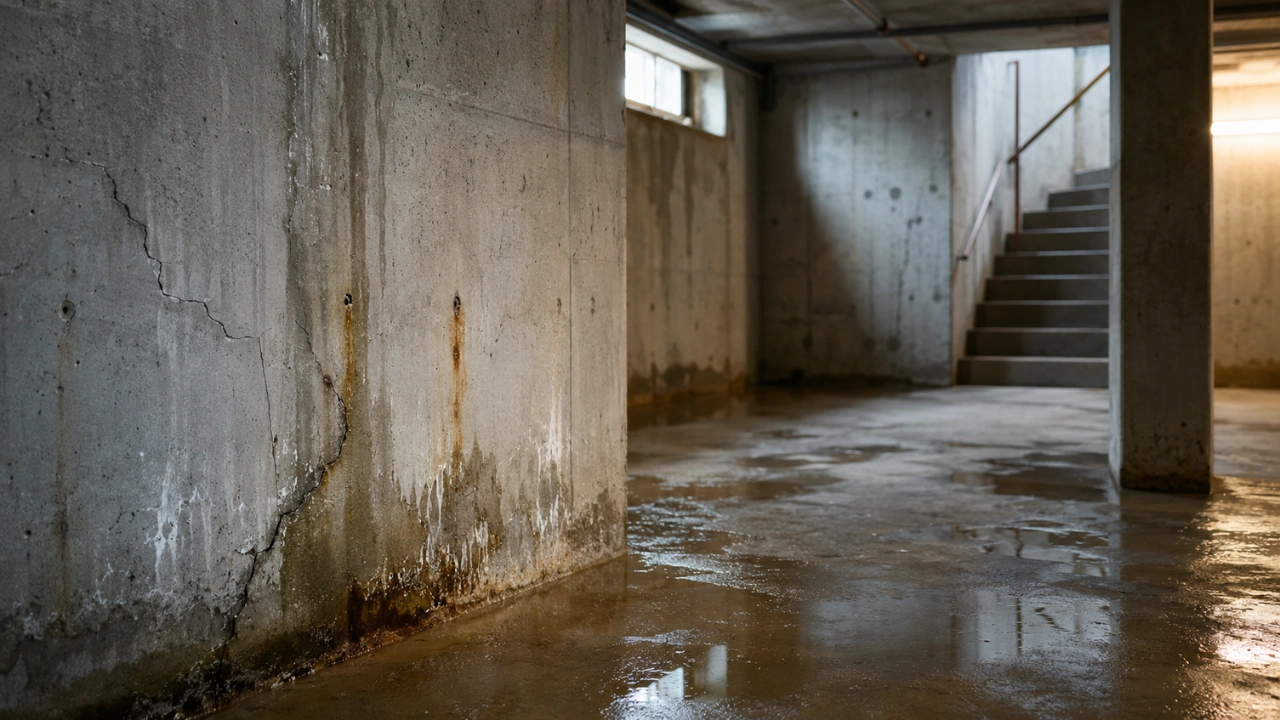
As winter approaches across Australia, property owners often focus on heating systems, roofing, and drainage. However, one issue that gets ignored until serious damage appears is moisture entering concrete structures. Rainfall, cold weather, and trapped moisture can quietly weaken a building long before visible damage becomes obvious.
Water penetration is not just a surface issue. It can affect structural stability, indoor air quality, finishes, and long term repair costs. The earlier the warning signs are identified, the easier and more affordable the solution becomes.
Many commercial and residential buildings already show early signs of moisture related damage before winter begins. Spotting these signs early can help prevent expensive structural repairs and major disruption later.
Why Winter Makes Concrete Problems Worse?
Concrete naturally absorbs moisture over time. During dry seasons, small cracks and weak areas may not seem serious. Once winter rain arrives, water starts entering these openings and spreads deeper into the structure.
Cold temperatures and constant moisture exposure can increase damage quickly. In some cases, trapped moisture expands and weakens concrete surfaces even further. Buildings with ageing waterproofing systems are especially vulnerable during winter months.
This is why preventative maintenance before winter is critical for protecting the condition of your property.
Common Signs Your Building Needs Attention Before Winter
Some warning signs are obvious, while others develop slowly over time. Paying attention to early indicators can save thousands in future repair costs.
Damp Smell Inside the Building
A musty or damp smell often indicates hidden moisture behind walls, beneath flooring, or inside concrete surfaces. Even if no visible leak is present, trapped moisture may already be affecting the structure.
This smell is commonly noticed in:
- Basements
- Underground car parks
- Storage areas
- Bathrooms
- Lower ground floor spaces
Persistent damp odours should never be ignored before winter arrives.
Cracks Appearing in Concrete Surfaces
Concrete cracks can allow water to travel deep into the structure. Small cracks may seem harmless during dry weather, but winter rainfall can turn them into serious water entry points.
Watch for cracks in:
|
Area |
Possible Concern |
|---|---|
|
Basement walls |
Water seepage |
|
Concrete slabs |
Structural movement |
|
Balconies |
Surface deterioration |
|
Retaining walls |
Pressure damage |
|
Rooftops |
Moisture penetration |
Even hairline cracks can lead to ongoing water issues if left untreated.
Water Stains on Walls or Ceilings
Brown stains, discoloured patches, or peeling paint often indicate water penetration behind surfaces. These signs usually appear after moisture has already been present for some time.
Common areas include:
- Ceiling corners
- Internal walls
- Basement ceilings
- Stairwells
- Balcony undersides
Water stains tend to worsen significantly during winter periods.
Bubbling Paint or Surface Peeling
When moisture becomes trapped behind painted surfaces, bubbling and peeling often appear. This happens because water breaks down the bond between the coating and the wall.
If paint starts lifting or surfaces appear swollen, moisture intrusion may already be affecting the concrete underneath.
Mould Growth Around Concrete Areas
Mould thrives in damp environments. Small mould patches around walls, ceilings, or flooring may indicate excessive moisture entering the building.
Aside from structural concerns, mould can affect indoor air quality and create health risks for occupants.
Areas commonly affected include:
- Basement corners
- Window edges
- Bathroom ceilings
- Storage rooms
- Concrete retaining walls
Winter conditions usually increase mould growth rapidly.
Rust Stains Near Concrete Structures
Rust marks often appear when moisture reaches embedded steel reinforcement inside concrete. This can weaken structural integrity over time.
Signs may include:
- Orange or brown staining
- Flaking concrete
- Surface swelling
- Crumbling edges
This type of damage should be inspected immediately before heavy winter rainfall causes further deterioration.
Water Pooling Around the Property
Standing water around driveways, slabs, balconies, or foundations can indicate drainage or waterproofing problems.
Pooling water places constant pressure on concrete surfaces and increases the risk of moisture penetration.
PRO TIP
Water pooling near foundations during winter can eventually affect internal walls and flooring. Improving drainage early can prevent major structural problems later.
Efflorescence on Concrete Surfaces
Efflorescence appears as a white powdery substance on concrete or masonry surfaces. It forms when water moves through concrete and leaves salt deposits behind.
While it may seem cosmetic at first, it often indicates excessive moisture movement inside the structure.
This issue commonly appears on:
- Basement walls
- Car parks
- External concrete walls
- Retaining walls
Loose Tiles or Lifting Flooring
Moisture beneath tiled or concrete flooring can weaken adhesives and cause movement.
Warning signs include:
- Hollow sounding tiles
- Loose flooring
- Cracked grout
- Surface lifting
These problems often become worse during winter because moisture levels increase.
Things to Remember Before Winter Starts
|
Important Check |
Why It Matters |
|---|---|
|
Inspect cracks early |
Prevents water entry |
|
Check drainage systems |
Reduces moisture buildup |
|
Repair damaged sealants |
Stops hidden leaks |
|
Inspect balconies and rooftops |
High exposure to rain |
|
Monitor basement moisture |
Early detection prevents damage |
Small maintenance work completed before winter can prevent major repair expenses later.
Areas Most at Risk During Winter
Certain parts of a property are more exposed to moisture problems than others.
Basements
Below ground areas are highly vulnerable to water pressure and seepage.
Rooftops
Cracked surfaces and ageing membranes allow rainwater penetration.
Balconies
Balconies face constant exposure to rain and temperature changes.
Retaining Walls
Poor drainage behind retaining walls often leads to moisture damage.
Underground Car Parks
These areas commonly experience dampness and concrete deterioration.
Why Delaying Repairs Can Become Expensive?
Many property owners wait until major leaks appear before taking action. Unfortunately, by that stage, water damage may already be widespread.
Delaying repairs can lead to:
- Structural weakening
- Mould remediation costs
- Interior damage
- Flooring replacement
- Concrete cancer issues
- Higher repair expenses
Addressing minor warning signs early is always more cost effective than dealing with severe damage later.
Professional Inspections Make a Big Difference
Not all moisture problems are visible on the surface. Professional inspections help identify hidden issues before winter rainfall increases the damage.
Experienced specialists can assess:
- Structural cracks
- Moisture entry points
- Drainage problems
- Waterproofing failures
- Concrete deterioration
Early detection allows repairs to be completed before conditions worsen.
THINGS TO REMEMBER
- Water damage often starts silently
- Small cracks can become serious during winter
- Damp smells should never be ignored
- Mould growth usually indicates hidden moisture
- Preventative repairs cost less than structural restoration
- Winter weather accelerates concrete deterioration
Protect Your Building Before Winter Arrives
Moisture problems rarely fix themselves. Once water enters concrete structures, damage tends to spread quickly during wet and cold conditions. Taking action before winter can protect your property, reduce repair costs, and prevent long term structural issues.
At Concrete Engineering Solutions, we help property owners identify and repair moisture related concrete problems before they become serious. Our team delivers reliable inspection, repair, and waterproofing services for residential, commercial, and industrial properties across Australia.
If your building is showing early signs of moisture damage, now is the right time to act. Contact Concrete Engineering Solutions for expert advice and trusted concrete waterproofing solutions before winter arrives.