Concrete Engineering Solutions

Not All Concrete Cracks are Cosmetic: When Injection is Structurally Required

Category: News

concrete resurfacing in Sydney

Concrete cracks are common across Sydney’s buildings and infrastructure. Walk through any car park, basement or industrial floor, and you will see them, some fine and superficial, others wider and more concerning. The challenge is that cracks that look harmless on the surface can sometimes indicate deeper structural issues.

Assuming all cracks are cosmetic is one of the most frequent and costly mistakes made during maintenance and remediation works. Understanding which cracks matter, when intervention is required, and why proper diagnosis comes first is essential for long-term performance and safety.


Understanding the Different Types of Concrete Cracks

Not all cracks behave the same way, and not all require the same response. Broadly, cracks fall into two categories: non-structural and structural.

Non-Structural Cracks

Non-structural cracks typically occur due to:

  • Plastic shrinkage during curing
  • Minor thermal movement
  • Surface drying or finishing issues

These cracks are usually fine, shallow and stable. While they may affect appearance or surface durability, they do not significantly compromise load-bearing capacity.

Structural Cracks

Structural cracks are different. They often indicate:

  • Overloading or changes in load paths
  • Differential settlement or movement
  • Loss of continuity in the concrete section
  • Reinforcement stress or corrosion-related movement

These cracks may be wider, extend through the entire depth of the element, or exhibit ongoing movement. In these cases, the crack is a symptom, not the problem itself.


Why Visual Assessment Alone is Not Enough

A common misconception is that crack width alone determines severity. In reality, crack behaviour, location and cause are far more important.

For example:

  • A narrow crack that runs through a load-bearing zone may be more serious than a wider surface crack in a non-critical area.
  • A crack that continues to open over time suggests movement that must be addressed, not simply sealed.

This is why a structural engineering investigation is often required before deciding on a repair approach. Correct diagnosis ensures the repair restores performance rather than hiding symptoms.


When Crack Injection is Structurally Required

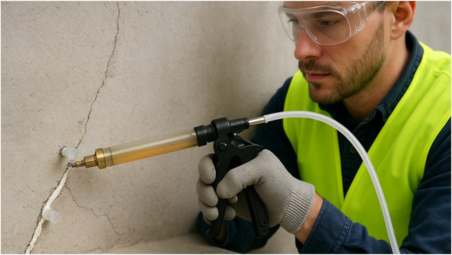
There are situations where crack injection is not optional; it is necessary to restore structural integrity.

Concrete crack injection is typically required when:

  • Cracks compromise load transfer across an element
  • Structural continuity has been lost
  • Water ingress through cracks is accelerating deterioration
  • Cracks are active or have resulted from structural movement

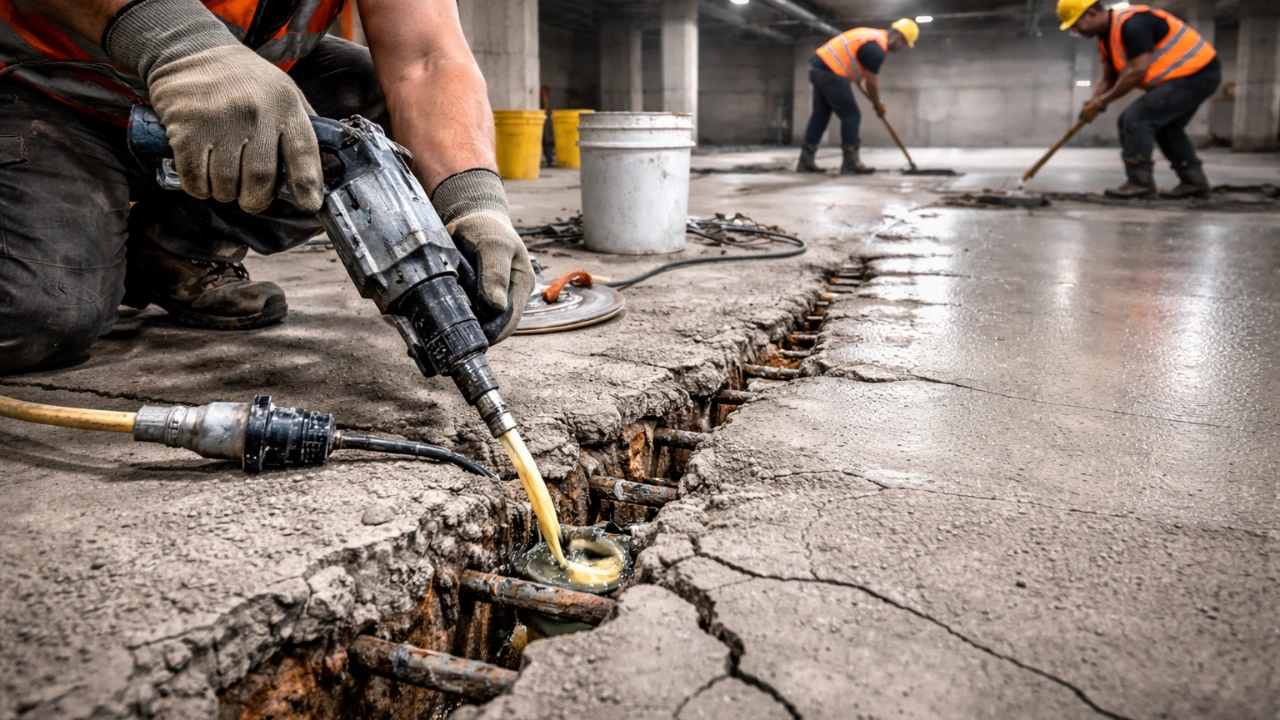
Injection restores continuity within the concrete, allowing the element to behave as designed under load. This is fundamentally different from surface sealing, which addresses only appearance or surface moisture.


The Risks of Ignoring Structural Cracks

Leaving structural cracks untreated or treating them incorrectly can lead to progressive deterioration. Common consequences include:

  • Reduced load capacity, increasing the risk of further cracking or failure
  • Accelerated reinforcement corrosion due to moisture ingress
  • Propagation of cracking, making future repairs more complex
  • Increased remediation costs as damage spreads

In Sydney’s coastal and urban environments, moisture exposure and chloride presence can significantly accelerate these issues once cracks are present.


Why Diagnosis Must Come Before Injection

Crack injection is not a “one-size-fits-all” solution. Injecting a crack without understanding its cause can result in:

  • Re-cracking adjacent to the repair
  • Locked-in stresses that cause new defects
  • Failure of the injected repair under service loads

A proper investigation considers:

  • Crack origin and load history
  • Whether movement is ongoing or stabilised
  • Structural role of the affected element
  • Interaction with reinforcement and other defects

Only after these factors are understood can injection be specified with confidence.


Crack Injection and Broader Remedial Strategies

In many cases, crack injection forms part of a broader repair strategy rather than a standalone fix.

For example:

  • Injection may restore structural continuity, followed by concrete resurfacing in Sydney to reinstate surface durability and wear resistance.
  • Injection may be combined with load management measures or environmental protection to prevent recurrence.

Sequencing matters. Addressing the structure first ensures subsequent surface treatments perform as intended.


Sydney-Specific Considerations

Sydney’s building stock presents unique challenges that influence crack behaviour and repair decisions:

  • Widespread use of post-tensioned slabs
  • Mixed-age construction with variable detailing
  • High exposure to moisture in basements and coastal zones
  • Ongoing changes in building use and loading

These factors mean cracks must be assessed in context, not judged in isolation.

FAQs

Are all concrete cracks a problem?
No. Some are cosmetic, but others indicate structural issues that require engineering assessment.

Can cracks be ignored if there is no movement?
Not always. Even dormant cracks can allow moisture ingress and lead to long-term deterioration.

Is crack injection a permanent solution?
When correctly diagnosed and applied, injection can restore structural performance and provide long-term results.

Can surface repairs replace injection?
Surface repairs do not restore structural continuity and should not replace injection where structural cracks are present.


Making the Right Call

The key takeaway is simple: not all cracks are cosmetic, and not all cracks should be treated the same way.

Correct decision-making relies on:

  • Understanding crack behaviour
  • Identifying structural implications
  • Selecting repair methods based on cause, not appearance

Injection is a powerful and effective tool, but only when used for the right reasons and in the right context.


Conclusion

Concrete cracks are easy to underestimate. They are also easy to mis-treat. Across Sydney’s commercial and industrial assets, long-term performance depends on recognising when a crack is more than a surface issue.

Structural crack injection, supported by proper investigation and sequencing, restores integrity rather than disguising damage. In a built environment where safety, durability and accountability matter, that distinction is critical.
When Concrete Resurfacing is Smarter Than Replacement

Category: News

When Concrete Resurfacing is Smarter Than Replacement

Concrete deterioration is a common challenge across Sydney’s commercial, industrial and civil assets. Cracked, worn or spalled concrete surfaces are often assumed to require full demolition and replacement. In reality, that approach is not always necessary or technically justified.

When assessed correctly, concrete resurfacing can be a smarter, more efficient solution that restores performance, extends service life and avoids unnecessary cost and disruption.

The key is understanding when resurfacing is appropriate, and when replacement is unavoidable.


Why Concrete Surfaces Deteriorate Over Time

Concrete surface damage rarely occurs without a cause. In Sydney’s built environment, common contributors include:

  • Environmental exposure (moisture ingress, carbonation, chlorides)
  • Mechanical wear from traffic or equipment
  • Construction defects such as inadequate cover or poor compaction
  • Movement or settlement causing surface cracking
  • Ageing of older structures built to earlier standards

Surface symptoms may appear cosmetic at first, but they can also be early indicators of deeper structural or durability issues.


Replacement is Not Always the Best Engineering Solution

Full concrete replacement is disruptive, expensive and often unnecessary. Demolition introduces risks such as:

  • Extended downtime for occupied sites
  • Noise, dust and access limitations
  • Increased waste and disposal requirements
  • Potential disturbance of embedded services or reinforcement

From an engineering perspective, replacement should only be considered when the structural integrity of the concrete element has been compromised beyond repair.

In many cases, the damage is limited to the surface zone, making resurfacing a viable and responsible alternative.

When Concrete Resurfacing is the Smarter Option

Concrete resurfacing is most effective when the underlying structure remains sound and capable of carrying design loads.

Typical situations where resurfacing is appropriate include:

  • Surface cracking without structural distress
  • Localised spalling or delamination
  • Wear to industrial floors or car parks
  • Surface deterioration due to environmental exposure
  • Aesthetic degradation affecting usability or safety

In these cases, resurfacing restores surface performance while retaining the existing structural element.


The Importance of Engineering Assessment First

Before any resurfacing is specified, it is critical to understand why the surface has failed.

A structural engineering investigation helps determine whether deterioration is superficial or symptomatic of a deeper issue. This assessment may consider:

  • Crack type, orientation and movement
  • Evidence of corrosion or moisture ingress
  • Load history and usage changes
  • Slab thickness, reinforcement layout and cover
  • Existing repairs or alterations

Without this step, resurfacing may only mask the problem, leading to premature failure and higher long-term costs.


Addressing Cracks Before Resurfacing

Cracks are one of the most common surface defects encountered on Sydney sites. However, not all cracks are equal.

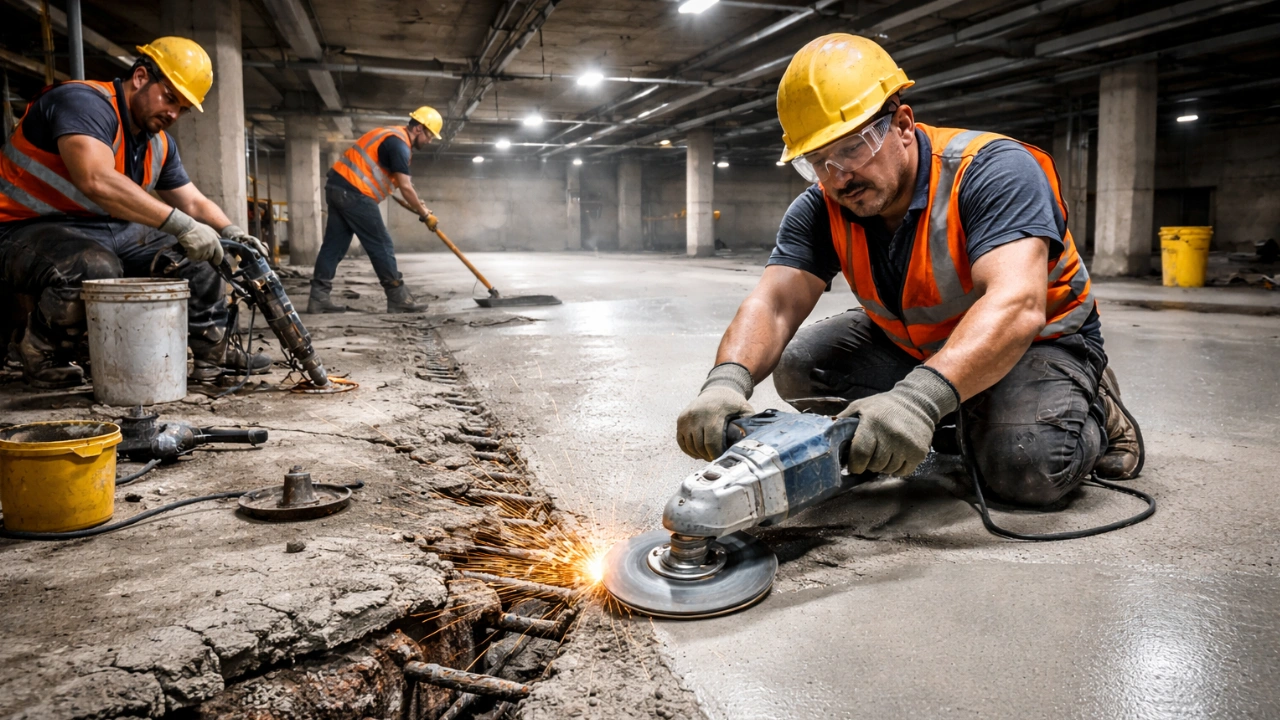
Before resurfacing, cracks must be properly assessed and treated. Where cracks indicate movement or loss of structural continuity, concrete crack injection may be required to restore integrity and prevent recurrence.

Resurfacing without addressing underlying cracks can result in:

  • Reflective cracking through the new surface
  • Loss of bond or delamination
  • Continued moisture ingress
  • Reduced service life of the repair

Proper crack treatment ensures resurfacing delivers durable outcomes, not temporary improvements.


Performance Benefits of Concrete Resurfacing

When correctly designed and executed, resurfacing delivers several practical advantages:

  • Extends the service life of existing concrete
  • Improves surface durability and abrasion resistance
  • Restores slip resistance and safety
  • Improves aesthetics and usability
  • Reduces environmental impact compared to replacement

For asset owners and facility managers, resurfacing often aligns better with lifecycle cost management and sustainability objectives.


Sydney-Specific Considerations

Sydney’s construction and asset environment presents unique challenges that influence repair decisions:

  • Coastal exposure and chloride environments
  • High usage of post-tensioned slabs
  • Older building stock with limited documentation
  • Ongoing occupation of commercial facilities

In these contexts, non-invasive solutions such as resurfacing are often preferred, provided structural performance is not compromised.

This is why concrete resurfacing in Sydney is increasingly specified as part of broader asset maintenance and remediation strategies.


When Replacement is the Correct Decision

Despite its advantages, resurfacing is not suitable in all situations. Replacement is typically required when:

  • Structural capacity has been significantly reduced
  • Reinforcement corrosion is advanced and widespread
  • Ongoing movement or settlement cannot be stabilised
  • Fire or impact damage has compromised the concrete core
  • The element no longer meets functional or compliance requirements

In these cases, resurfacing would be a short-term fix that fails to address the root cause.


Answering Common Questions

Is concrete resurfacing just a cosmetic fix?
No. When correctly assessed and specified, resurfacing restores surface performance and durability, not just appearance.

Can resurfacing be used on structural slabs?
Yes, provided the slab is structurally sound and any underlying issues are addressed first.

How long does resurfacing last?
Service life depends on preparation, materials and exposure conditions, but properly executed resurfacing can last many years.

Is resurfacing cheaper than replacement?
In most cases, yes – particularly when downtime, disposal and programme impacts are considered.


Making the Right Decision

The decision between resurfacing and replacement should never be based solely on cost. It should be informed by:

  • Structural condition
  • Cause of deterioration
  • Intended future use
  • Compliance requirements
  • Whole-of-life performance

When supported by proper investigation and repair sequencing, resurfacing is often the smarter engineering solution.

Summary

Concrete resurfacing is not a shortcut; it is a legitimate, technically sound repair method when used in the right circumstances. Across Sydney’s commercial and industrial landscape, it offers a balanced approach that restores performance without unnecessary disruption.

The key is correct diagnosis, appropriate preparation and engineering oversight. When those elements align, resurfacing delivers durable, cost-effective and responsible outcomes.

What Can Go Wrong If You Skip Concrete Scanning Before Drilling?

Category: News

Concrete Scanning in Sydney

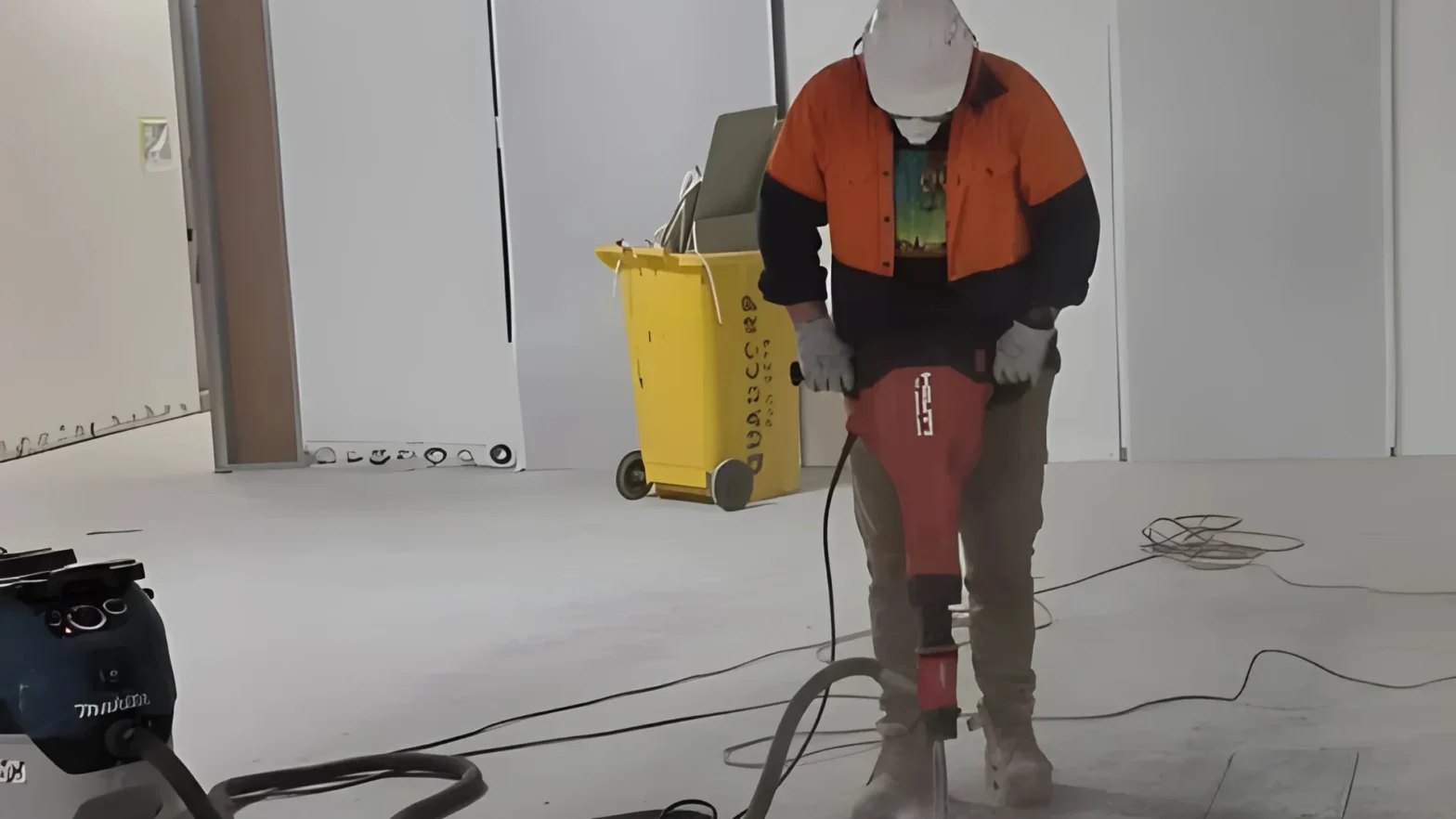
Concrete drilling is a routine activity across construction, remediation and asset maintenance projects in Sydney. Because it is common, it is often underestimated. Skipping concrete scanning before drilling remains one of the most frequent and preventable causes of safety incidents, structural damage and costly project delays across commercial and civil works.

In modern Australian construction, drilling into concrete without knowing what lies beneath is no longer a calculated risk; it is a failure in planning.

Why Concrete is Rarely “Empty”

Concrete slabs, walls and structural elements almost always contain embedded components that are not visible from the surface. These may include:

  • Post-tension or pre-tension cables
  • Reinforcing steel (reo)
  • Electrical conduits and live services
  • Water, gas or fire services
  • Structural beams, thickenings or load zones

On older sites across Sydney, documentation is often incomplete, inaccurate or missing altogether. Even on new builds, last-minute service changes can differ from drawings. This is why relying solely on plans is not sufficient.


The Most Common Failures When Scanning Is Skipped

  1. Post-Tension Cable Strikes

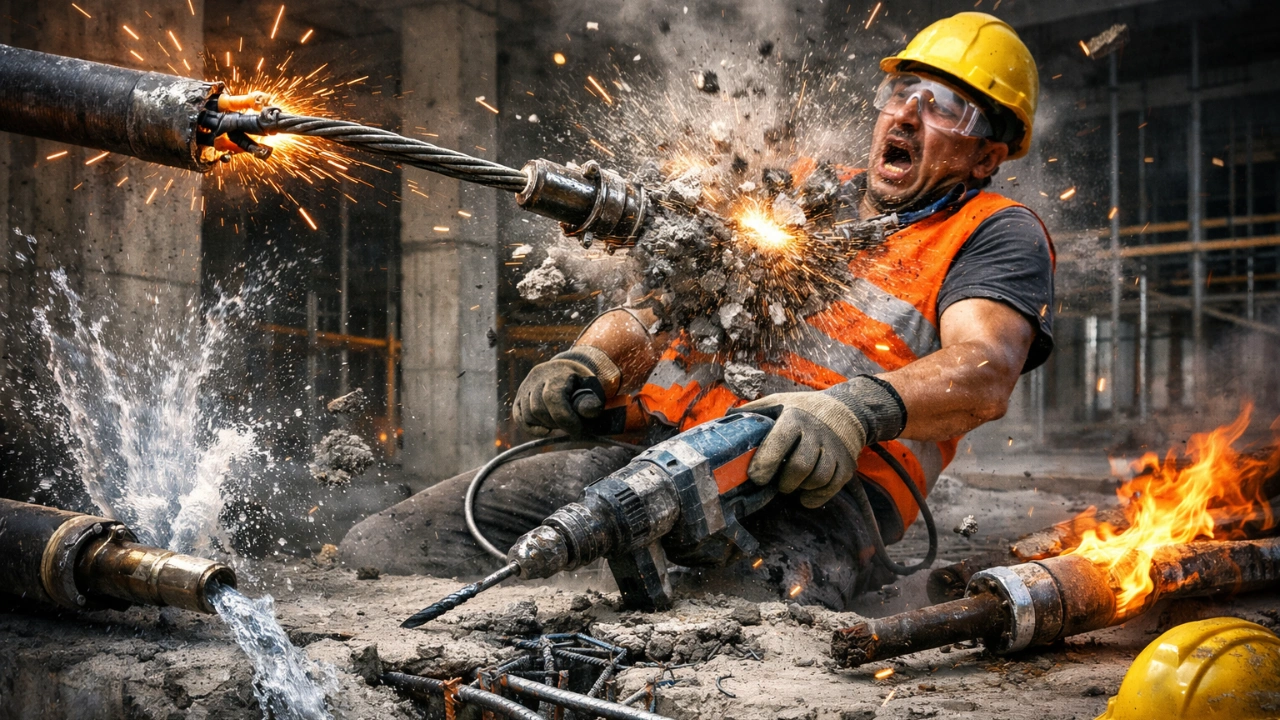
Post-tension cables are stressed under significant force. Striking a live tendon can cause:

  • Sudden cable release
  • Violent concrete spalling
  • Serious injury to workers
  • Permanent structural damage

In Sydney, post-tension systems are widely used in car parks, commercial floors and residential towers. A single strike can halt a project instantly and require extensive engineering assessment and remediation.

  1. Damage to Live Electrical Services

Electrical conduits are often embedded within slabs and walls. Drilling without prior scanning can result in:

  • Electrocution risk
  • Fire hazards
  • Shutdown of essential building services
  • Emergency repairs and compliance breaches

From commercial offices to hospitals and data centres, service continuity is critical. Damage to live electrical infrastructure can have consequences well beyond the work zone.

  1. Water, Gas and Fire Service Breaches

Water, gas and fire services are commonly installed within concrete elements. Accidental damage can lead to:

  • Flooding and water damage
  • Gas leaks and evacuation
  • Fire system impairment
  • Insurance and liability exposure

These incidents are particularly disruptive on operational sites, where downtime translates directly into financial loss.

  1. Compromising Structural Reinforcement

Reinforcing steel is essential to the load-bearing performance of concrete. Drilling through reo without understanding spacing, depth and load paths can:

  • Reduce structural capacity
  • Create stress concentrations
  • Lead to cracking or long-term deterioration
  • Trigger the need for structural rectification

This is especially critical when installing anchors, fixings or penetrations in load-sensitive zones.

  1. Injury, Equipment Damage and Site Shutdowns

Beyond structural consequences, unplanned strikes frequently result in:

  • Damaged drill bits and coring equipment
  • Lost productivity
  • Site shutdowns for investigation
  • SafeWork and compliance scrutiny

In Sydney’s regulated construction environment, even a minor incident can escalate quickly.

The Financial and Programme Impact

Skipping scanning may appear to save time at the outset, but the downstream costs are significant:

  • Emergency repairs
  • Specialist remediation works
  • Engineering investigations
  • Delays to critical path activities
  • Contractual disputes and variations

In many cases, the cost of rectifying a single strike far exceeds the cost of professional scanning undertaken beforehand.

Compliance and Liability in the Australian Context

Australian Standards, WHS obligations and duty-of-care requirements place responsibility on contractors and project managers to identify and manage foreseeable risks.

Drilling blind into concrete where scanning is readily available may be considered a failure to implement reasonable risk controls. This can expose parties to:

  • Regulatory action
  • Insurance complications
  • Legal liability
  • Reputational damage

Across Sydney, scanning is increasingly viewed not as an optional precaution, but as a baseline compliance measure.

Why Professional Concrete Scanning Changes the Outcome

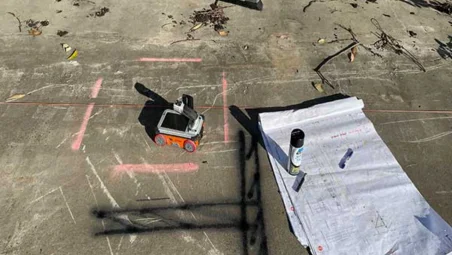
Engaging professional Concrete Scanning in Sydney before drilling provides clarity and certainty. Using non-destructive methods, scanning identifies embedded elements, enabling work to be planned safely and accurately.

Professional scanning allows teams to:

  • Confirm safe drilling zones
  • Adjust penetration locations before work begins
  • Protect structural integrity
  • Reduce safety risks
  • Maintain programme certainty

This is particularly important on complex or high-risk sites, including multi-storey buildings, infrastructure assets and occupied facilities.

The Role of GPR in Modern Construction

GPR Scanning services in Sydney use Ground Penetrating Radar to detect objects within concrete by transmitting high-frequency radio waves and interpreting reflected signals.

When applied correctly, GPR can identify:

  • Post-tension and pre-tension cables
  • Reinforcement layout
  • Conduits and services
  • Slab thickness and cover
  • Structural anomalies such as voids

The value of GPR lies not only in detection, but in accurate interpretation. Experienced technicians and engineers understand how to distinguish critical elements from background noise and construction artefacts.

Why “Guesswork” Is No Longer Acceptable

Historically, trades relied on experience, assumptions or limited drawings. In today’s environment, this approach is increasingly risky.

Sydney construction sites are:

  • More complex
  • More densely serviced
  • More regulated
  • Less tolerant of avoidable incidents

Scanning replaces uncertainty with verified information, allowing decisions to be made confidently and defensibly.

Answering Common Questions

Is concrete scanning really necessary before drilling?
Yes. Concrete almost always contains hidden services or reinforcement. Scanning identifies these risks before damage occurs.

Can drawings replace concrete scanning?
No. Drawings may be outdated or incomplete. Scanning confirms actual site conditions.

What happens if a post-tension cable is hit?
It can cause structural damage, safety incidents and require immediate engineering intervention.

Is scanning only needed on large projects?
No. Even small penetrations can cause major issues if services or reinforcement are struck.

The Bottom Line

Skipping concrete scanning before drilling is one of the most common and costly mistakes on Sydney construction sites. The risks extend beyond immediate damage to include safety incidents, structural compromise, compliance exposure and project delays.

Professional scanning is a practical, proven way to manage these risks. It supports safer work practices, better decision-making and long-term asset performance.

In a construction environment where accuracy, safety and accountability matter more than ever, drilling blind is no longer an acceptable option.

Increase Your Property’s Resale Value with Expert Concrete Resurfacing in Sydney

Category: News

Concrete resurfacing in Sydney

Are you opting for property selling? Thinking of ways to increase the property value?

Every homeowner looks for ways to increase the property’s selling value. Even property investors focus on property renovation to get the best seller and price.

In Sydney, one of the best and proven ways to get the best value is concrete resurfacing. Concrete resurfacing in Sydney helps restore the structural integrity and address any structural deformities. From internal flooring to an externally appealing driveway, concrete resurfacing is the ultimate solution for upgrading your home. Additionally, it is not only suitable for residential buildings but also for commercial buildings.

Explore ways to enhance the home’s value with this process and get the best value for your property. 

Ways to beautify the home with concrete

  1.  Enhance the outdoor space.

In Sydney, most houses have an outdoor living area, which is the most preferred location for families. Enhancing the place with concrete resurfacing is the best idea. Decorative driveways, well-designed pathways, pool railings or alfresco are the best ways to beautify the space.

  1.  Permanent fence with concrete

To boost your home’s resale value, permanent fencing is a good idea. Some people prefer posts made of concrete, while others make a fence entirely of concrete. Whichever option you choose, it makes the wall sturdy and hard to break.

  1.  Add concrete steps to the front door.

Sydney is an area of high precipitation. Adding concrete stairs would improve drainage and enhance the front yard’s appearance. You can also imitate the cobbled pathway look even with the stairs.

  1.  Polished concrete flooring

Polished concrete floors are popular for their low maintenance and durability. Such flooring is highly resistant to any wear and tear. They impart the modern flooring look and enhance the overall look of the house. If you prefer contemporary designs for your home, it is a perfect choice.

  1.  A designed driveway

When it comes to selling properties, the first impression matters. So having a designed driveway raises a lot of issues. Concrete resurfacing in Sydney can enhance the driveway’s look in numerous ways. It imparts a premium look that transforms the entire exterior.

  1.  Concrete edge curves

They are the best for making planters or garden beds in garden areas. Just a concrete edge can transform the overall look of your yard. It provides a distinction between the grass area and the planter area.

Conclusion

Concrete can create magic in your property that you can ever imagine. CES Sydney offers customised services to clients. We provide a tailored plan that perfectly meets the needs of your project. We are the trusted professionals who guarantee the best concrete resurfacing service.

Check the website to book right now.

We also conduct structural and material testing to ensure compliance and provide assurance. Contact our professionals for more information about concrete repairing and resurfacing.

Top Benefits of Polyurethane Crack Injection for Residential and Commercial Buildings

Category: News

Polyurethane Crack Injection

Concrete is a strong material for construction work. It is the primary material for building foundations, pathways, driveways, and various other building works. However, over time and under extreme weather conditions, concrete can develop issues. Problems like cracks, scaling, spalling, and discolouration are among them. They require proper repair and maintenance.

There are numerous solutions available, but Polyurethane plays a significant role in repairing concrete cracks and scaling problems. It is a revolutionary method that effectively fills and seals concrete gaps, preventing further damage to the concrete for a specified period.

This blog explains the benefits of Polyurethane crack injection in Sydney (commonly called PU injection) and where to avail the service.

What is PU crack injection?

Polyurethane is a grout material formed by combining the hardener and resin. Traditional grout is composed of water, sand, and cement. Compared to conventional grouts, PU is more durable.

Resin and hardener form a mixture that is flexible yet quite hard. It is applied in concrete cracks and small gaps between countertops, backsplashes, etc., to fill them. Contractors, builders, and homeowners love Polyurethane crack injection in Sydney since it is long-lasting and easy to apply. The best part is that PU can be tinted to match the background colour or tiles, floors, or marbles. You can easily use it at home without making the space look odd.

Benefits of the PU injection

Flexibility

PU is more elastic, making it the ideal choice for grouting concrete surfaces. The resin-hardener mixture is flexible and does not tend to form cracks or leaks.

Waterproofing

Polyurethane is waterproof and prevents water leakage. It prevents water spillage through small cracks or gaps in the concrete. The foam repels water, thus making it an excellent choice for waterproofing.

Durable

Polyurethane is more durable than any other crack-filling option. Traditional grouting can break over a shorter span, whereas PU can last longer without causing further damage to the concrete.

Effortless solutions

The process of injecting PU does not require any evacuation. On the other hand, if you are applying traditional grouting, the homeowners need to evacuate the space. PU is a non-invasive process that can be completed successfully without any disruption, evacuation, or much effort.

Cost-effective solutions

Last but not least, this is also an affordable option available for grouting. As it is applied without any other construction work, it leads to much lower labour costs.

Environment-friendly

Polyurethane is environmentally friendly, producing less waste and causing no environmental damage.

Conclusion

CES Sydney offers comprehensive repair and other construction-based services by engineering-led contractors for the best service. We take the best care of our customers’ issues so they can get effective long-term solutions. To book an appointment with the experienced contractors in Sydney, visit the website right now.

Structural Engineering Forensic Investigations: What Are They?

Category: News

Structural Engineering Forensic Investigations

Your home or commercial property is one of your most valuable assets, which is why every property owner wants it to stay safe and strong. However, over the years, minor, damaging signs start to appear, such as cracks in walls, uneven floors, doors that do not close properly, or rust on steel, and as usual, we ignore them. Over time, these minor damages can escalate into significant issues, posing serious safety risks if not addressed promptly.

This is precisely where a structural engineering investigation becomes necessary. It is a health check-up for your building. This process is used to determine the real reason for a building’s damage and subsequently repair it.

Here,wewillcoverwhatstructuralforensicinvestigationsare,howthey work, and why they matter for the safety and longevity of your property.

Complete Guide on Structural Engineering Investigation: What is a Structural Engineering Investigation?

A structural engineering forensic investigation is basically a deep check-up of your buildings to find out why they are showing damage or any minor issues. The forensic structural engineers examine walls, floors, foundations, and slabs, and identify hidden problems before they worsen.

This check-up provides practical, long-term solutions, helping property owners fix existing problems and prevent similar issues from happening again.

Forensic Structural Engineers Help Property Owners Fix Damages

Here is precisely what they do,

  1. GPR Slab Scanning: They See Inside the Floor: Buildings have concrete floors and ceilings with steel inside. You cannot see what’s going on inside. Their engineers use special scanning tools to determine if the steel is strong enough, if it has rusted, or if there are hidden problems, all without breaking the concrete.
  2. Grouting Works: Startto Fillthe Weak Spots: If joints, panels, or steel cables were not correctly filled with cement during construction, the building can become weak. Experts fill these properly to make the structure strong again.
  3. Tendon Truncations: Add Things Safely: When adding stairs, lifts, or new rooms to a building with strong concrete floors, the steel inside may require careful cutting or adjustment. Their engineers do this safely, so the building does not get damaged.
  4. Corrosion Investigation: CheckforRust: Steel inside buildings can rust over time, which weakens the building’s structure. Engineers take this test to determine if the steel remains strong enough.
  5. Dilapidation Reports: It’s Your Building’s Health Report: Their engineering team assesses the overall condition of a building and provides a report that outlines what is safe, where repairs are needed, and potential future issues. In essence, it’s a comprehensive health check for your property.

Inshort, a structural engineering investigation helps you identify and repair damage before it becomes serious.

Why Is Structural Engineering Investigation Important?

A small crack might now seem harmless, but it can turn into a bigger problem if ignored.A proper investigation ensures your building remains safe, thereby preventing any property and human loss.

When Should You Schedule a Structural Investigation?

You should arrange an investigation if you notice:

  • Cracks in walls, floors, foundations, or ceilings
  • Uneven or sagging floors
  • Rust, corrosion, or water leakage issues
  • Signs of material deterioration or structural movement

Even minor symptoms can indicate deeper problems. Early diagnosis helps avoid costly repairs later.

Need A Property Check-Up?

At Concrete Engineering Solutions, we bring over three decades of experience in structural and forensic engineering investigations in Sydney. Our practical, affordable, and science-backed solutions help you maintain the integrity of your property and ensure long-term safety.

If you’ve noticed any cracks, corrosion, or movement in your building, don’t wait.

Contact Concrete Engineering Solutions today or book an inspection online to schedule your professional structural engineering investigation and keep your property safe, strong, and compliant.

Thispropertycheck-upisnotjustatechnicalcheck-up;ithelpspreventminorissues from becoming serious safety problems, it protects your property from future loss, and gives you peace of mind.

Published
Categorized as News

Concrete Repair in Sydney: Essential Services for Industrial Properties

Category: News

Structural Engineering Consultant

Explore the importance of concrete repair services in Sydney for industrial properties. Understand how professional concrete repair ensures safety, longevity, and cost savings for your business.

Why Concrete Repair is Crucial for Industrial Properties in Sydney

Concrete is one of the most commonly used materials in industrial construction, and its durability plays a crucial role in the safety and functionality of your property. Over time, however, concrete structures in industrial settings are subject to wear and tear, exposure to harsh chemicals, and heavy loads, which can lead to cracks, spalling, and other forms of damage. Concrete repair in Sydney is essential for maintaining the integrity and longevity of your industrial property.

Common Concrete Issues in Industrial Facilities

Industrial properties face unique challenges when it comes to maintaining concrete surfaces. Below are some of the most common concrete issues that occur in industrial environments:

Concrete Cracking

Cracks in concrete are one of the most frequent issues that industrial facilities encounter. These cracks can form due to various factors, such as thermal expansion, settling of the foundation, or the use of low-quality concrete. If not addressed promptly, cracks can worsen over time and cause safety hazards or equipment malfunctions.

Concrete Spalling

Spalling occurs when the surface layer of concrete begins to peel, chip, or flake off. This can be caused by factors such as freeze-thaw cycles, water infiltration, or the use of de-icing salts. In industrial settings, spalling can compromise the structural integrity of floors, walls, and load-bearing surfaces, leading to expensive repairs and downtime.

Corrosion of Reinforcement Bars (Rebar)

When concrete is exposed to moisture or chemicals, it can cause the steel reinforcement bars (rebar) within the concrete to corrode. This corrosion weakens the concrete structure and leads to further damage, such as cracking or delamination. This is a significant concern for industrial buildings that are exposed to heavy machinery, chemicals, and environmental stressors.

How Concrete Repair Services Can Benefit Your Industrial Property

Addressing concrete issues quickly and efficiently can save you significant time, money, and potential safety concerns. Here’s how concrete repair services in Sydney can benefit your industrial property:

Improved Structural Integrity

Professional concrete repair services can restore the strength and durability of your concrete surfaces, ensuring that your property is safe and functional. By addressing issues like cracks, spalling, and corrosion, concrete repair services help prevent further damage, reducing the risk of structural failure.

Enhanced Safety for Workers

Cracked or damaged concrete surfaces pose a significant risk to the safety of employees and visitors in an industrial facility. Uneven floors, exposed rebar, or unstable foundations can lead to accidents, injuries, and liability concerns. By investing in concrete repair, you ensure that your workplace remains safe and compliant with health and safety regulations.

Cost Savings in the Long Term

Delaying concrete repairs can lead to more severe damage and higher repair costs in the future. Regular maintenance and timely repairs can extend the life of your concrete structures, preventing the need for costly full replacements. Additionally, fixing concrete issues early helps avoid business downtime, ensuring that operations run smoothly.

Types of Concrete Repair Services for Industrial Properties

There are several types of concrete repair techniques used in Sydney, each designed to address specific types of damage. Here are some of the most common methods used for industrial concrete repair:

Crack Injection

Crack injection is a highly effective method for repairing cracks in concrete. This technique involves injecting a special epoxy or polyurethane resin into the cracks to seal them and restore the concrete’s structural integrity. It is commonly used for repairing small to medium-sized cracks in floors, walls, and foundations.

Concrete Resurfacing

If your concrete surfaces are severely damaged or worn, resurfacing can restore them to their original condition. A fresh layer of concrete or polymer-based material is applied to the surface, providing a new, smooth, and durable finish. This method is ideal for large industrial floors or surfaces that have been exposed to high traffic or heavy machinery.

Corrosion Protection

For concrete structures that are suffering from rebar corrosion, corrosion protection techniques are essential. These services involve treating the exposed rebar and applying protective coatings to prevent further corrosion. In some cases, additional reinforcement may be necessary to restore the structural integrity of the concrete.

Concrete Injection Grouting

This method is used to fill voids or cavities within concrete structures. Grouting involves injecting a special mixture into the concrete to fill any gaps and ensure that the concrete remains strong and stable. This technique is commonly used for foundation repairs and large-scale industrial facilities.

Choosing the Right Concrete Repair Service in Sydney

When selecting a concrete repair provider for your industrial property, it’s important to choose a company with expertise and experience in handling industrial-scale projects. Here are some factors to consider when selecting the right service provider:

Experience in Industrial Concrete Repair

Look for a provider with a proven track record in industrial concrete repair. Industrial properties have unique requirements, and it’s essential to choose a company that has the necessary expertise to address complex repair needs.

Use of High-Quality Materials and Equipment

Ensure that the concrete repair provider uses high-quality materials and equipment to complete the repairs. The quality of the repair materials directly impacts the longevity and effectiveness of the repairs.

Timely and Efficient Service

In industrial settings, downtime can be costly. Choose a concrete repair service that can complete the work promptly without compromising on quality. An efficient service provider will minimise disruptions to your business operations while delivering effective results.

Conclusion

Concrete repair is a vital aspect of maintaining the safety, functionality, and longevity of industrial properties in Sydney. From addressing cracks and spalling to protecting against corrosion, professional concrete repair services can help ensure your concrete structures remain strong and safe. By investing in regular maintenance and timely repairs, you can safeguard your industrial property from costly damage and ensure smooth business operations for years to come.

Published
Categorized as News

Role of a Structural Engineering Consultant

Category: News

structural engineering consultant

In the construction industry, the foundation of any durable and safe structure lies in expert structural engineering. The primary goal of structural engineering is to ensure that buildings and infrastructures are stable, safe, and capable of withstanding various forces over time. At Concrete Engineering Solutions (CES), we are dedicated to excellence in structural engineering consulting. This blog explores the vital contributions of a structural engineering consultant and their importance in the success of construction projects.

Understanding Structural Engineering

Structural engineering is a specialised field within civil engineering that focuses on the framework of structures. It involves designing, analysing, and constructing buildings and infrastructures that can resist loads and forces. The main objective of structural engineering is to ensure the strength and stability of a structure, guaranteeing its safety throughout its lifespan. This involves considering material strength, load-bearing capacity, and environmental factors.

The Role of a Structural Engineering Consultant

A structural engineering consultant provides expert advice and solutions during the planning, design, and construction phases of a project. Their role includes a variety of responsibilities, all aimed at ensuring the integrity and longevity of a structure.

Design and Planning:

Consultants collaborate with architects and other stakeholders from the project’s outset, developing detailed design plans. They use advanced modelling software to create structures that are functional, aesthetically pleasing, and cost-effective.

Load Analysis and Calculations:

   – Consultants perform critical load analysis and calculations, assessing forces such as gravity, wind, seismic activity, and human use. This ensures the design can withstand these forces without compromising safety.

Material Selection:

Choosing the right materials is crucial. Consultants evaluate materials based on strength, durability, and cost-effectiveness, ensuring the structure meets required standards and performs well over time.

Regulatory Compliance:

Consultants are knowledgeable about local, national, and international building codes and standards. They ensure the project complies with all relevant regulations, essential for obtaining necessary approvals and avoiding legal issues.

Construction Supervision:

During construction, consultants oversee the process, working closely with contractors to ensure adherence to design specifications and quality standards. This helps prevent deviations that could compromise the structure’s integrity.

Why Structural Engineering Consultants Are Essential

Safety Assurance:

Ensuring the safety of the structure and its occupants is the primary responsibility of a structural engineering consultant. By meticulously analysing and designing structural components, they prevent potential failures and accidents.

Cost Efficiency:

Consultants optimise material and resource use, leading to cost savings without sacrificing quality. Their expertise in efficient design and material selection enhances the project’s economic viability.

Sustainability:

Modern structural engineering practices emphasize sustainability. Consultants incorporate environmentally friendly materials and design solutions that reduce the construction project’s carbon footprint, benefiting the environment and enhancing long-term performance.

Innovation:

Structural engineering consultants bring innovative solutions to complex challenges. Their expertise allows them to devise creative approaches that push the boundaries of traditional construction methods, resulting in cutting-edge structures.

The main purpose of structural engineering is to create safe, stable, and enduring structures. Structural engineering consultants are integral to achieving this goal, offering expertise that spans design, analysis, material selection, and construction supervision. At CES, our consultants are committed to delivering exceptional service, ensuring every project stands the test of time. Whether it’s a towering skyscraper or a cherished heritage structure, trust CES to provide the structural engineering solutions you need for success.

Published
Categorized as News

Strengthening Concrete Structures with Carbon Fibre Reinforcement

Category: News

strengthening concrete structures

Concrete structures are long-lasting; however, after some time, it may become necessary to reinforce them to avoid collapse and enhance their load-carrying capacity. Traditionally, this has been done through expensive and tedious replacement and demolition procedures. However, with the advancing technology, Carbon Fibre Reinforced Polymer is a revolutionary alternative. 

At CES, we engage in Carbon Fibre Strengthening, and through it, clients obtain a cost-effective and is minimally destructive means to reinforce their structure. We can ably improve the strength and ability of concrete beams, suspended slabs, and structural columns without the additional labor often required in the routine purchase and installation of new steel plates.
Title: Strengthening Concrete Structures with Carbon Fibre Reinforcement: A Game-Changing Service by CES

What makes CFRP such a game-changer is its exceptional strength-to-weight ratio and durability. CFRP is incredibly robust, making it an ideal material for reinforcing concrete structures. By applying CFRP externally, we can strengthen existing structures without disrupting daily operations or causing extensive downtime.

Our approach to Carbon Fibre Strengthening is both innovative and proven. We understand that each project is unique, so we tailor our techniques to suit the specific requirements of our clients. Whether it’s reinforcing beams in a commercial building or strengthening structural columns in a bridge, CES has the expertise and resources to deliver outstanding results.

When you choose CES for your Carbon Fibre Strengthening needs, you can expect:

1. Expertise: Our team consists of experienced professionals who specialize in CFRP applications. We have the knowledge and skills to handle projects of any scale or complexity.

2. Innovative Solutions: We stay at the forefront of industry advancements, constantly seeking new and improved methods for CFRP reinforcement. Our innovative solutions ensure optimal performance and longevity for your structures.

3. Minimal Disruption: We understand the importance of minimizing disruption to your operations. With our Carbon Fibre Strengthening service, you can continue with business as usual while we enhance the strength and resilience of your concrete structures.

4. Cost-Effectiveness: CFRP reinforcement offers a cost-effective alternative to traditional methods such as demolition and replacement. By choosing CES, you’ll save both time and money without compromising on quality.

If you’re interested in learning more about our Carbon Fibre Strengthening service or would like to discuss a specific project, don’t hesitate to contact us. Reach out to our team via email at info@cessydney.com.au. Let CES be your partner in strengthening and fortifying your concrete structures for the future.

Published
Categorized as News