
Concrete Engineering Solutions
The Impact of Sydney’s Marine Environment on Reinforced Concrete Structures and Why Carbon Fibre Strengthening Is Becoming a Preferred Remediation Strategy
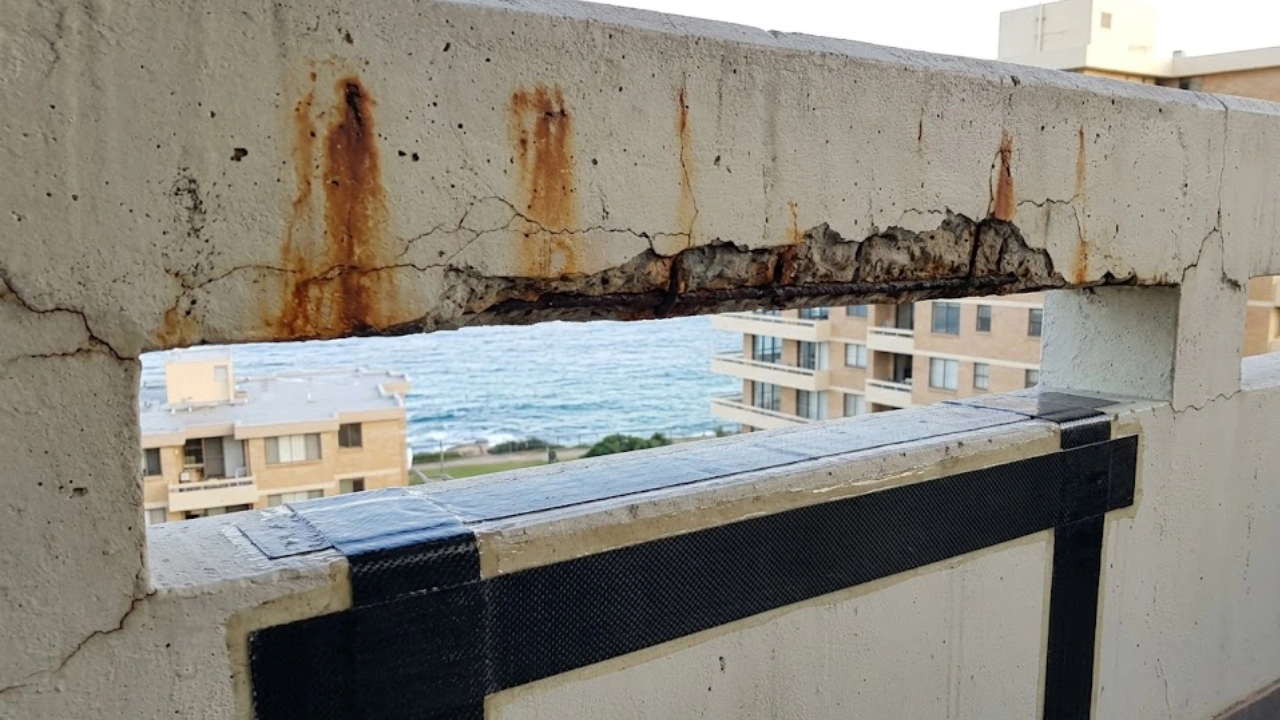
Sydney’s coastline is one of the city’s defining features. From residential apartments overlooking the ocean to commercial developments near the harbour, coastal locations remain highly sought after. While these environments offer significant lifestyle and investment benefits, they also present unique challenges for reinforced concrete structures.
Marine conditions can accelerate concrete deterioration, creating structural concerns that require timely intervention. Over the past decade, engineers and property owners have increasingly turned to advanced strengthening solutions to address these issues. Among the available options, carbon fibre reinforcement has gained significant attention due to its performance, durability, and practical application.
As many of Sydney’s buildings continue to age, understanding the relationship between marine exposure and structural deterioration has become more important than ever.
Why Marine Environments Are Challenging for Concrete Structures
Concrete is often viewed as a highly durable construction material. While it can perform exceptionally well for decades, it is not immune to environmental exposure.
Buildings located near the coast face constant contact with:
- Salt laden air
- High humidity
- Wind driven rain
- Temperature fluctuations
- Moisture penetration
These conditions create an aggressive environment for reinforced concrete.
Over time, chloride particles from sea spray settle on concrete surfaces. These chlorides gradually penetrate the concrete and reach the embedded steel reinforcement. Once this process begins, the risk of corrosion increases significantly.
How Chloride Exposure Leads to Structural Damage
Steel reinforcement is protected by the naturally alkaline environment within concrete. This protective condition helps prevent corrosion during normal service life.
When chlorides penetrate deep enough into the concrete, they disrupt this protective layer around the steel.
Once corrosion starts, the steel begins to expand.
This expansion creates pressure within the surrounding concrete, often leading to:
- Cracking
- Delamination
- Concrete spalling
- Surface deterioration
- Reduced structural capacity
The damage often develops slowly at first but can accelerate if moisture continues to enter the structure.
Why Sydney Buildings Are Particularly Vulnerable
Sydney’s coastal suburbs experience continuous exposure to marine conditions throughout the year.
Properties located near areas such as:
- Bondi
- Coogee
- Manly
- Cronulla
- Brighton Le Sands
- Parramatta River precincts
- Sydney Harbour foreshore locations
may experience increased exposure to airborne chlorides and moisture.
Many buildings constructed several decades ago were not designed with the same protective technologies available today. As these structures age, their vulnerability to marine related deterioration often increases.
Common Signs of Marine Related Concrete Deterioration
Property owners and facility managers should remain alert to early warning signs.
Some of the most common indicators include:
Visible Sign | Potential Cause |
|---|---|
Rust stains | Corrosion of reinforcement |
Cracked concrete | Expansion of corroded steel |
Concrete spalling | Internal steel deterioration |
Surface delamination | Loss of concrete bond |
Water ingress | Failed waterproofing |
Exposed reinforcement | Advanced deterioration |
Early identification often allows repairs to be completed before structural damage becomes more extensive.
The Financial Impact of Delayed Repairs
Many building owners delay remediation until visible damage becomes severe. Unfortunately, this approach often leads to higher repair costs.
As corrosion progresses, affected structures may require:
- Extensive concrete removal
- Reinforcement replacement
- Waterproofing upgrades
- Structural strengthening
- Ongoing monitoring
Repair costs generally increase as deterioration spreads throughout the structure.
Addressing issues early can help minimise both financial and operational impacts.
Why Traditional Repair Methods Are Not Always Enough
Conventional repair methods have been used successfully for many years. These may include concrete patch repairs, steel plate bonding, or structural steel additions.
While effective in some situations, traditional methods can present certain challenges.
These may include:
- Additional structural weight
- Increased installation time
- Greater disruption to occupants
- Space limitations
- Long construction programs
Modern building owners often seek solutions that provide strong structural performance while reducing disruption and project complexity.
The Rise of Carbon Fibre Reinforcement
Carbon fibre technology has become increasingly popular within the structural remediation industry.
The material consists of extremely strong fibres that are bonded to concrete surfaces using specialised resins. Once installed, the carbon fibre works with the existing structure to improve load carrying capacity and overall performance.
The technology has been successfully used across a wide range of applications including:
- Apartment buildings
- Commercial offices
- Car parks
- Bridges
- Industrial facilities
- Infrastructure projects
Its versatility and performance have made it a preferred strengthening solution for many remediation projects.
Why Carbon Fibre Is Well Suited to Marine Environments
One of the key advantages of carbon fibre systems is their resistance to corrosion.
Unlike steel based strengthening methods, carbon fibre does not rust when exposed to moisture or chlorides.
This characteristic makes it particularly attractive for structures located in marine environments.
Additional benefits include:
Lightweight Installation
Carbon fibre adds minimal weight to existing structures.
High Strength Performance
The material provides exceptional tensile strength while remaining thin and unobtrusive.
Faster Installation
Projects can often be completed more efficiently compared to traditional strengthening methods.
Reduced Building Disruption
Many installations can be completed with minimal impact on building occupants.
Long Term Durability
The material performs well in challenging environmental conditions.
These advantages have contributed to the growing demand for structural reinforcement using carbon fibre systems.
How Engineers Assess Structures Before Strengthening
Before any strengthening work begins, engineers typically conduct detailed assessments to determine the condition of the structure.
This process may include:
- Visual inspections
- Concrete scanning
- Structural analysis
- Corrosion assessments
- Load capacity evaluations
- Condition reporting
The goal is to identify the root cause of deterioration and develop an appropriate remediation strategy.
Every structure presents different challenges, making professional assessment an essential part of the process.
Carbon Fibre Strengthening in Sydney Is Supporting Asset Life Extension
One of the biggest priorities for property owners today is extending the lifespan of existing assets.
Complete demolition and reconstruction are often expensive and disruptive options.
Strengthening existing structures allows owners to:
- Extend service life
- Improve structural performance
- Reduce maintenance costs
- Improve asset value
- Minimise disruption to occupants
For many projects, carbon fibre strengthening in Sydney has become an effective solution for achieving these goals while maintaining operational continuity.
PRO TIP
Concrete repairs alone may not always solve the underlying structural issue. If reinforcement has been weakened by corrosion, strengthening measures may also be required to restore long term performance.
Things to Remember
- Marine environments increase the risk of reinforcement corrosion.
- Chloride exposure can accelerate concrete deterioration.
- Early signs of damage should never be ignored.
- Delayed repairs often lead to higher costs.
- Corrosion resistant strengthening systems provide long term benefits.
- Professional assessments help identify the most effective remediation strategy.
The Future of Structural Remediation in Coastal Sydney
As Sydney’s coastal building stock continues to age, the demand for advanced remediation solutions is expected to grow.
Property owners, strata managers, and commercial asset managers are increasingly seeking repair methods that deliver durability, efficiency, and long term value.
Carbon fibre reinforcement continues to gain momentum because it addresses many of the limitations associated with traditional strengthening techniques while providing excellent structural performance.
For buildings exposed to challenging marine conditions, this technology is becoming an important part of modern remediation strategies.
Need Expert Structural Advice?
Marine related concrete deterioration can progress quietly before visible signs appear. Early intervention is often the most effective way to protect structural integrity and avoid major repair costs.
At Concrete Engineering Solutions, we assist property owners, strata managers, builders, and commercial asset managers with structural assessments, remediation planning, and strengthening solutions tailored to each project’s requirements.
If your building is showing signs of concrete deterioration, corrosion, or structural distress, contact Concrete Engineering Solutions for professional advice and practical solutions designed to protect your asset for years to come.