
Concrete Engineering Solutions
Why Some Concrete Repairs Fail Within 2 Years and How to Avoid It?
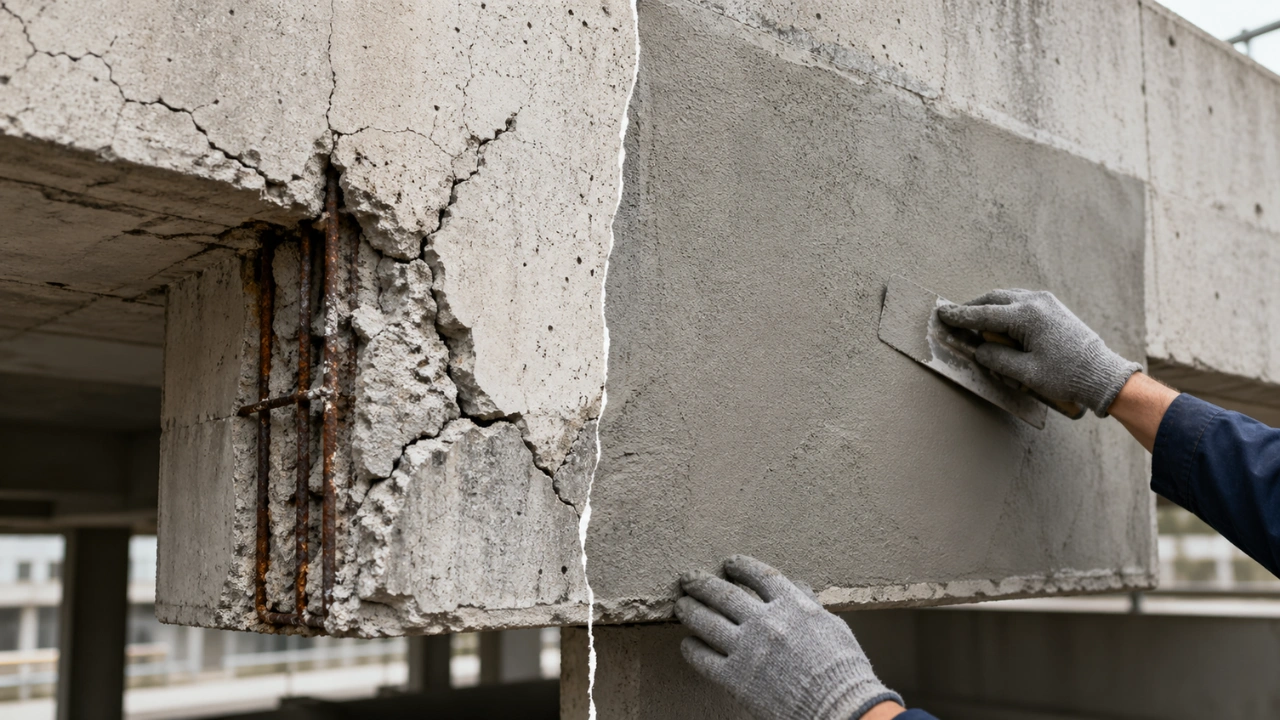
Concrete repairs are expected to last. When they fail within a short time, it is rarely due to bad luck. In most cases, something important was missed during assessment, preparation, or application.
Across many buildings in Sydney, early repair failure is a common issue. You may see the same crack return, patch areas breaking away, or water finding its way back through previously repaired sections.
The problem is not always the repair itself. It is often the process behind it.
Why Early Failure Happens More Often Than Expected
Concrete behaves differently depending on its environment, age, and structural role. A repair that works in one situation may fail in another.
In Sydney, buildings are exposed to moisture, temperature variation, and in some areas, coastal salt. These factors affect how concrete deteriorates and how repairs perform over time.
When repairs are done without understanding these conditions, failure becomes likely.
The Most Common Causes of Repair Failure
1.Treating the Surface Instead of the Cause
One of the most frequent mistakes is repairing what is visible without identifying what caused the damage.
A crack may be sealed, but if the structure is still moving, that crack will return. A patch may be applied, but if corrosion is active underneath, the repair will fail from within.
Proper diagnosis always comes before repair.
2.Poor Surface Preparation
Concrete repairs depend heavily on how well the surface is prepared.
If loose material, dust, or contaminated concrete is not removed properly, the new repair material cannot bond effectively. Over time, the repair begins to separate.
Good preparation is not optional. It is essential.
3.Ignoring Moisture Conditions
Moisture plays a major role in repair performance.
If water is still entering the structure, repairs will not last. This is especially common in basements, balconies, and exposed slabs.
Moisture can weaken bonding and continue to drive deterioration behind the repaired area.
4.Using the Wrong Repair Method
Not all repairs are the same. A structural crack requires a different solution compared to a surface defect.
Using a simple patch where injection is needed, or applying the wrong material for the exposure conditions, leads to early failure.
5.Lack of Structural Understanding
Concrete is part of a structural system. Repairs should consider how loads are transferred and how the element is performing.
Without this understanding, repairs may look correct but fail to restore actual performance.
This is where many Concrete Repair Works fall short.
How Sydney Conditions Affect Repair Durability
Local conditions matter more than most people realise.
In Sydney, several factors influence how repairs behave:
- High rainfall can lead to ongoing moisture exposure
- Coastal areas experience chloride attack from salt air
- Older buildings may have lower concrete cover over reinforcement
- Temperature changes can cause movement and expansion
These conditions need to be considered before selecting any repair method.
Signs That a Repair May Fail Early
Some warning signs appear even before failure becomes obvious.
You should pay attention if you notice:
- Cracks reappearing in the same location
- Edges of repair areas lifting or separating
- Rust staining near repaired zones
- Damp patches returning after repair
- Hollow sound when tapping repaired surfaces
These are indicators that the underlying issue has not been resolved.
What Proper Repair Should Involve
A durable repair follows a structured process. Skipping steps often leads to failure.
A typical approach includes:
- Identifying the root cause of the damage
- Assessing whether the issue is structural or surface level
- Removing all weak or contaminated concrete
- Treating any exposed reinforcement
- Selecting the correct repair method and material
- Ensuring proper curing and protection
This level of attention is what separates short term fixes from long term solutions.
Surface Repair vs Structural Repair
Aspect | Surface Repair | Structural Repair |
|---|---|---|
Purpose | Improve appearance | Restore strength |
Depth | Shallow | Full depth or through section |
Method | Patching or coating | Injection or rebuilding section |
Durability | Short to medium term | Long term if done correctly |
Risk if ignored | Cosmetic damage | Structural deterioration |
Understanding this difference is critical before any repair begins.
PRO TIP
If a crack or defect returns after repair, do not repair it again in the same way.
Repeated repairs usually mean the real cause has not been addressed.
Why Professional Assessment Matters
Before carrying out concrete repair works in Sydney, it is important to understand how the structure is behaving.
An experienced team will look beyond visible damage. They assess load conditions, material performance, and environmental exposure before recommending a solution.
This approach avoids repeated repair cycles and ensures the work lasts.
Avoiding Repeat Repairs
To avoid repairs failing within two years, focus on the following:
- Always identify the cause before repair
- Do not ignore moisture or corrosion
- Use repair methods suited to the defect
- Ensure proper preparation and application
- Seek engineering input for structural issues
When these steps are followed, repairs are far more reliable.
When to Act
If you are already seeing signs of repair failure, early action can prevent further damage.
Delaying repair allows deterioration to continue. This increases both cost and complexity.
Professional Concrete Repair in Sydney should always aim to fix the problem once, not repeatedly.
If your concrete repairs are failing or showing signs of deterioration, it is time to take a closer look at the cause.
Concrete Engineering Solutions provides expert assessment and repair services across Sydney for commercial, industrial, residential and strata buildings.
Speak with our team today and get a clear understanding of what is happening in your structure and how to fix it properly.
Frequently Asked Questions
Why do concrete repairs fail so quickly?
Most failures happen because the root cause was not identified. Surface repairs without addressing movement, moisture, or corrosion often fail early.
How long should a concrete repair last?
A properly executed repair can last many years. Short term failure usually indicates poor preparation, incorrect method, or ongoing structural issues.
Is it normal for cracks to come back after repair?
No. If cracks return, it usually means the structure is still moving or the repair method was not suitable.
Can moisture affect concrete repair?
Yes. Moisture is one of the main reasons repairs fail. It must be controlled before and during the repair process.
Do all repairs need engineering assessment?
Not all, but structural issues should always be assessed before repair. This ensures the solution is appropriate and long lasting.