Concrete Engineering Solutions

Concrete Repair in Sydney: Essential Services for Industrial Properties

Category: News

Structural Engineering Consultant

Explore the importance of concrete repair services in Sydney for industrial properties. Understand how professional concrete repair ensures safety, longevity, and cost savings for your business.

Why Concrete Repair is Crucial for Industrial Properties in Sydney

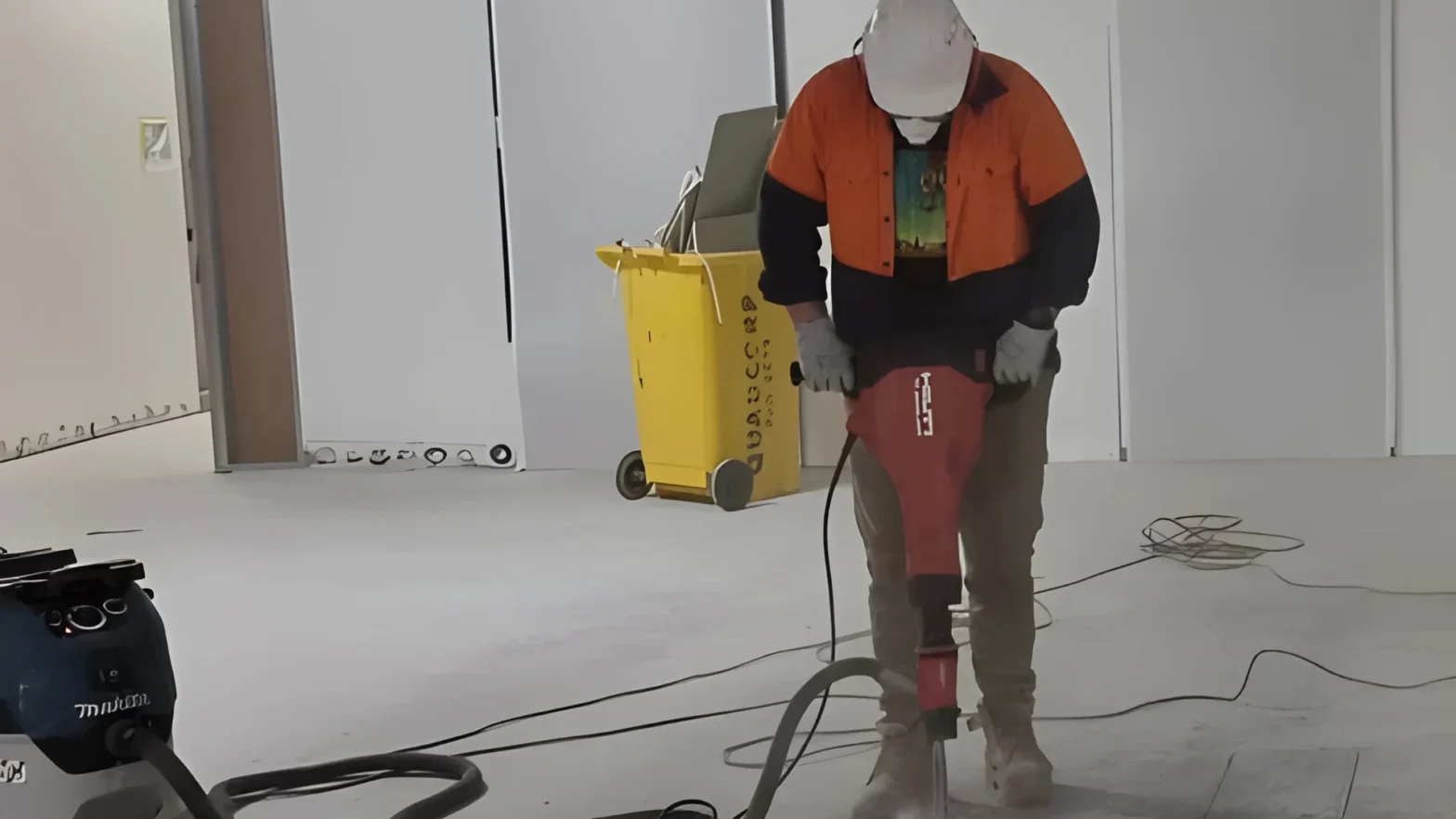
Concrete is one of the most commonly used materials in industrial construction, and its durability plays a crucial role in the safety and functionality of your property. Over time, however, concrete structures in industrial settings are subject to wear and tear, exposure to harsh chemicals, and heavy loads, which can lead to cracks, spalling, and other forms of damage. Concrete repair in Sydney is essential for maintaining the integrity and longevity of your industrial property.

Common Concrete Issues in Industrial Facilities

Industrial properties face unique challenges when it comes to maintaining concrete surfaces. Below are some of the most common concrete issues that occur in industrial environments:

Concrete Cracking

Cracks in concrete are one of the most frequent issues that industrial facilities encounter. These cracks can form due to various factors, such as thermal expansion, settling of the foundation, or the use of low-quality concrete. If not addressed promptly, cracks can worsen over time and cause safety hazards or equipment malfunctions.

Concrete Spalling

Spalling occurs when the surface layer of concrete begins to peel, chip, or flake off. This can be caused by factors such as freeze-thaw cycles, water infiltration, or the use of de-icing salts. In industrial settings, spalling can compromise the structural integrity of floors, walls, and load-bearing surfaces, leading to expensive repairs and downtime.

Corrosion of Reinforcement Bars (Rebar)

When concrete is exposed to moisture or chemicals, it can cause the steel reinforcement bars (rebar) within the concrete to corrode. This corrosion weakens the concrete structure and leads to further damage, such as cracking or delamination. This is a significant concern for industrial buildings that are exposed to heavy machinery, chemicals, and environmental stressors.

How Concrete Repair Services Can Benefit Your Industrial Property

Addressing concrete issues quickly and efficiently can save you significant time, money, and potential safety concerns. Here’s how concrete repair services in Sydney can benefit your industrial property:

Improved Structural Integrity

Professional concrete repair services can restore the strength and durability of your concrete surfaces, ensuring that your property is safe and functional. By addressing issues like cracks, spalling, and corrosion, concrete repair services help prevent further damage, reducing the risk of structural failure.

Enhanced Safety for Workers

Cracked or damaged concrete surfaces pose a significant risk to the safety of employees and visitors in an industrial facility. Uneven floors, exposed rebar, or unstable foundations can lead to accidents, injuries, and liability concerns. By investing in concrete repair, you ensure that your workplace remains safe and compliant with health and safety regulations.

Cost Savings in the Long Term

Delaying concrete repairs can lead to more severe damage and higher repair costs in the future. Regular maintenance and timely repairs can extend the life of your concrete structures, preventing the need for costly full replacements. Additionally, fixing concrete issues early helps avoid business downtime, ensuring that operations run smoothly.

Types of Concrete Repair Services for Industrial Properties

There are several types of concrete repair techniques used in Sydney, each designed to address specific types of damage. Here are some of the most common methods used for industrial concrete repair:

Crack Injection

Crack injection is a highly effective method for repairing cracks in concrete. This technique involves injecting a special epoxy or polyurethane resin into the cracks to seal them and restore the concrete’s structural integrity. It is commonly used for repairing small to medium-sized cracks in floors, walls, and foundations.

Concrete Resurfacing

If your concrete surfaces are severely damaged or worn, resurfacing can restore them to their original condition. A fresh layer of concrete or polymer-based material is applied to the surface, providing a new, smooth, and durable finish. This method is ideal for large industrial floors or surfaces that have been exposed to high traffic or heavy machinery.

Corrosion Protection

For concrete structures that are suffering from rebar corrosion, corrosion protection techniques are essential. These services involve treating the exposed rebar and applying protective coatings to prevent further corrosion. In some cases, additional reinforcement may be necessary to restore the structural integrity of the concrete.

Concrete Injection Grouting

This method is used to fill voids or cavities within concrete structures. Grouting involves injecting a special mixture into the concrete to fill any gaps and ensure that the concrete remains strong and stable. This technique is commonly used for foundation repairs and large-scale industrial facilities.

Choosing the Right Concrete Repair Service in Sydney

When selecting a concrete repair provider for your industrial property, it’s important to choose a company with expertise and experience in handling industrial-scale projects. Here are some factors to consider when selecting the right service provider:

Experience in Industrial Concrete Repair

Look for a provider with a proven track record in industrial concrete repair. Industrial properties have unique requirements, and it’s essential to choose a company that has the necessary expertise to address complex repair needs.

Use of High-Quality Materials and Equipment

Ensure that the concrete repair provider uses high-quality materials and equipment to complete the repairs. The quality of the repair materials directly impacts the longevity and effectiveness of the repairs.

Timely and Efficient Service

In industrial settings, downtime can be costly. Choose a concrete repair service that can complete the work promptly without compromising on quality. An efficient service provider will minimise disruptions to your business operations while delivering effective results.

Conclusion

Concrete repair is a vital aspect of maintaining the safety, functionality, and longevity of industrial properties in Sydney. From addressing cracks and spalling to protecting against corrosion, professional concrete repair services can help ensure your concrete structures remain strong and safe. By investing in regular maintenance and timely repairs, you can safeguard your industrial property from costly damage and ensure smooth business operations for years to come.
Published
Categorized as News

Understanding the Building Work Rectification Order in Sydney: A Guide for Homeowners and Builders

Category: News

building work rectification

Learn everything you need to know about Building Work Rectification Orders in Sydney. Discover why they are issued, how they affect your property, and how to address them effectively.

What is a Building Work Rectification Order?

A Building Work Rectification Order (BWRO) is a legal document issued by a local council or the Building Commissioner that mandates property owners or builders to fix issues related to building work. It typically applies when a building project does not meet the required standards or regulations under Australian building codes. If you’re a homeowner or builder in Sydney, it’s crucial to understand how a BWRO can affect your project and how to take action when one is issued.

Why are Building Work Rectification Orders Issued?

Building Work Rectification Orders are issued when construction work doesn’t comply with approved plans, building codes, or safety standards. Some common reasons for receiving a BWRO include:

  • Non-compliance with Australian Building Codes: If the construction doesn’t adhere to the mandatory requirements of the National Construction Code (NCC), a rectification order will be issued.
  • Unsafe Building Practices: When construction work is deemed dangerous or unsafe, councils or regulatory authorities may intervene with a BWRO.
  • Poor Quality of Work: Substandard workmanship or materials used can also trigger a BWRO, as these can compromise the safety and longevity of a structure.
  • Building Without Approval: If construction work was carried out without the necessary permits or approvals from the local council, it could result in a rectification order.

In some cases, a BWRO is issued to protect public safety or to ensure that construction work aligns with local zoning laws.

Consequences of Ignoring a Building Work Rectification Order

Ignoring a BWRO can have serious consequences, both legally and financially. Here are a few potential outcomes if a rectification order is not addressed:

Legal Penalties and Fines

Failure to comply with a BWRO can result in hefty fines and legal action. In extreme cases, builders or property owners who do not rectify issues may face litigation, including being forced to dismantle or rebuild parts of the construction.

Delayed Project Completion

Not addressing a BWRO can delay your project indefinitely. Since councils and the Building Commissioner often set specific timelines for compliance, failing to meet these deadlines can cause significant delays, pushing back your final inspection and occupancy approval.

Increased Costs for Rectification

Delaying the rectification work could lead to an escalation in costs. As time passes, the damage may worsen, leading to more expensive repairs or even requiring a complete overhaul of the problematic areas.

How to Handle a Building Work Rectification Order

When you receive a BWRO, it’s essential to take immediate and proactive steps. Here’s what you can do to resolve the issue:

Review the Order Carefully

Carefully read through the rectification order to fully understand what needs to be corrected. The order will outline specific issues, the required rectifications, and the timeline you must follow. It’s important to consult the relevant authorities or a professional to ensure you understand the terms and requirements of the order.

Seek Professional Advice

If you’re unsure how to proceed, it’s best to consult a qualified building professional, such as a building consultant or a construction lawyer. They can help you interpret the order, assess the extent of the problem, and guide you through the process of rectifying the issues.

Begin Rectification Work

Once you’ve reviewed the order and sought professional advice, begin the necessary work to address the issues. Ensure that all work is done according to the building code and is signed off by the relevant authorities. The rectification work must be carried out by licensed professionals to ensure compliance with regulations.

Notify Authorities Once Rectification is Complete

Once all necessary corrections have been made, inform the council or the relevant authority. They will usually require an inspection to ensure the work has been completed according to their specifications. After the inspection, the BWRO will be closed, and the project can proceed as planned.

Preventing Future Building Work Rectification Orders

While receiving a BWRO can be stressful and costly, there are ways to avoid them in the future. Here are some preventive measures to consider:

Ensure Proper Planning and Approval

Before beginning any construction project, ensure that you have all necessary permits and approvals in place. Work with a qualified architect or builder to ensure your plans meet the requirements of the NCC and local council regulations.

Hire Licensed and Experienced Builders

Hiring experienced and licensed builders will help ensure that the work is carried out to a high standard and complies with all safety and quality regulations. Always check that your contractors are properly licensed and have a proven track record.

Conduct Regular Inspections During Construction

Regular inspections during the building process can help you catch any issues early before they become major problems. This can save you both time and money in the long run, ensuring that your project is completed on schedule and within legal requirements.

Conclusion

A Building Work Rectification Order is a serious issue that requires prompt attention and action. By understanding the reasons for a BWRO and taking the necessary steps to rectify the problems, you can ensure that your building project stays on track. Whether you’re a homeowner or a builder in Sydney, it’s important to stay informed and comply with all building regulations to avoid unnecessary delays and penalties.

Published
Categorized as News

Role of a Structural Engineering Consultant

Category: News

structural engineering consultant

In the construction industry, the foundation of any durable and safe structure lies in expert structural engineering. The primary goal of structural engineering is to ensure that buildings and infrastructures are stable, safe, and capable of withstanding various forces over time. At Concrete Engineering Solutions (CES), we are dedicated to excellence in structural engineering consulting. This blog explores the vital contributions of a structural engineering consultant and their importance in the success of construction projects.

Understanding Structural Engineering

Structural engineering is a specialised field within civil engineering that focuses on the framework of structures. It involves designing, analysing, and constructing buildings and infrastructures that can resist loads and forces. The main objective of structural engineering is to ensure the strength and stability of a structure, guaranteeing its safety throughout its lifespan. This involves considering material strength, load-bearing capacity, and environmental factors.

The Role of a Structural Engineering Consultant

structural engineering consultant provides expert advice and solutions during the planning, design, and construction phases of a project. Their role includes a variety of responsibilities, all aimed at ensuring the integrity and longevity of a structure.

Design and Planning:

Consultants collaborate with architects and other stakeholders from the project’s outset, developing detailed design plans. They use advanced modelling software to create structures that are functional, aesthetically pleasing, and cost-effective.

Load Analysis and Calculations:

   – Consultants perform critical load analysis and calculations, assessing forces such as gravity, wind, seismic activity, and human use. This ensures the design can withstand these forces without compromising safety.

Material Selection:

Choosing the right materials is crucial. Consultants evaluate materials based on strength, durability, and cost-effectiveness, ensuring the structure meets required standards and performs well over time.

Regulatory Compliance:

Consultants are knowledgeable about local, national, and international building codes and standards. They ensure the project complies with all relevant regulations, essential for obtaining necessary approvals and avoiding legal issues.

Construction Supervision:

During construction, consultants oversee the process, working closely with contractors to ensure adherence to design specifications and quality standards. This helps prevent deviations that could compromise the structure’s integrity.

Why Structural Engineering Consultants Are Essential

Safety Assurance:

Ensuring the safety of the structure and its occupants is the primary responsibility of a structural engineering consultant. By meticulously analysing and designing structural components, they prevent potential failures and accidents.

Cost Efficiency:

Consultants optimise material and resource use, leading to cost savings without sacrificing quality. Their expertise in efficient design and material selection enhances the project’s economic viability.

Sustainability:

Modern structural engineering practices emphasize sustainability. Consultants incorporate environmentally friendly materials and design solutions that reduce the construction project’s carbon footprint, benefiting the environment and enhancing long-term performance.

Innovation:

Structural engineering consultants bring innovative solutions to complex challenges. Their expertise allows them to devise creative approaches that push the boundaries of traditional construction methods, resulting in cutting-edge structures.

The main purpose of structural engineering is to create safe, stable, and enduring structures. Structural engineering consultants are integral to achieving this goal, offering expertise that spans design, analysis, material selection, and construction supervision. At CES, our consultants are committed to delivering exceptional service, ensuring every project stands the test of time. Whether it’s a towering skyscraper or a cherished heritage structure, trust CES to provide the structural engineering solutions you need for success.

Published
Categorized as News

Strengthening Concrete Structures with Carbon Fibre Reinforcement

Category: News

strengthening concrete structures

Concrete structures are long-lasting; however, after some time, it may become necessary to reinforce them to avoid collapse and enhance their load-carrying capacity. Traditionally, this has been done through expensive and tedious replacement and demolition procedures. However, with the advancing technology, Carbon Fibre Reinforced Polymer is a revolutionary alternative. 

At CES, we engage in Carbon Fibre Strengthening, and through it, clients obtain a cost-effective and is minimally destructive means to reinforce their structure. We can ably improve the strength and ability of concrete beams, suspended slabs, and structural columns without the additional labor often required in the routine purchase and installation of new steel plates.
Title: Strengthening Concrete Structures with Carbon Fibre Reinforcement: A Game-Changing Service by CES

What makes CFRP such a game-changer is its exceptional strength-to-weight ratio and durability. CFRP is incredibly robust, making it an ideal material for reinforcing concrete structures. By applying CFRP externally, we can strengthen existing structures without disrupting daily operations or causing extensive downtime.

Our approach to Carbon Fibre Strengthening is both innovative and proven. We understand that each project is unique, so we tailor our techniques to suit the specific requirements of our clients. Whether it’s reinforcing beams in a commercial building or strengthening structural columns in a bridge, CES has the expertise and resources to deliver outstanding results.

When you choose CES for your Carbon Fibre Strengthening needs, you can expect:

1. Expertise: Our team consists of experienced professionals who specialize in CFRP applications. We have the knowledge and skills to handle projects of any scale or complexity.

2. Innovative Solutions: We stay at the forefront of industry advancements, constantly seeking new and improved methods for CFRP reinforcement. Our innovative solutions ensure optimal performance and longevity for your structures.

3. Minimal Disruption: We understand the importance of minimizing disruption to your operations. With our Carbon Fibre Strengthening service, you can continue with business as usual while we enhance the strength and resilience of your concrete structures.

4. Cost-Effectiveness: CFRP reinforcement offers a cost-effective alternative to traditional methods such as demolition and replacement. By choosing CES, you’ll save both time and money without compromising on quality.

If you’re interested in learning more about our Carbon Fibre Strengthening service or would like to discuss a specific project, don’t hesitate to contact us. Reach out to our team via email at info@cessydney.com.au. Let CES be your partner in strengthening and fortifying your concrete structures for the future.

Published
Categorized as News