
Concrete Engineering Solutions
Why Concrete Scanning Matters During Building Refurbishments
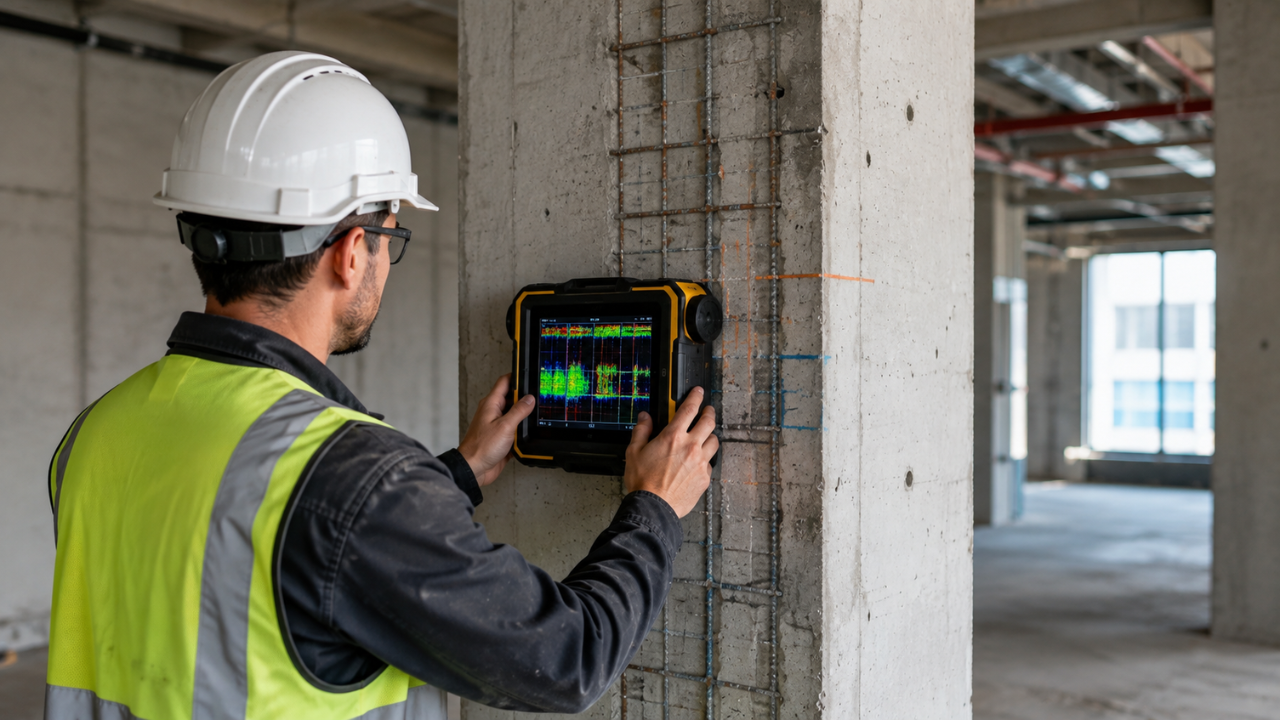
Building refurbishments have become increasingly common across Sydney as property owners look to modernise ageing buildings rather than replace them. Office towers are being upgraded to meet current workplace standards, apartment buildings are undergoing major renovations, and warehouses are being transformed into retail, hospitality, and commercial spaces.
While new finishes and improved layouts often receive the most attention, the success of any refurbishment project depends on what lies beneath the concrete surface. Before drilling, coring, cutting, or installing new services, it is essential to know exactly what is hidden inside the structure. This is why concrete scanning has become one of the most valuable investigation methods used during refurbishment projects.
By providing accurate information before construction begins, concrete scanning helps engineers, builders, and project managers make informed decisions that improve safety, reduce project risks, and avoid unnecessary costs.
Refurbishment Projects Present Different Challenges from New Construction
Working on an existing building is very different from constructing a new one.
In a new project, engineers know exactly where structural reinforcement, services, and other building components have been installed. During a refurbishment, those details may no longer be accurate. Buildings often undergo multiple renovations throughout their lifetime, and previous alterations may not have been fully documented.
A refurbishment project may involve removing walls, installing new services, creating penetrations, or strengthening structural elements. Every one of these activities requires accurate knowledge of what exists inside the concrete.
Without that information, even routine construction work can become a costly risk.
Why Existing Drawings are Not Always Reliable
Many building owners believe original construction drawings provide everything contractors need before starting work.
Unfortunately, this is not always the case.
Construction changes, undocumented repairs, service upgrades, and tenant fit outs can all alter a building over time. Drawings that were accurate thirty years ago may no longer represent current site conditions.
In many commercial buildings, additional electrical conduits, hydraulic services, communication cables, and mechanical systems have been installed during successive refurbishments. Unless these changes have been accurately recorded, relying solely on historical documentation can lead to unexpected problems during construction.
What Can Be Hidden Inside Concrete?
Concrete structures often contain much more than reinforcement.
Depending on the age and purpose of the building, concealed components may include:
- Reinforcing steel
- Post tension tendons
- Electrical conduits
- Water pipes
- Stormwater services
- Fire protection systems
- Data cabling
- Structural beams
Accidentally damaging any of these components can delay construction, increase repair costs, and create serious safety risks.
The Cost of Unexpected Discoveries
Unexpected structural discoveries are among the most common reasons refurbishment projects exceed their original budgets.
Consider the impact of accidentally drilling into a concealed service or structural element.
Unexpected Issue | Possible Consequence |
|---|---|
Damaged reinforcement | Structural assessment required |
Severed electrical conduit | Power outage and repairs |
Damaged hydraulic pipe | Water damage and project delays |
Striking a post tension tendon | Significant structural investigation |
Unknown services | Design changes and additional costs |
Most of these situations can be avoided through proper investigation before construction starts.
Better Information Leads to Better Planning
One of the greatest advantages of concrete scanning is that it improves planning before physical work begins.
When engineers and contractors know the exact location of concealed structural elements, they can plan penetrations, service routes, and drilling locations with greater confidence.
This allows construction teams to:
- Reduce uncertainty
- Improve project sequencing
- Minimise disruption
- Avoid unnecessary rework
- Maintain safer working conditions
Accurate information supports better decisions at every stage of the refurbishment process.
Why Safety Should Always Come First
Safety remains one of the most important responsibilities on any construction site.
During refurbishment projects, workers often drill through slabs, walls, and beams without seeing what lies inside the concrete. This creates obvious risks if hidden structural or electrical components are present.
Professional investigations significantly reduce these risks by identifying concealed hazards before work begins.
Preventing one serious incident can save substantial time, expense, and potential injury.
Supporting Structural Integrity During Renovations
Many refurbishment projects involve modifying existing concrete structures to accommodate new layouts or services.
Engineers must ensure these modifications do not compromise the structural performance of the building.
Accurate structural information helps determine:
- Safe drilling locations
- Areas requiring engineering approval
- Reinforcement layouts
- Service pathways
- Structural limitations
This information protects the building while allowing refurbishment work to proceed efficiently.
PRO TIP
Every penetration made through concrete permanently changes the structure. Even small openings should be planned using accurate investigation data rather than assumptions based on old drawings or visual inspections.
Why Refurbishment Projects are Becoming More Complex
Sydney continues to experience strong demand for adaptive reuse projects.
Older office buildings are being modernised to attract new tenants. Industrial facilities are becoming creative workspaces. Retail centres are undergoing continual redevelopment to meet changing consumer expectations.
As buildings become more technologically advanced, the number of concealed services inside concrete structures continues to increase.
Modern refurbishment projects often require:
- Additional communication cabling
- Building automation systems
- New air conditioning services
- Fire protection upgrades
- Security infrastructure
- Electric vehicle charging systems
Each of these installations increases the importance of accurate structural investigations before work begins.
A Valuable Tool for Multiple Industries
Concrete scanning provides value across a wide range of sectors.
Commercial offices benefit from safer refurbishment projects with fewer construction delays.
Healthcare facilities require accurate investigations because interruptions to critical services can affect patient care.
Educational institutions often complete refurbishment work during limited holiday periods, making efficient planning essential.
Industrial facilities rely on accurate investigations to minimise operational downtime during upgrades.
Regardless of the building type, reliable information leads to better project outcomes.
The Role of Modern Technology
Today’s scanning equipment allows engineers to identify hidden components without damaging the concrete itself.
This non destructive approach provides valuable structural information while preserving the integrity of the building.
As technology continues to improve, investigations are becoming more accurate, allowing project teams to make better informed decisions before construction begins.
This supports greater efficiency throughout the entire refurbishment process.
THINGS TO REMEMBER
- Existing drawings may not reflect current building conditions.
- Hidden structural elements create construction risks.
- Early investigations reduce unexpected project costs.
- Accurate information improves planning and safety.
- Protecting reinforcement and concealed services helps maintain structural integrity.
- Preventative investigations are generally more economical than repairing accidental damage.
Building Refurbishments Begin with Reliable Information
Every successful refurbishment starts with a clear understanding of the existing structure. Accurate investigation allows engineers and contractors to work confidently while protecting the building and everyone involved in the project.
Instead of reacting to unexpected discoveries during construction, project teams can identify risks early and develop practical solutions before work begins. This proactive approach improves efficiency, supports safer construction practices, and helps keep refurbishment projects on schedule and within budget.
Planning a Building Refurbishment?
Before drilling, cutting, or modifying any concrete structure, make sure you have the information needed to complete the work safely and efficiently.
At Concrete Engineering Solutions, we provide professional structural investigations and advanced scanning services that support builders, engineers, developers, strata managers, and commercial property owners throughout every stage of a refurbishment project.
Contact Concrete Engineering Solutions to discuss your project and learn how expert concrete scanning services in Sydney can help protect your building, reduce construction risks, and deliver greater confidence before work begins.