
Concrete Engineering Solutions
Why Concrete Crack Injection Sydney is Recommended for Retaining Walls and Suspended Slabs?
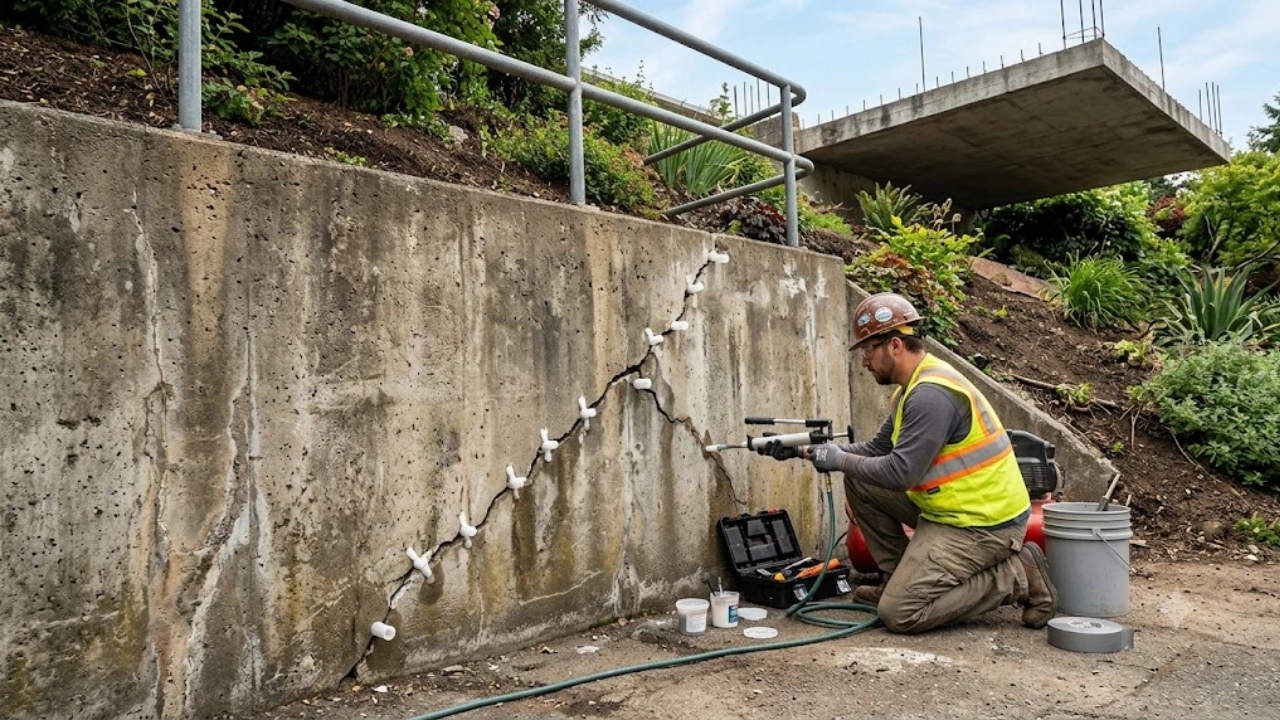
Cracks in concrete are a common concern for property owners, builders, strata managers, and facility managers across Sydney. While some cracks may appear minor at first, they can often indicate underlying issues that require attention. If left untreated, cracks can allow water ingress, accelerate concrete deterioration, and reduce the lifespan of critical structural elements.
Two areas where crack repairs are particularly important are retaining walls and suspended slabs. These structures are constantly exposed to loads, environmental conditions, and movement that can contribute to cracking over time.
This is why many engineers and remediation specialists recommend concrete crack injection in Sydney as an effective solution for restoring structural integrity and preventing further damage.
Why Cracks Develop in Retaining Walls and Suspended Slabs
Concrete is a durable construction material, but it is not immune to movement and environmental stress.
Retaining walls and suspended slabs face unique challenges throughout their service life.
Retaining walls must resist soil pressure, moisture buildup, and ground movement. Suspended slabs are designed to carry loads while spanning open spaces, making them susceptible to movement, vibration, and long term wear.
Common causes of cracking include:
- Ground settlement
- Water pressure behind retaining walls
- Concrete shrinkage
- Structural movement
- Thermal expansion and contraction
- Excessive loading
- Age related deterioration
While not every crack is structurally significant, professional assessment is essential to determine the cause and appropriate repair method.
Why Cracks Should Never Be Ignored?
One of the biggest mistakes property owners make is assuming a crack is purely cosmetic.
Even small cracks can create pathways for water and contaminants to enter the concrete.
Once moisture reaches internal reinforcement, the risk of corrosion increases. Over time, this can lead to:
Potential Issue | Impact on Structure |
|---|---|
Water ingress | Internal deterioration |
Reinforcement corrosion | Reduced structural capacity |
Concrete spalling | Safety concerns |
Mould growth | Property damage |
Increased repair costs | Long term financial impact |
Addressing cracks early is almost always more cost effective than dealing with advanced deterioration later.
What Is Concrete Crack Injection?
Concrete crack injection is a specialised repair technique used to seal and restore cracked concrete elements.
The process involves injecting specialised materials into the crack under controlled pressure. These materials penetrate deep into the crack and bond with the surrounding concrete.
Depending on the nature of the crack, engineers may specify:
- Epoxy injection
- Polyurethane injection
Each material serves a different purpose based on structural requirements and moisture conditions.
Epoxy systems are commonly used where structural bonding is required, while polyurethane systems are often used to stop active water ingress.
Why Retaining Walls Benefit from Crack Injection
Retaining walls are particularly vulnerable to moisture related issues.
As soil retains water behind the wall, hydrostatic pressure builds over time. This pressure can force water through even very small cracks.
Once water begins penetrating the wall, several problems can develop.
Increased Moisture Exposure
Water entering through cracks can accelerate deterioration within the concrete.
Reinforcement Corrosion
Moisture reaching embedded steel reinforcement increases the likelihood of corrosion.
Structural Weakening
Over time, ongoing water ingress can compromise the wall’s ability to perform as intended.
Property Damage
Leaking retaining walls can affect surrounding landscaping, pavements, and adjacent structures.
Crack injection helps seal these pathways and prevent further moisture penetration.
Why Suspended Slabs Require Prompt Crack Repairs
Suspended slabs are common throughout Sydney’s residential, commercial, and industrial buildings.
These structural elements support significant loads and often contain reinforcement or post tension systems.
Cracks in suspended slabs should always be assessed carefully.
Potential concerns include:
- Water penetration
- Reduced durability
- Corrosion of reinforcement
- Damage to finishes below
- Increased maintenance requirements
Prompt repairs help maintain the long term performance of the slab and reduce future remediation costs.
The Role of Water in Concrete Deterioration
Water is often one of the biggest contributors to concrete damage.
When water enters cracks, it creates conditions that support:
- Reinforcement corrosion
- Concrete degradation
- Efflorescence
- Internal deterioration
In Sydney’s varying climate conditions, repeated wet and dry cycles can further accelerate the deterioration process.
Stopping water at the source is often one of the primary objectives of crack injection repairs.
PRO TIP
Not all cracks require the same repair approach. The cause, location, width, and activity of the crack should always be assessed before selecting a repair method. Treating the symptom without identifying the cause may result in recurring issues.
Why Crack Injection Is Often Preferred Over Surface Repairs
Many property owners attempt temporary repairs using surface sealants or patching compounds.
While these products may improve appearance, they often fail to address the full depth of the crack.
Crack injection offers several advantages:
Surface Repair | Crack Injection |
|---|---|
Treats visible surface only | Penetrates full crack depth |
Often temporary | Long lasting repair solution |
Limited structural benefit | Can restore structural continuity |
May allow hidden moisture entry | Seals internal pathways |
This makes injection repairs particularly effective for retaining walls and suspended slabs.
Signs That a Professional Assessment May Be Required
Certain warning signs indicate that further investigation may be necessary.
These include:
- Cracks that continue to grow
- Water leaking through concrete
- Rust staining
- Concrete spalling
- Damp areas near retaining walls
- Cracks appearing in multiple locations
Professional assessment helps determine whether the cracks are stable or whether ongoing movement is occurring.
Industry Trends Supporting Early Intervention
Across Australia, building owners are increasingly adopting preventative maintenance strategies rather than waiting for major defects to develop.
Industry studies consistently show that early remediation can significantly reduce lifecycle maintenance costs.
Research within the construction and asset management sector suggests that addressing defects during their early stages can reduce long term repair expenditure by as much as 60 per cent compared with major structural remediation works completed after significant deterioration has occurred.
This highlights the value of acting quickly when cracks are first identified.
THINGS TO REMEMBER
- Not all cracks are cosmetic.
- Water ingress often begins through small cracks.
- Retaining walls face constant moisture pressure.
- Suspended slabs require ongoing structural protection.
- Early repairs generally cost less than major remediation works.
- Professional assessment helps identify the most suitable repair method.
- Crack injection can help restore durability and extend structural lifespan.
Protect Your Concrete Structures Before Damage Escalates
Cracks in retaining walls and suspended slabs should never be ignored. What begins as a small defect can develop into a much larger and more expensive problem if moisture and contaminants continue to enter the structure.
Timely repairs can help maintain structural integrity, prevent water ingress, and reduce future maintenance costs.
Need Expert Advice on Concrete Crack Repairs?
At Concrete Engineering Solutions, we provide professional assessment and remediation services for residential, commercial, strata, and industrial properties across Sydney. Our team identifies the root cause of cracking and recommends practical repair solutions tailored to each structure.
If you have noticed cracks, water ingress, or signs of concrete deterioration, contact Concrete Engineering Solutions today to discuss your project and protect the long term performance of your structure.