
Concrete Engineering Solutions
Why Waterproofing Failures Lead to Structural Damage in Sydney Buildings?
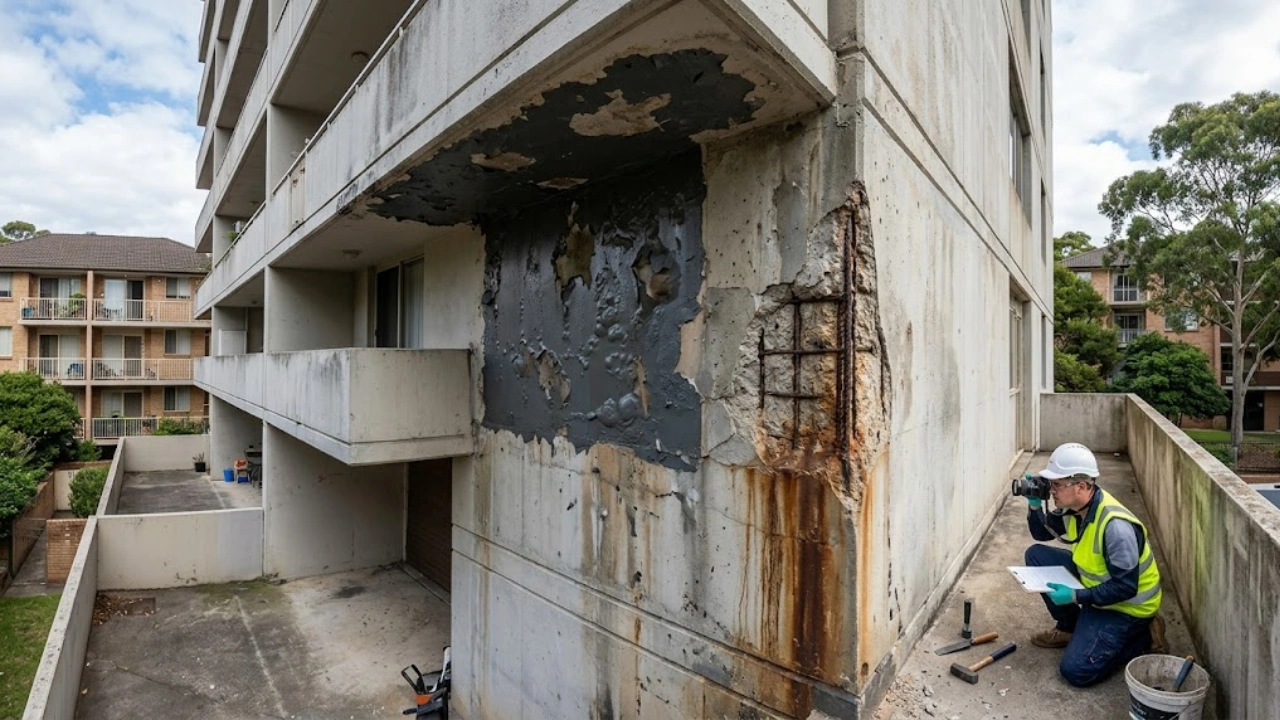
Waterproofing is often seen as a finishing layer. In reality, it plays a critical role in protecting the structure itself.
When waterproofing fails, the damage is not limited to surface finishes. Water begins to move into the structure, affecting concrete, reinforcement and long term performance.
Across Sydney, this is a common issue. Many buildings show early signs of waterproofing failure long before structural damage becomes obvious. By the time visible damage appears, deterioration is often already underway.
When you understand, how waterproofing failure leads to structural damage helps property owners act early and avoid major repair work.
How Waterproofing Protects Concrete Structures?
Concrete may look solid, but it contains microscopic pores. These pores allow moisture to move through the material over time.
Waterproofing acts as a barrier. It prevents water from entering critical areas such as slabs, walls and joints.
When this barrier is intact, the structure remains protected. When it fails, moisture begins to penetrate and interact with internal components.
The most important of these components is reinforcement steel.
What Happens When Waterproofing Fails?
Once water enters a concrete structure, it does not remain harmless.
It begins a chain of events that leads to deterioration.
Moisture reaches the reinforcement and starts the corrosion process. Corrosion causes steel to expand. This expansion creates internal pressure within the concrete.
Over time, this pressure leads to cracking and surface breakdown.
The process typically follows this pattern:
- Moisture enters through failed waterproofing
- Water reaches reinforcement
- Corrosion begins
- Expansion causes cracking
- Concrete starts to break away
This progression may take time, but it is continuous unless stopped.
Why Sydney Buildings are More Exposed?
Local conditions in Sydney make waterproofing performance even more important.
Frequent rainfall creates ongoing moisture exposure. In some areas, groundwater pressure affects basements and underground structures. Coastal environments introduce salt, which accelerates corrosion.
Older buildings may also have waterproofing systems that no longer perform as intended.
These factors mean that even small failures can lead to long term structural issues if not addressed.
Common Areas Where Failures Occur
Waterproofing problems are often found in specific parts of a building.
These include:
- Balconies and terraces
- Podium slabs
- Basement walls
- Retaining walls
- Roof slabs
- Wet areas
These locations are exposed to water regularly, making them more vulnerable to failure.
Early Signs of Waterproofing Failure
Early detection can prevent structural damage.
Look for the following signs:
- Damp patches or staining
- White deposits on concrete surfaces
- Paint or coating failure
- Persistent moisture smell
- Cracking near wet areas
These signs indicate that water may already be entering the structure.
Waterproofing Failure vs Structural Impact
Stage | What You See | What Is Happening Internally |
|---|---|---|
Early stage | Dampness or staining | Moisture entering concrete |
Intermediate stage | Cracks and surface damage | Corrosion begins |
Advanced stage | Spalling and exposed steel | Structural capacity affected |
This table shows how surface symptoms relate to deeper structural issues.
Why Surface Fixes are Not Enough?
Many waterproofing problems are treated at the surface level.
Applying a new coating or sealant may improve appearance, but it does not always address the source of water entry.
If moisture is already within the structure, it continues to affect reinforcement and concrete.
Lasting repair requires identifying where water is entering and stopping it at that point.
PRO TIP
If moisture returns after waterproofing repair, the source has not been properly addressed. Reapplying surface treatments alone will not solve the problem.
The Role of Proper Assessment
Before carrying out any repair, it is important to understand the extent of damage.
Assessment helps determine:
- How far moisture has travelled
- Whether reinforcement is affected
- Whether cracks are present
- The condition of existing waterproofing
This information guides the repair process and ensures that the correct solution is applied.
Long Term Impact of Ignoring Waterproofing Issues
Ignoring waterproofing problems does not stop deterioration.
Over time, the damage spreads. What begins as a localised issue can affect larger areas of the structure.
This leads to:
- Increased repair scope
- Higher cost
- Reduced structural performance
- Safety concerns
Early action is always more effective.
When to Take Action?
If signs of moisture or leakage are visible, it is already time to act.
Delaying repair allows the problem to develop further. Addressing the issue early limits damage and reduces cost.
In many cases, proper concrete waterproofing in Sydney combined with targeted repair can restore protection and extend the life of the structure.
How to Prevent Future Failures?
Preventing waterproofing failure involves regular inspection and timely repair.
Key steps include:
- Monitoring high risk areas
- Addressing cracks early
- Maintaining drainage systems
- Repairing damaged coatings
- Investigating recurring moisture
These actions help maintain the integrity of the waterproofing system.
If your building is showing signs of waterproofing failure, early action can prevent serious structural damage.
Concrete Engineering Solutions provides expert assessment and repair services across Sydney for residential, commercial and industrial properties.
Speak with our team today to identify the source of the issue and protect your structure before the damage spreads.
Frequently Asked Questions
How does waterproofing failure affect concrete?
It allows moisture to enter the structure, which can lead to reinforcement corrosion and cracking over time.
Is waterproofing only a surface issue?
No. While it appears on the surface, its failure affects internal structural components.
Can waterproofing damage be repaired?
Yes, but it requires proper assessment to identify the source and extent of the problem.
How quickly should waterproofing issues be fixed?
As soon as signs appear. Delaying repair increases damage and cost.
Are all damp areas caused by waterproofing failure?
Not always, but persistent dampness should always be investigated to rule out structural impact.