
Concrete Engineering Solutions
When Concrete Resurfacing is Smarter Than Replacement
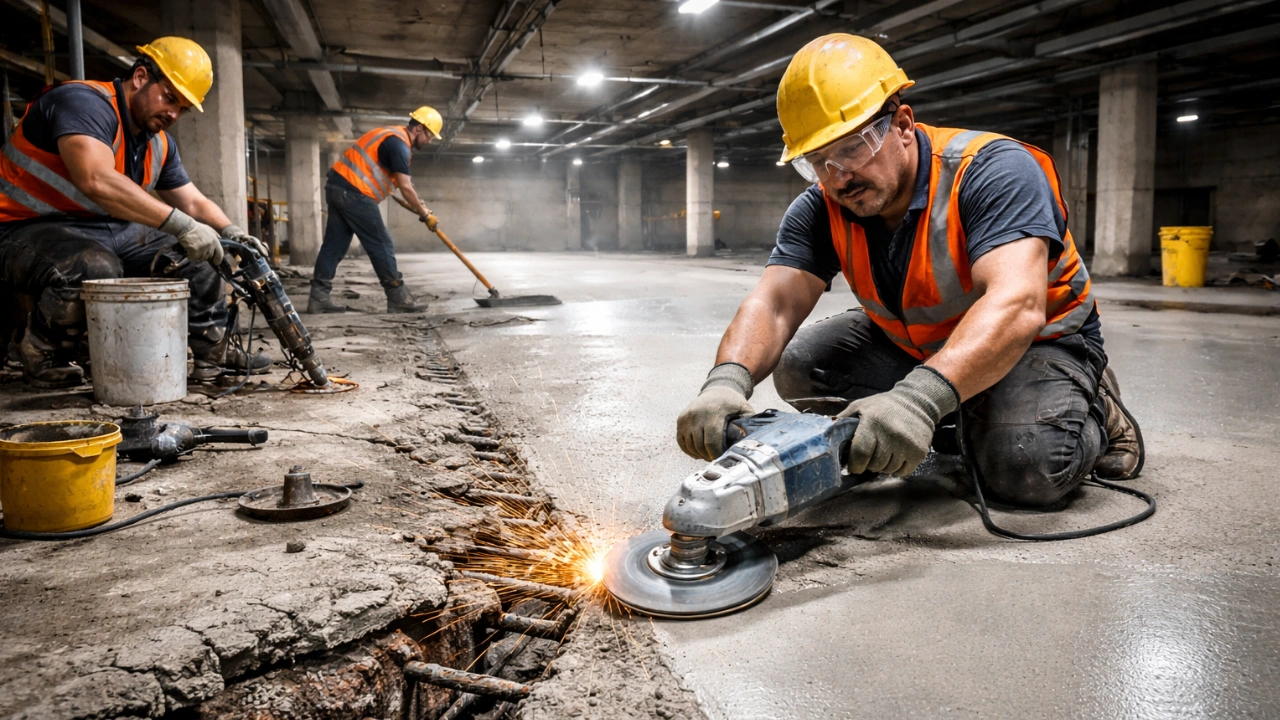
Concrete deterioration is a common challenge across Sydney’s commercial, industrial and civil assets. Cracked, worn or spalled concrete surfaces are often assumed to require full demolition and replacement. In reality, that approach is not always necessary or technically justified.
When assessed correctly, concrete resurfacing can be a smarter, more efficient solution that restores performance, extends service life and avoids unnecessary cost and disruption.
The key is understanding when resurfacing is appropriate, and when replacement is unavoidable.
Why Concrete Surfaces Deteriorate Over Time
Concrete surface damage rarely occurs without a cause. In Sydney’s built environment, common contributors include:
- Environmental exposure (moisture ingress, carbonation, chlorides)
- Mechanical wear from traffic or equipment
- Construction defects such as inadequate cover or poor compaction
- Movement or settlement causing surface cracking
- Ageing of older structures built to earlier standards
Surface symptoms may appear cosmetic at first, but they can also be early indicators of deeper structural or durability issues.
Replacement is Not Always the Best Engineering Solution
Full concrete replacement is disruptive, expensive and often unnecessary. Demolition introduces risks such as:
- Extended downtime for occupied sites
- Noise, dust and access limitations
- Increased waste and disposal requirements
- Potential disturbance of embedded services or reinforcement
From an engineering perspective, replacement should only be considered when the structural integrity of the concrete element has been compromised beyond repair.
In many cases, the damage is limited to the surface zone, making resurfacing a viable and responsible alternative.
When Concrete Resurfacing is the Smarter Option
Concrete resurfacing is most effective when the underlying structure remains sound and capable of carrying design loads.
Typical situations where resurfacing is appropriate include:
- Surface cracking without structural distress
- Localised spalling or delamination
- Wear to industrial floors or car parks
- Surface deterioration due to environmental exposure
- Aesthetic degradation affecting usability or safety
In these cases, resurfacing restores surface performance while retaining the existing structural element.
The Importance of Engineering Assessment First
Before any resurfacing is specified, it is critical to understand why the surface has failed.
A structural engineering investigation helps determine whether deterioration is superficial or symptomatic of a deeper issue. This assessment may consider:
- Crack type, orientation and movement
- Evidence of corrosion or moisture ingress
- Load history and usage changes
- Slab thickness, reinforcement layout and cover
- Existing repairs or alterations
Without this step, resurfacing may only mask the problem, leading to premature failure and higher long-term costs.
Addressing Cracks Before Resurfacing
Cracks are one of the most common surface defects encountered on Sydney sites. However, not all cracks are equal.
Before resurfacing, cracks must be properly assessed and treated. Where cracks indicate movement or loss of structural continuity, concrete crack injection may be required to restore integrity and prevent recurrence.
Resurfacing without addressing underlying cracks can result in:
- Reflective cracking through the new surface
- Loss of bond or delamination
- Continued moisture ingress
- Reduced service life of the repair
Proper crack treatment ensures resurfacing delivers durable outcomes, not temporary improvements.
Performance Benefits of Concrete Resurfacing
When correctly designed and executed, resurfacing delivers several practical advantages:
- Extends the service life of existing concrete
- Improves surface durability and abrasion resistance
- Restores slip resistance and safety
- Improves aesthetics and usability
- Reduces environmental impact compared to replacement
For asset owners and facility managers, resurfacing often aligns better with lifecycle cost management and sustainability objectives.
Sydney-Specific Considerations
Sydney’s construction and asset environment presents unique challenges that influence repair decisions:
- Coastal exposure and chloride environments
- High usage of post-tensioned slabs
- Older building stock with limited documentation
- Ongoing occupation of commercial facilities
In these contexts, non-invasive solutions such as resurfacing are often preferred, provided structural performance is not compromised.
This is why concrete resurfacing in Sydney is increasingly specified as part of broader asset maintenance and remediation strategies.
When Replacement is the Correct Decision
Despite its advantages, resurfacing is not suitable in all situations. Replacement is typically required when:
- Structural capacity has been significantly reduced
- Reinforcement corrosion is advanced and widespread
- Ongoing movement or settlement cannot be stabilised
- Fire or impact damage has compromised the concrete core
- The element no longer meets functional or compliance requirements
In these cases, resurfacing would be a short-term fix that fails to address the root cause.
Answering Common Questions
Is concrete resurfacing just a cosmetic fix?
No. When correctly assessed and specified, resurfacing restores surface performance and durability, not just appearance.
Can resurfacing be used on structural slabs?
Yes, provided the slab is structurally sound and any underlying issues are addressed first.
How long does resurfacing last?
Service life depends on preparation, materials and exposure conditions, but properly executed resurfacing can last many years.
Is resurfacing cheaper than replacement?
In most cases, yes – particularly when downtime, disposal and programme impacts are considered.
Making the Right Decision
The decision between resurfacing and replacement should never be based solely on cost. It should be informed by:
- Structural condition
- Cause of deterioration
- Intended future use
- Compliance requirements
- Whole-of-life performance
When supported by proper investigation and repair sequencing, resurfacing is often the smarter engineering solution.
Summary
Concrete resurfacing is not a shortcut; it is a legitimate, technically sound repair method when used in the right circumstances. Across Sydney’s commercial and industrial landscape, it offers a balanced approach that restores performance without unnecessary disruption.
The key is correct diagnosis, appropriate preparation and engineering oversight. When those elements align, resurfacing delivers durable, cost-effective and responsible outcomes.